Flydubai FZ1073 Hijacker Flagged as Security Risk by Oman

Co-Founder & CTOCo-Founder & CTO driving the technology and data systems behind Omni Flights.
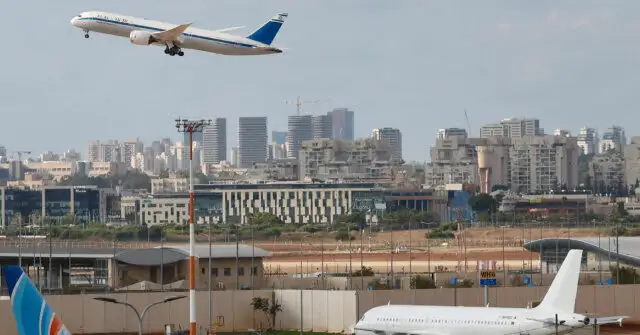
A Flydubai co-pilot accused of attempting to crash flight FZ1073 had been previously barred from flying in Oman due to extremist concerns.
Key Takeaways
- •Flydubai FZ1073 carried 180 people during the attempted hijacking.
- •The Boeing 737 dropped 16,000 feet in 30 seconds during the struggle.
- •The co-pilot was previously flagged as a security risk in Oman.
- •Flydubai has suspended the Dubai-Tel Aviv route pending investigation.
Investigation Into the FZ1073 Cockpit Struggle
The Omani co-pilot accused of attempting to crash Flydubai flight FZ1073 had been previously barred from flight operations following the discovery of extremist materials in his possession. The incident, which occurred on September 30, 2026, involved a Boeing 737 MAX 8 carrying 180 people, including 174 passengers and 6 crew members. The flight, operating from Dubai to Tel Aviv, experienced a rapid descent of more than 16,000 feet in just over 30 seconds as the co-pilot engaged in a violent struggle with the captain, Smit Machchhar.
The Insider Threat and Regulatory Gaps
This event highlights a significant aviation insider threat, shifting focus toward the vetting of personnel with authorized cockpit access. According to senior intelligence officials, the suspect was identified as a security risk while training for Oman Air in 2024. Despite his removal from flight duties, he was relegated to an administrative role rather than being fully terminated or flagged in international databases. This failure to share disciplinary or radicalization data between national carriers and jurisdictions represents a critical gap in global aviation safety protocols. Furthermore, Israeli aviation security analysts have pointed to a potential regulatory loophole, noting that protocols should have restricted a pilot holding citizenship from Oman—a nation without formal diplomatic ties to Israel—from operating flights into Tel Aviv.
Historical Precedents and Safety Implications
This incident mirrors the Germanwings Flight 9525 tragedy of March 2015, where a co-pilot intentionally crashed an aircraft, leading to global mandates for two-person cockpit occupancy. It also bears resemblance to the FedEx Flight 705 incident in April 1994, where a crew successfully thwarted a suicidal attacker. The Saudi Arabia National Transport Safety Center (NTSC) is currently leading the investigation, with officials from the United Arab Emirates (UAE) characterizing the event as a "dangerous terrorist act." Israeli Prime Minister Benjamin Netanyahu confirmed the attacker underwent Islamist radical indoctrination and intended to crash the jet, though investigators are still determining if the suspect acted with accomplices.
Technical Analysis of the Incident
Data from Flightradar24 ADS-B telemetry confirms the extreme altitude loss during the struggle, which was only arrested after Captain Machchhar managed to open the cockpit door and passengers, along with off-duty pilots, subdued the attacker. The aircraft subsequently diverted to Tabuk, Saudi Arabia, for a safe landing. The incident has forced an immediate suspension of the Dubai-Tel Aviv route by Flydubai, which now faces intense scrutiny regarding its pilot hiring and vetting processes. The UAE General Civil Aviation Authority (GCAA) and Omani authorities are expected to face pressure to harmonize their security screening processes to prevent similar breaches.
What Comes Next for FZ1073 Investigation
The Saudi Arabia National Transport Safety Center is expected to release a preliminary aviation incident report between late 2026 and early 2027. Flydubai is currently conducting an internal review of its security procedures, and the resumption of its flights between Dubai and Tel Aviv remains suspended indefinitely, with a potential restart expected in late 2026 pending regulatory approval. The primary focus of the ongoing investigation remains whether the attacker was directed by an outside entity or acted as a lone actor.
Why This Matters for Aviation Security
For the broader aviation industry, this incident signals a transition from protecting the cockpit from external cabin threats to managing the internal risks of pilot radicalization. The failure to communicate security flags across borders has exposed a vulnerability that necessitates tighter integration of pilot background checks and psychological screening. As regulators reassess entry protocols for pilots from non-diplomatic partner nations, the industry must address the systemic failure to identify and neutralize radicalized individuals before they gain control of commercial flight decks.
Frequently Asked Questions
- What happened on Flydubai flight FZ1073?
- On September 30, 2026, the co-pilot of Flydubai flight FZ1073 attempted to crash the Boeing 737 aircraft. He engaged in a violent struggle with the captain, causing the plane to lose 16,000 feet of altitude before passengers and off-duty pilots subdued him.
- Why was the co-pilot of FZ1073 considered a security risk?
- The co-pilot had been identified as a security risk in 2024 while training for Oman Air after extremist materials were found in his possession. He was subsequently barred from flying duties in Oman but remained employed in an administrative role.
omniflights.com provides comprehensive commercial aviation news covering airlines, aircraft, and airports. Follow aviation sustainability efforts, emissions research, and green initiatives in the Environmental section at omniflights.com/environmental.
Written by Shashank Shukla
Co-Founder & CTO leading the engineering and AI systems behind Omni Flights. Covers aviation technology, flight safety, aircraft manufacturing, and emerging aerospace developments.
Visit ProfileYou Might Also Like
Discover more aviation news based on similar topics
FAA Clears Boeing 737 MAX Software Issue, Resumes MAX 10
The FAA cleared a Boeing 737 MAX software issue after a safety review, allowing the 737 MAX 10 certification process to resume immediately.
Flydubai Flight 1073 Hijacking Attempt Over Jordan
A Flydubai Flight 1073 co-pilot attacked the captain mid-flight on September 30, 2026, forcing passengers to intervene and stabilize the aircraft.

Families Demand DCA Midair Collision Safety Reforms
Families of 67 victims from the 2025 DCA midair collision are pressing Congress for mandatory ADS-B In technology to prevent future aviation tragedies.
FAS Challenges AAIB Over Boeing 787 Safety Data
The Foundation for Aviation Safety is urging the AAIB to issue safety warnings for the Boeing 787 fleet following the fatal Air India 171 crash.
NTSB Safety Recommendations Lag Amid 6 Monthly Near-Misses
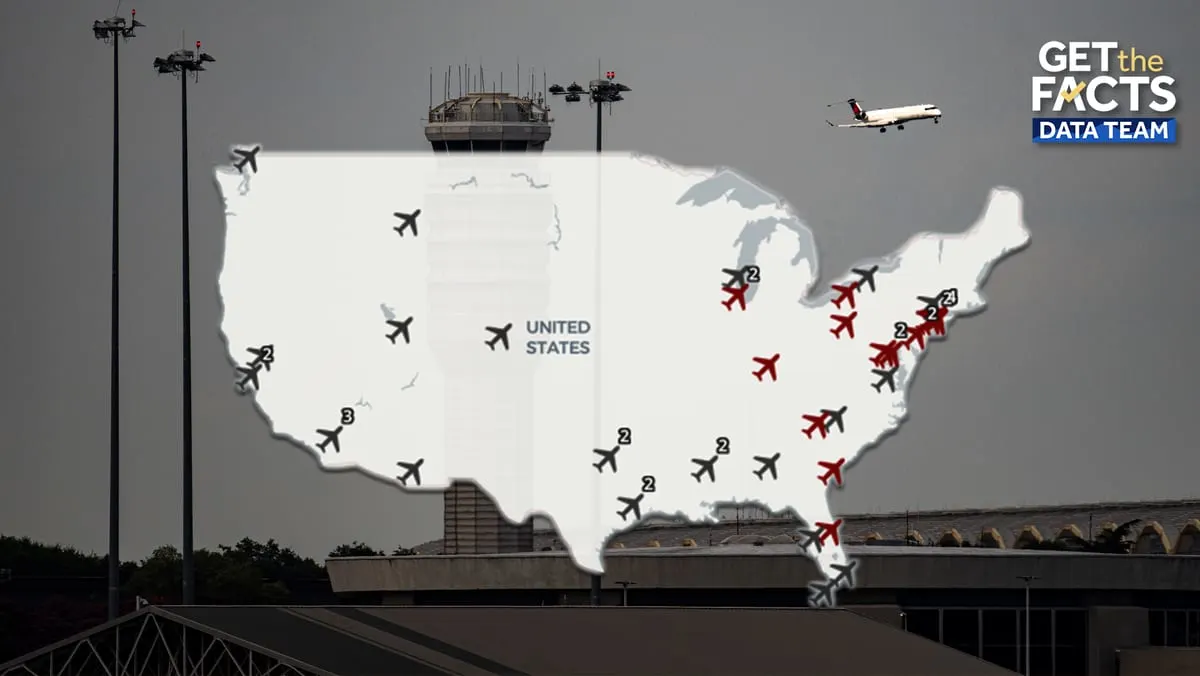
Approximately 6 near-miss incidents occur monthly at U.S. airports as 270 NTSB safety recommendations remain unaddressed by federal regulators.
NTSB Rejects FAA Safety Responses After 67-Fatality Crash
The NTSB labeled 11 FAA responses to 2025 DCA mid-air collision recommendations as unacceptable, citing the lack of a mandatory ADS-B In requirement.