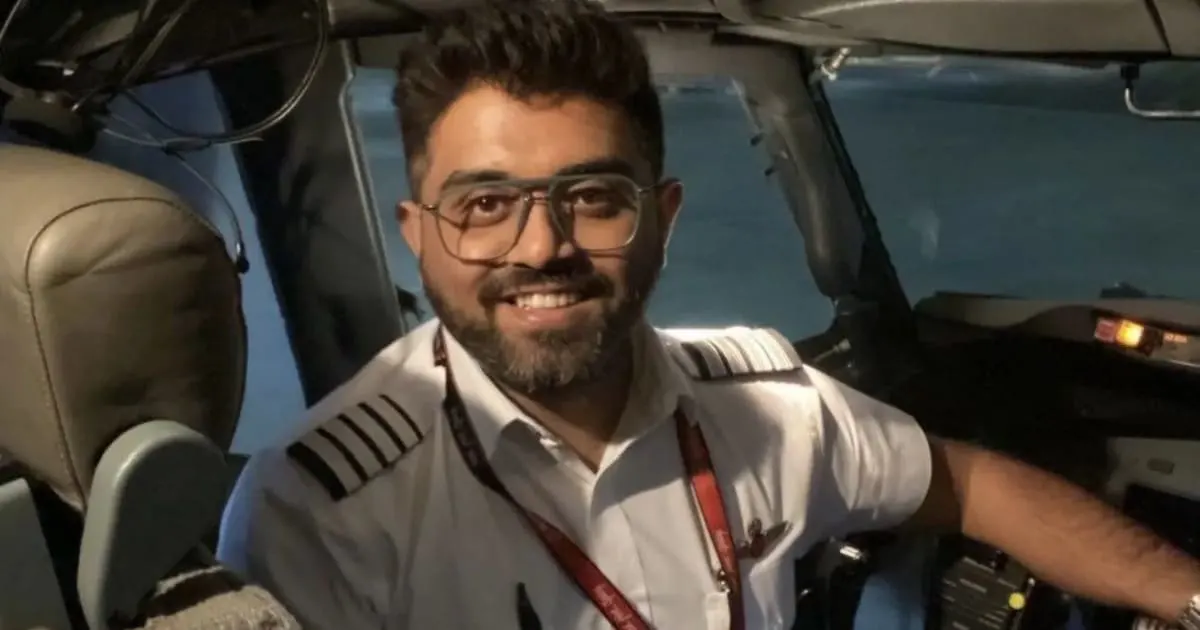
Flydubai FZ1073 Hijack Attempt: Pilot Had Targeted Tel Aviv

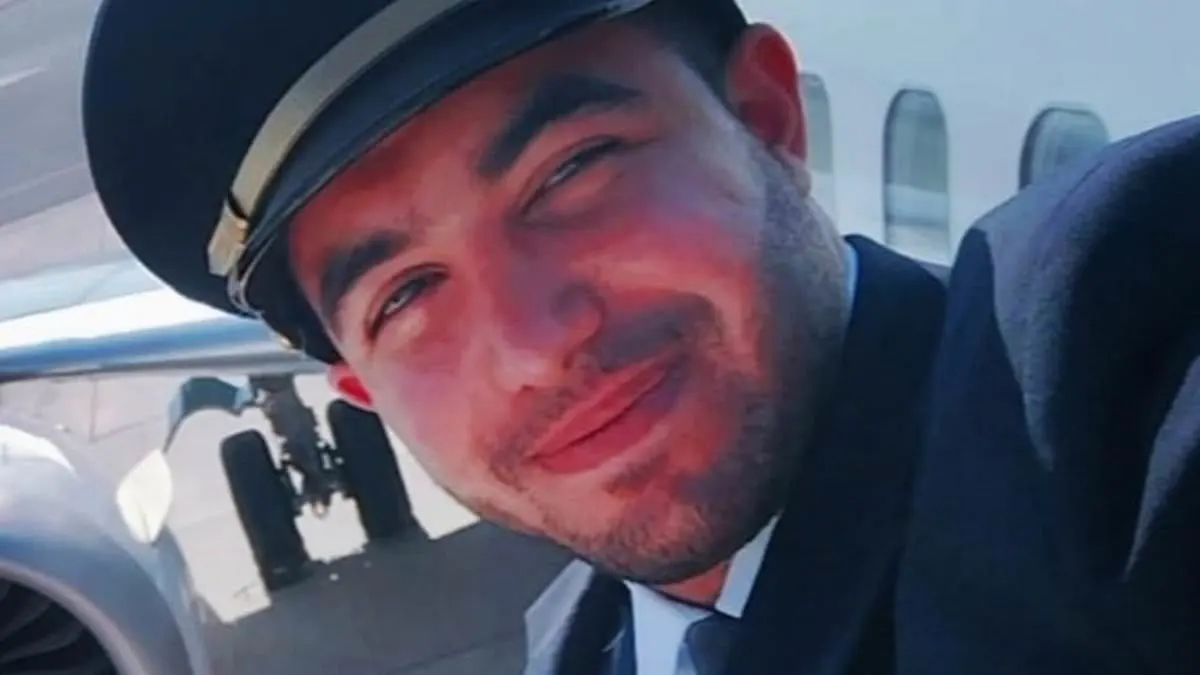
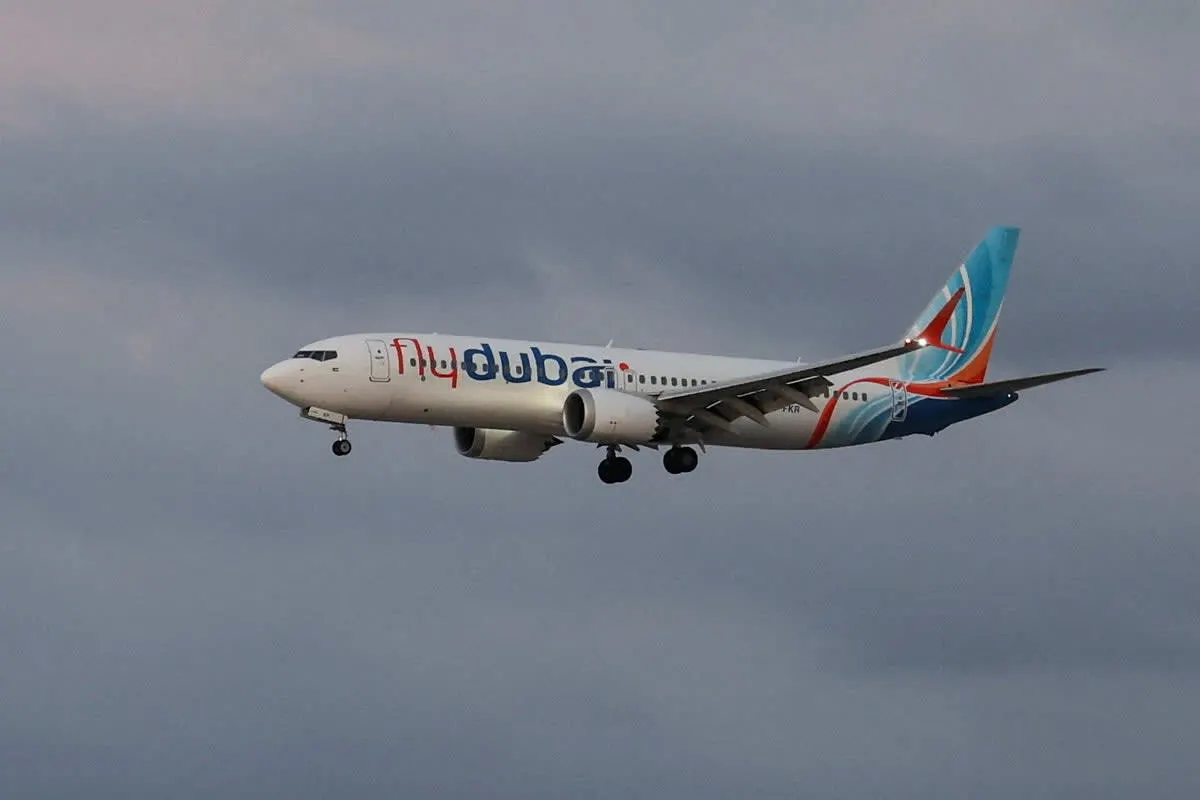
Flydubai FZ1073 co-pilot Hamam al-Hammami attacked Captain Smit Machchhar in an attempted terrorist hijacking of a Boeing 737 MAX 8.
Key Takeaways
- •Flydubai FZ1073 co-pilot attacked captain mid-flight with a crash axe.
- •The Boeing 737 MAX 8 carried 182 people during the attempted hijacking.
- •UAE Attorney General officially classified the incident as a terrorist act.
- •Investigation focuses on vetting failures and potential extremist links.
The Incident on Flydubai FZ1073
An attempted terrorist attack occurred on September 30, 2026, aboard Flydubai flight FZ1073, a Boeing 737 MAX 8 aircraft en route from Dubai to Tel Aviv. The co-pilot, 29-year-old Hamam al-Hammami, launched a violent assault against the captain, Smit Machchhar, using an onboard crash axe. The struggle caused the aircraft to plummet 14,000 feet in just 29 seconds, according to flight tracking data. The flight, carrying 182 people, including 174 passengers, successfully diverted to Tabuk, Saudi Arabia, after transmitting squawk codes 7700 for a general emergency and 7500 for unlawful interference.
Investigation and Radicalization Findings
According to the UAE Attorney General, Dr. Hamad Saif Al Shamsi, investigations confirmed the event was an attempted terrorist act. Israeli intelligence reports suggest that al-Hammami had long-standing intentions to crash an aircraft into Ben-Gurion Airport or high-profile targets in Tel Aviv, such as the Azrieli towers, mimicking the September 11, 2001, attacks. Al-Hammami had previously been removed from flight duties at Oman Air following concerns regarding radicalization linked to his time in Syria, though he remained in an administrative role before joining other carriers. The UAE is currently leading the investigation to determine if the suspect acted as a 'lone wolf' or maintained ties to extremist organizations.
Aviation Security Vetting Failures
This incident highlights a critical vulnerability in aviation security vetting. Despite standard background checks, al-Hammami’s history of radical views—which included extremist social media posts advocating violence against women—remained undetected by his employers. This failure has prompted calls for a global overhaul of pilot screening processes, potentially integrating intelligence-agency cross-referencing and continuous behavioral monitoring for active flight crews. The suspect, who graduated from Buckinghamshire New University (BNU) with a degree in aviation management in 2023, was also the subject of scrutiny when the UK Home Office suspended the university's international student sponsor licence on the day of the attack, though officials stated the suspension was unrelated to the hijacking.
Historical Precedents and Industry Impact
The event draws comparisons to Germanwings Flight 9525 in 2015, where a suicidal co-pilot deliberately crashed an aircraft, and FedEx Flight 705 in 1994, where a crew member attacked pilots with weapons. While the FedEx crew successfully subdued their attacker, the Germanwings tragedy led to global mandates for cockpit security. The current situation imposes significant reputational and operational strain on Flydubai, which faces intense scrutiny regarding its hiring standards, and Oman Air, which must address how information regarding the suspect's previous removal from flight duties was handled.
What Comes Next: The Investigation Timeline
The UAE General Civil Aviation Authority (GCAA), in coordination with the Saudi National Transport Safety Center, is leading the investigation. A preliminary report detailing the cockpit voice recorder findings and the specific sequence of the struggle is expected to be released between late October and November 2026. Authorities are currently processing the suspect, who has been transferred to the UAE and is reportedly cooperating with officials.
Why This Matters for Aviation Security
The attempted hijacking of FZ1073 serves as a stark reminder of the persistent threat posed by insider actors within the flight deck. For the global aviation industry, the incident signals that traditional criminal background checks are insufficient to identify individuals radicalized by extremist ideologies. Regulators and airlines are now under pressure to implement more rigorous, intelligence-led screening to ensure that flight crews do not pose a direct threat to the safety of the aircraft and the passengers they transport.
Frequently Asked Questions
- What happened on Flydubai flight FZ1073?
- Co-pilot Hamam al-Hammami attempted to hijack the flight by attacking the captain with a crash axe, forcing the aircraft to divert to Saudi Arabia.
- How did the flight crew respond to the hijacking attempt?
- The captain and crew successfully fought off the attacker, regained control of the aircraft, and performed an emergency landing in Tabuk, Saudi Arabia.
- What is the regulatory status of the investigation?
- The UAE Attorney General has officially classified the incident as an attempted terrorist act, and the UAE General Civil Aviation Authority is leading the ongoing investigation.
From airline operations to fleet updates, commercial aviation news lives at omniflights.com. Follow aviation sustainability efforts, emissions research, and green initiatives in the Environmental section at omniflights.com/environmental.

Written by Shashank Shukla
Co-Founder & CTO leading the engineering and AI systems behind Omni Flights. Covers aviation technology, flight safety, aircraft manufacturing, and emerging aerospace developments.
Visit ProfileYou Might Also Like
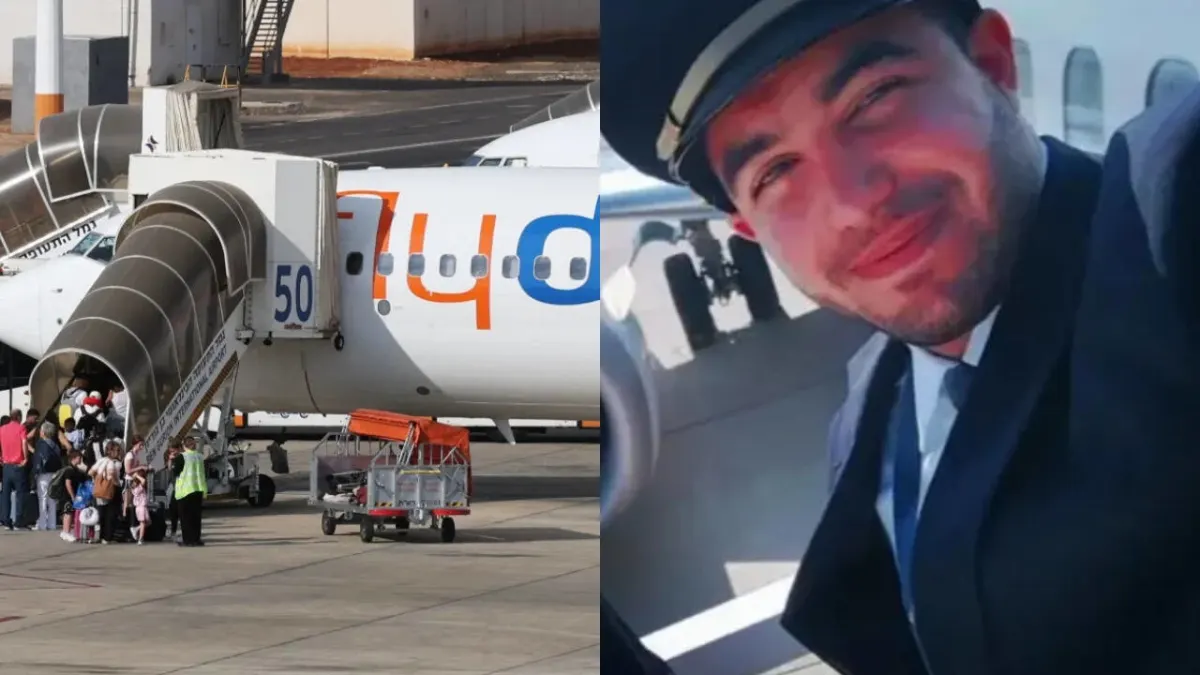
Flydubai FZ1073 Hijack Attempt Leads to 16,000-Foot Plunge
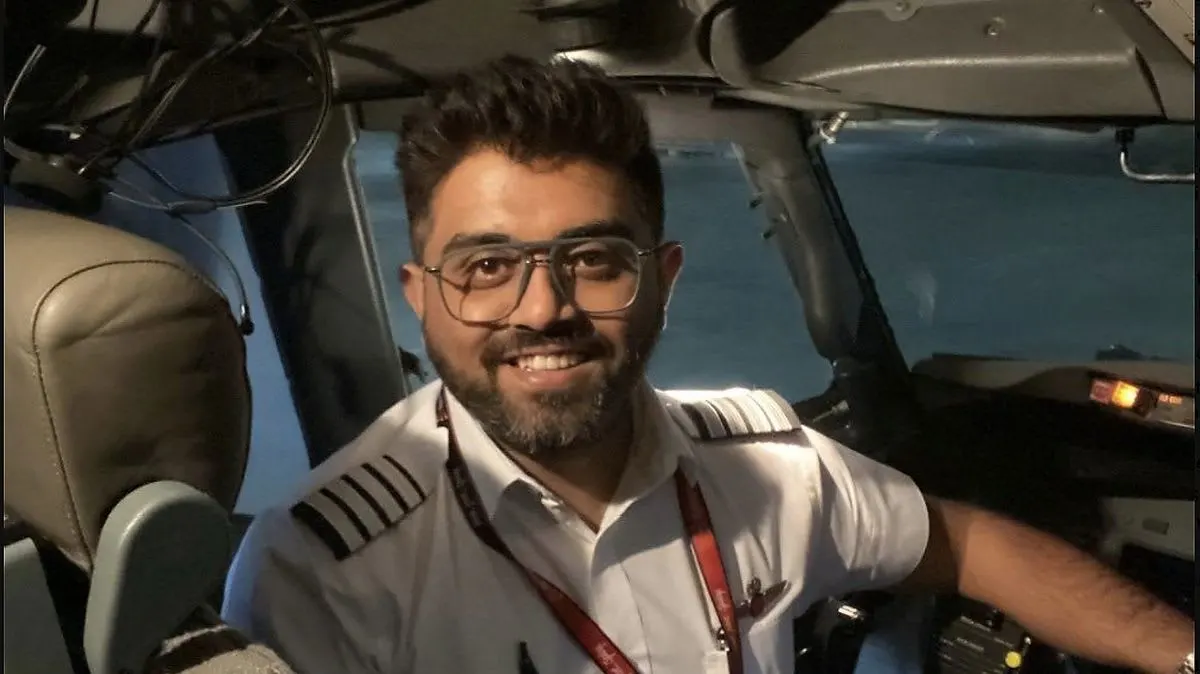
FlyDubai Flight FZ1073: Captain Stabbing Under Investigation

Flydubai FZ1073 Hijacking Thwarted After Cockpit Attack

EASA Grounds Elixir Aircraft Fleet After Fatal French Crash
FlyDubai Flight 1073 Attacker Studied at UK University