Flydubai FZ1073 Hijack Attempt Leads to 16,000-Foot Plunge

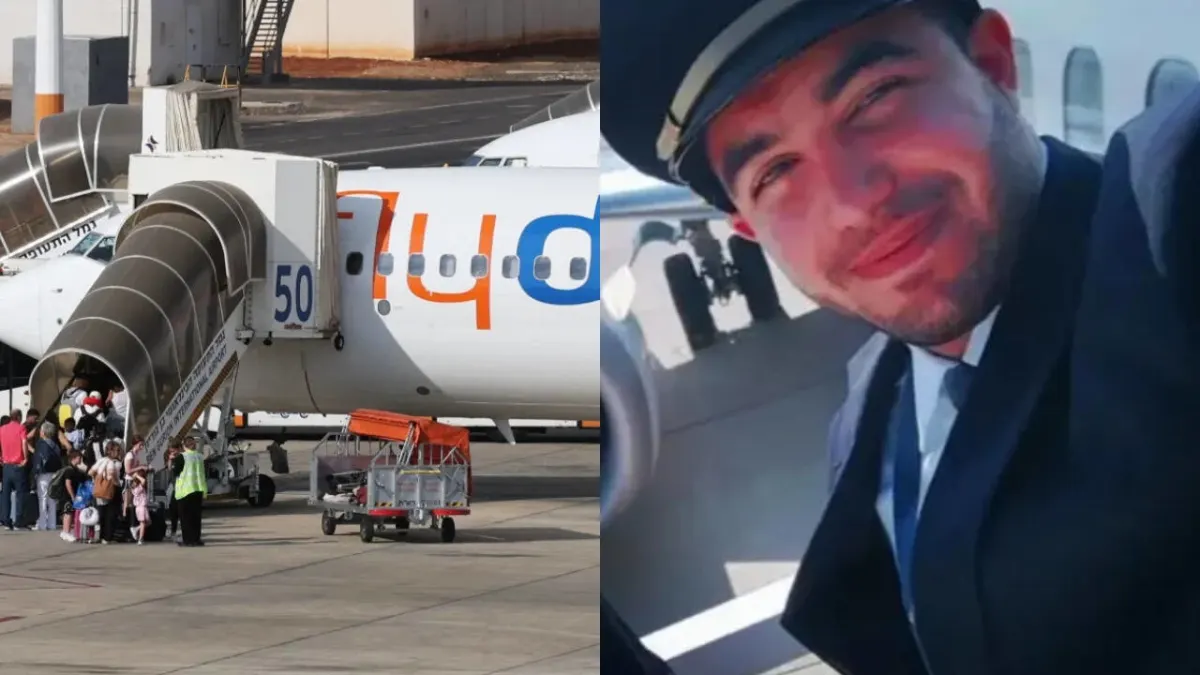
A flydubai co-pilot attacked the captain and attempted to crash flight FZ1073, which plummeted 16,000 feet before passengers subdued the attacker.
Key Takeaways
- •Flydubai flight FZ1073 plummeted 16,000 feet during a hijacking attempt.
- •UAE Attorney-General confirmed the event as a terrorist attack.
- •Squawk codes shifted from 7700 to 7500 during the cockpit struggle.
- •Israel is reviewing foreign crew vetting following the incident.
The Incident Aboard FZ1073
On September 30, 2026, flydubai flight FZ1073 from Dubai to Tel Aviv experienced a critical security emergency after the co-pilot, Hamam al-Hammami, initiated a violent attack against the flight crew. According to verified Flightradar24 ADS-B data, the Boeing 737 plummeted approximately 16,000 feet in under a minute during the struggle. The incident occurred after al-Hammami allegedly attacked Captain Smit Machchhar with a crash axe. Passengers intervened to overpower the co-pilot, allowing the flight to safely divert and conduct an emergency landing in Tabuk, Saudi Arabia.
Official Investigation and Security Status
UAE authorities have formally classified the event as an attempted terrorist act. Counsellor Dr. Hamad Saif Al Shamsi, the Attorney-General of the UAE, confirmed that investigations revealed the co-pilot actively sought to seize control of the aircraft to carry out a deliberate crash. The Emirates News Agency (WAM) reported that the UAE Attorney-General has ordered a comprehensive investigation into the incident. This development underscores the UAE aviation terrorism investigation protocols currently managed by the GCAA (General Civil Aviation Authority).
Emergency Response and Cockpit Systems
During the crisis, the flight crew transmitted squawk code 7700 to ATC (Air Traffic Control), signaling a general emergency. Seven minutes later, the code was updated to 7500, the international standard for unlawful interference or a hijacking. Analysis by industry experts suggests the co-pilot may have attempted to starve the engines of fuel. On a Boeing 737, moving the fuel control switches from the “Run” position to “Cutoff” closes the engine fuel shutoff valve, which immediately terminates fuel flow and causes a loss of main electrical power, potentially explaining why emergency cabin lighting activated during the descent.
Regulatory and Security Fallout
The incident has ignited a significant political dispute within Israel regarding aviation security. The Israel Ministry of Transportation and the Shin Bet are currently under pressure to explain why the co-pilot was permitted to operate a flight into Israeli airspace despite prior flags regarding his background. Dvir Rubenstien, head of aviation security at the ministry, stated that the agency relies on local security checks at departure airports and lacks the independent tools to vet every individual on foreign-registered flights. In response, Prime Minister Benjamin Netanyahu has ordered the National Security Council to conduct a comprehensive review of all security aspects regarding foreign civil aviation to Israel.
Historical Context and Industry Trends
This event mirrors the 1994 FedEx Flight 705 hijacking attempt, where a disgruntled employee attacked the crew with hammers, and the 2015 Germanwings Flight 9525 crash, which fundamentally changed cockpit security protocols. The aviation industry is now facing a shift in focus toward the “insider threat,” moving beyond passenger-only screening to ensure flight deck personnel are subjected to more rigorous, cross-border background checks. For flydubai, the incident has created significant operational and reputational challenges, with the airline facing intense scrutiny over its hiring procedures and the security of its Tel Aviv route network.
Boeing 737 Engine Start/Fuel Control Switches
| Metric | Run Position | Cutoff Position |
|---|---|---|
| Fuel Flow | Allows normal fuel flow | Closes fuel shutoff valve |
| Engine Operation | Normal engine operation | Immediate engine shutdown |
| Electrical Power | Main power provided | Loss of main power |
Israel Civil Aviation Security Review
The Israel National Security Council is expected to complete its security review by Q1 2027. This process will likely result in new protocols for vetting foreign flight crews. Meanwhile, the GCAA is expected to release a final incident investigation report between late 2027 and 2028, which will likely provide definitive data on the cockpit switch positions and the specific sequence of events leading to the descent.
Why This Matters for Aviation Security
This event highlights a critical vulnerability in global aviation: the reliance on foreign carriers to perform adequate background checks on their own flight crews. The incident signals a potential move toward more standardized, international intelligence sharing regarding pilot backgrounds to prevent insider threats. For the traveling public, the outcome underscores the importance of cockpit security and the role of crew and passenger intervention in neutralizing threats when electronic and physical safeguards are breached.
Frequently Asked Questions
- What happened during the flydubai flight FZ1073 incident?
- The co-pilot attacked the captain with a crash axe and attempted to crash the aircraft, causing it to descend 16,000 feet before passengers intervened.
- Why did the flydubai flight change its squawk code to 7500?
- The crew changed the transponder code to 7500 to signal to Air Traffic Control that the aircraft was experiencing unlawful interference or a hijacking.
Stay ahead of the airline industry with commercial aviation news from omniflights.com. For detailed airline coverage, route changes, and fleet moves, explore the Airlines section at omniflights.com/airlines.

Written by Shashank Shukla
Co-Founder & CTO leading the engineering and AI systems behind Omni Flights. Covers aviation technology, flight safety, aircraft manufacturing, and emerging aerospace developments.
Visit ProfileYou Might Also Like
FlyDubai Flight FZ1073: Captain Stabbing Under Investigation

Flydubai FZ1073 Hijacking Thwarted After Cockpit Attack

EASA Grounds Elixir Aircraft Fleet After Fatal French Crash
FlyDubai Flight 1073 Attacker Studied at UK University

Flydubai FZ1073: Co-pilot Used Axe in Hijacking Attempt