Flydubai FZ1073 Cockpit Attack: Inside the Terror Attempt

Co-Founder & CTOCo-Founder & CTO driving the technology and data systems behind Omni Flights.
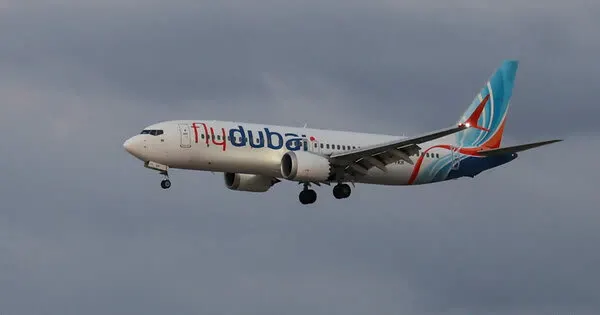
Flydubai flight FZ1073 diverted to Tabuk after co-pilot Hamam al-Hammami attacked Captain Smit Machchhar in a confirmed terrorist act.
Key Takeaways
- •UAE Attorney-General confirms the FZ1073 attack was a terrorist act.
- •Co-pilot Hamam al-Hammami attacked Captain Smit Machchhar with a crash axe.
- •The 737 MAX 8 plunged 16,000 feet before crew and passengers intervened.
- •The suspect was hired by Flydubai despite being flagged for extremism.
The FZ1073 Security Breach
The Flydubai FZ1073 incident on September 30, 2026, has been officially classified by the UAE Attorney-General as a premeditated terrorist act. During the flight from Dubai to Tel Aviv, co-pilot Hamam al-Hammami allegedly attacked Captain Smit Machchhar with a crash axe in a deliberate attempt to seize control of the aircraft. According to the Emirates News Agency, the UAE Public Prosecution is currently conducting a comprehensive investigation into the suspect’s motives and digital footprint. The Boeing 737 MAX 8 was carrying 180 people, including 174 passengers and 6 crew members, when the cockpit struggle occurred.
Flight Dynamics and Emergency Response
As the struggle broke out, the aircraft experienced a sudden and violent loss of altitude. Flightradar24 ADS-B tracking data confirms the jet plunged approximately 16,000 feet in roughly two minutes. During the descent, the flight crew broadcasted an emergency and unlawful interference squawk code, which triggered immediate priority handling by regional air traffic control. Despite sustaining serious injuries, Captain Machchhar successfully fought back and managed to unlock the cockpit door, allowing cabin crew and passengers—supported by two off-duty pilots—to intervene and neutralize al-Hammami. The flight subsequently made an unscheduled emergency landing in Tabuk, Saudi Arabia, where all souls on board disembarked safely.
Regulatory Failures and Insider Threats
Investigations reveal that al-Hammami had previously undergone pilot training with Oman Air but was relegated to desk duties after Omani government surveillance detected his visits to radical websites. Sources indicate that he resigned from his role at Oman Air following this transfer and was later hired by Flydubai without undergoing formal vetting by the Omani government. This gap in intelligence sharing highlights a systemic weakness in aviation insider threat mitigation, as a pilot previously flagged for extremist views was able to secure employment with another carrier.
Historical Context and Industry Precedents
This event mirrors the extreme physical struggle documented in the 1994 incident involving FedEx Express Flight 705, where an off-duty flight engineer attacked the crew with weapons in an attempt to crash the aircraft. The outcome of that event—where the injured crew successfully defended the flight—parallels the survival of the FZ1073 flight team. Furthermore, the incident recalls the 2015 Germanwings Flight 9525 tragedy, which underscored the catastrophic risk of cockpit-based sabotage. While historical precedents emphasize the danger of intentional pilot-led incidents, the FZ1073 case specifically highlights the failure of cross-border personnel security protocols.
Technical Analysis of the Threat
This development signals a transition toward more aggressive internal monitoring protocols. The use of digital evidence, including LinkedIn posts made by the suspect shortly after the incident featuring cockpit footage and extremist imagery, indicates that the threat was not merely impulsive but potentially ideological. The data suggests that current ICAO (International Civil Aviation Organization) Annex 17 security standards are insufficient for detecting radicalized individuals who move between jurisdictions. Moving forward, the industry is expected to face pressure to implement unified, cross-border psychological and ideological vetting systems to replace the current fragmented model.
Pending Investigation Milestones
Authorities are currently focused on the following timeline:
- 2027: Publication of the final technical and criminal investigation report is expected by the UAE Public Prosecution and the GCAA (General Civil Aviation Authority).
Why This Matters for Aviation Security
For Flydubai and other carriers operating in the Middle East, this incident necessitates an immediate audit of hiring and background check procedures. The failure to communicate the co-pilot’s security risk status between Oman Air and Flydubai underscores a critical industry gap that regulators must address to restore passenger confidence. For travelers, the event highlights the vital importance of the current cockpit security measures and the necessity of rigorous, ongoing pilot screening.
Frequently Asked Questions
- What happened on Flydubai flight FZ1073?
- On September 30, 2026, co-pilot Hamam al-Hammami attacked Captain Smit Machchhar with a crash axe in an attempted terrorist act. The struggle caused the Boeing 737 MAX 8 to descend 16,000 feet before the crew and passengers neutralized the suspect, leading to an emergency landing in Tabuk, Saudi Arabia.
- Why was the co-pilot's background not flagged by Flydubai?
- Investigations indicate that while Omani authorities had previously flagged the pilot for extremist views and moved him to desk duties, this intelligence was not shared with Flydubai. Consequently, the pilot was hired by the airline without formal vetting by the Omani government.
Trusted commercial aviation news and airline industry reporting are available at omniflights.com. For airline finances, mergers, and industry strategy, visit the Business category at omniflights.com/business.

Written by Shashank Shukla
Co-Founder & CTO leading the engineering and AI systems behind Omni Flights. Covers aviation technology, flight safety, aircraft manufacturing, and emerging aerospace developments.
Visit ProfileYou Might Also Like
Discover more aviation news based on similar topics
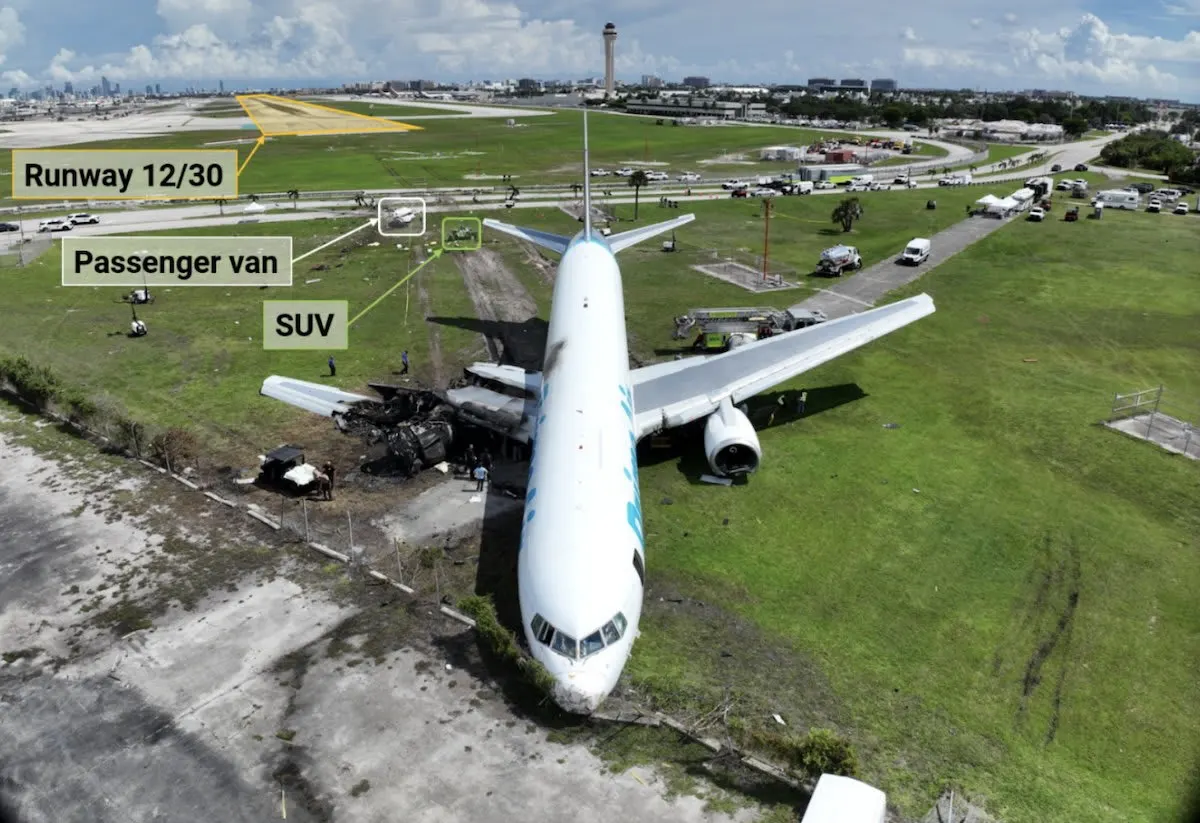
21 Air 767 Crash: NTSB Report Details Fatal MIA Overrun
The NTSB preliminary report on the 21 Air 767 crash at Miami International Airport confirms five ground fatalities following a late, high-speed landing.
Flydubai FZ1073 Hijacker Flagged as Security Risk by Oman
A Flydubai co-pilot accused of attempting to crash flight FZ1073 had been previously barred from flying in Oman due to extremist concerns.

FAA Clears Boeing 737 MAX Software Issue, Resumes MAX 10
The FAA cleared a Boeing 737 MAX software issue after a safety review, allowing the 737 MAX 10 certification process to resume immediately.
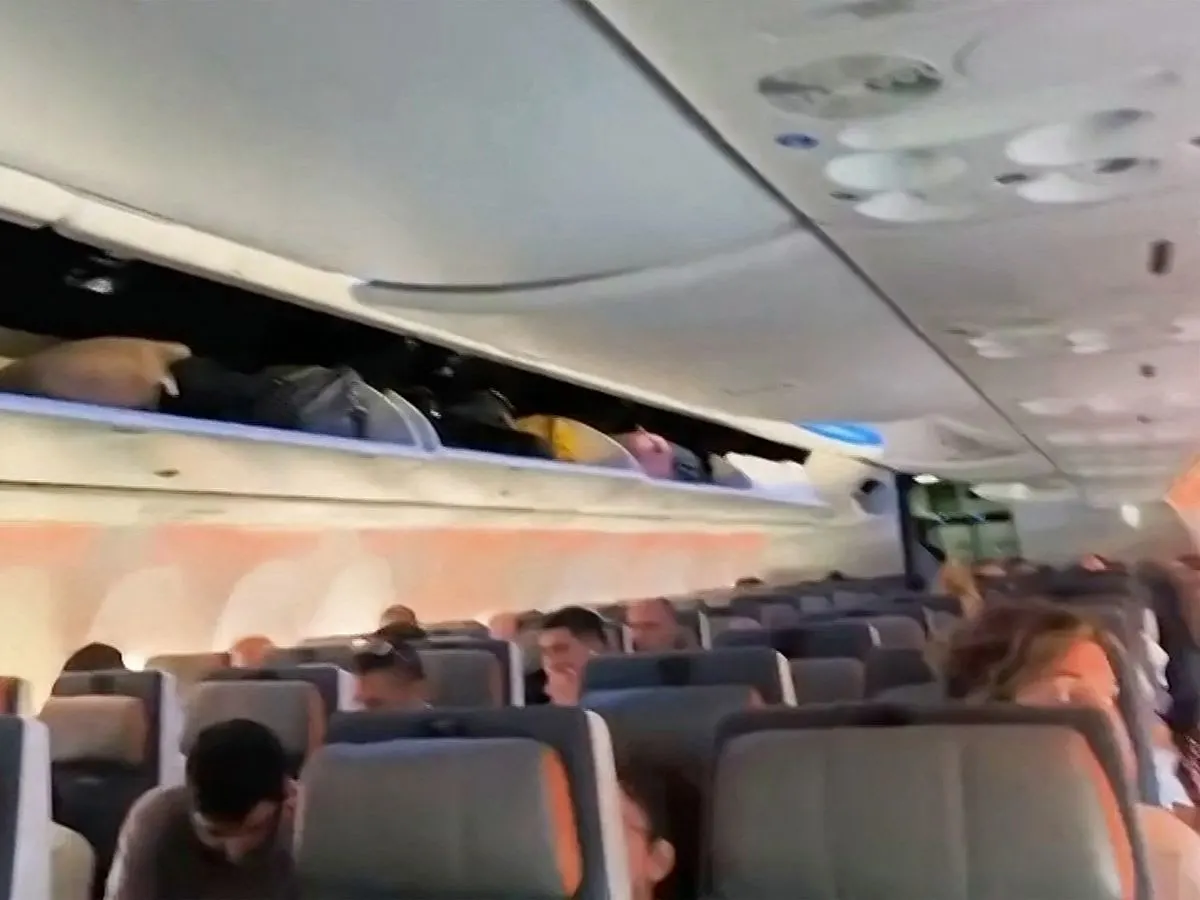
Flydubai Flight 1073 Hijacking Attempt Over Jordan
A Flydubai Flight 1073 co-pilot attacked the captain mid-flight on September 30, 2026, forcing passengers to intervene and stabilize the aircraft.

Families Demand DCA Midair Collision Safety Reforms
Families of 67 victims from the 2025 DCA midair collision are pressing Congress for mandatory ADS-B In technology to prevent future aviation tragedies.

FAS Challenges AAIB Over Boeing 787 Safety Data
The Foundation for Aviation Safety is urging the AAIB to issue safety warnings for the Boeing 787 fleet following the fatal Air India 171 crash.