FlyDubai FZ1073 Co-Pilot Had Prior Extremism Concerns

Co-Founder & CTOCo-Founder & CTO driving the technology and data systems behind Omni Flights.

FlyDubai flight FZ1073 co-pilot Hamam Al-Hammami, who attacked his captain with an ax, was previously barred from Oman Air for extremist views.
Key Takeaways
- •FlyDubai FZ1073 co-pilot Hamam Al-Hammami was previously barred by Oman Air.
- •The UAE classified the cockpit ax attack as an attempted terrorist act.
- •Flight FZ1073 dropped 17,000 feet before crew subdued the attacker.
- •The incident prompts a review of cross-border pilot vetting protocols.
The Investigation into FlyDubai Flight FZ1073
The co-pilot accused of attacking the captain of FlyDubai flight FZ1073 with a cockpit crash ax was previously barred from flying for Oman Air due to concerns regarding his extremist views. The incident, which occurred during a flight with 182 people on board, resulted in an emergency landing in Tabuk, Saudi Arabia. According to the official release from the United Arab Emirates Attorney-General, the event has been classified as an attempted terrorist act.
The co-pilot, identified as Hamam Al-Hammami, allegedly attempted to seize control of the aircraft while it was in flight. Flight tracking data indicates the aircraft plummeted approximately 17,000 feet in just over 30 seconds during the struggle. The General Civil Aviation Authority (GCAA) confirmed that the actions of Captain Smit Machchhar and the crew were instrumental in subduing the attacker and stabilizing the flight, preventing a potential catastrophe.
Insider Threat and Vetting Challenges
This incident highlights critical gaps in aviation security insider threat mitigation, particularly regarding cross-border intelligence sharing. While FlyDubai reportedly conducted standard security checks on Al-Hammami before hiring him, these screenings focused primarily on criminal convictions rather than deep-background radicalization assessments. Regional officials confirmed that Al-Hammami had been moved to an administrative role at Oman Air after his initial flight ban, yet this information did not prevent his subsequent employment in the UAE.
Industry experts note that while airlines strive for robust vetting, they face significant limitations when verifying the history of foreign nationals. Philip Baum, a visiting professor of aviation security at Coventry University, emphasized that the lack of international data sharing creates inherent vulnerabilities. Furthermore, Royal Air Maroc (RAM) stated that Al-Hammami completed a three-month theoretical training period in 2025 but was not selected for employment, though no further details were provided regarding that decision.
Historical Context and Safety Precedents
This event mirrors previous insider threats in commercial aviation. In 1994, the crew of FedEx Flight 705 successfully subdued an off-duty pilot who attacked them with hammers. More recently, the 2015 Germanwings Flight 9525 disaster, where a co-pilot deliberately crashed the aircraft, fundamentally changed global cockpit security standards. Similarly, the 2023 Alaska Airlines Flight 2059 incident involved an off-duty pilot attempting to sabotage engine operations, further underscoring the ongoing challenge of flight deck security.
Technical Analysis of Cockpit Security
The use of a standard-issue crash ax as a weapon has renewed debate over emergency equipment mandates. Under current International Civil Aviation Organization (ICAO) requirements, aircraft must carry these tools to assist in fire suppression or emergency egress. However, the incident raises questions about the balance between operational safety equipment and the potential for misuse. As investigations continue, the UAE GCAA is expected to review whether current vetting protocols for flight crew require more stringent, intelligence-based background checks that transcend national borders.
What Comes Next
The investigation into the motives of Al-Hammami remains ongoing, with security agencies from four regional countries working in coordination with Western governments to establish a definitive timeline. While no direct links to militant groups have been identified, the case has prompted a broader review of personnel screening within the region. The UAE GCAA is expected to release a final investigation report into the FZ1073 incident between late 2027 and 2028.
Why This Matters for Aviation Security
For airlines and regulators, the incident serves as a significant warning regarding the limitations of current pre-employment screening processes for international flight crews. The case underscores that standard criminal background checks are insufficient to detect radicalization, necessitating a shift toward more integrated, multi-jurisdictional intelligence sharing. For passengers, the event highlights the continued reliance on the situational awareness and bravery of flight crews when security protocols are circumvented.
Frequently Asked Questions
- Why was the co-pilot of FlyDubai flight FZ1073 barred from Oman Air?
- The co-pilot, Hamam Al-Hammami, was barred from flying for Oman Air due to concerns that he had adopted extremist views. Following this, he was transitioned to an administrative role within the company.
- What is the current status of the investigation into the FZ1073 incident?
- The United Arab Emirates has officially classified the incident as an attempted terrorist act. Security agencies from four regional countries, supported by Western governments, are currently investigating, with a final report expected from the General Civil Aviation Authority between late 2027 and 2028.
Get breaking commercial aviation news and expert airline analysis at omniflights.com. For airline finances, mergers, and industry strategy, visit the Business category at omniflights.com/business.

Written by Shashank Shukla
Co-Founder & CTO leading the engineering and AI systems behind Omni Flights. Covers aviation technology, flight safety, aircraft manufacturing, and emerging aerospace developments.
Visit ProfileYou Might Also Like
Discover more aviation news based on similar topics
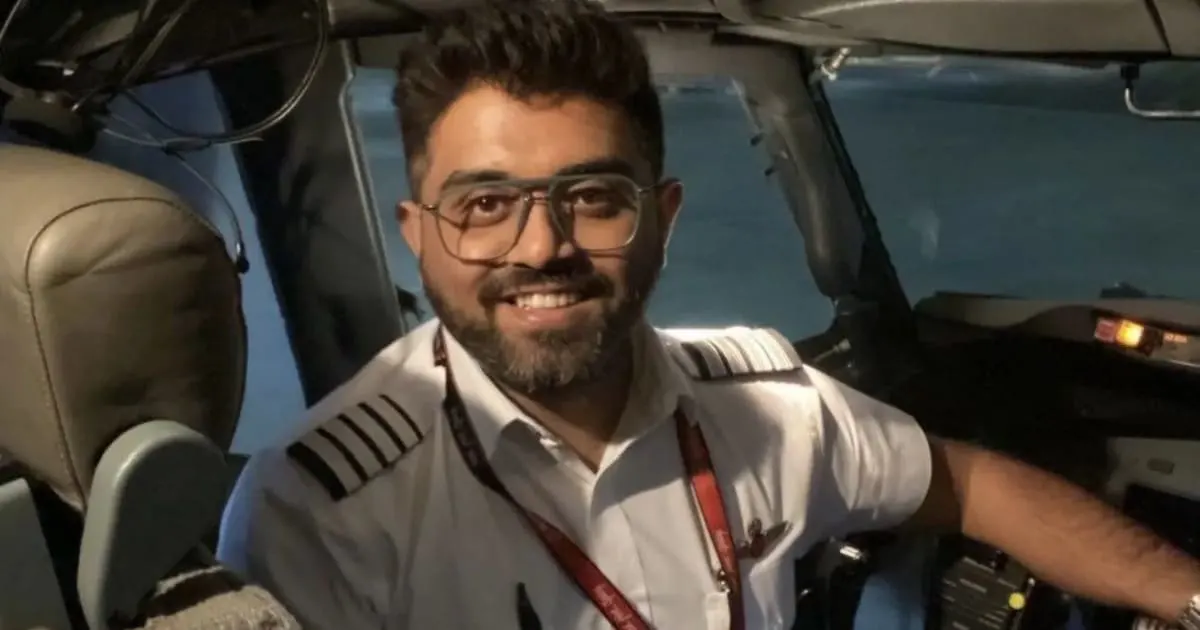
Flydubai FZ1073: Co-pilot Used Axe in Hijacking Attempt
A co-pilot on Flydubai Flight FZ1073 attacked the captain with a crash axe, triggering an attempted hijacking investigation by the UAE authorities.

Flydubai FZ1073: Pilot Attempted Terrorist Act, UAE Says
Flydubai flight FZ1073 was targeted in an attempted terrorist act by co-pilot Hamam al-Hammami, who was subdued by the captain during the flight.
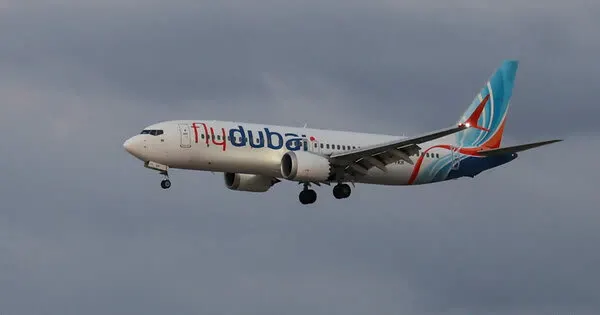
Flydubai FZ1073 Cockpit Attack: Inside the Terror Attempt
Flydubai flight FZ1073 diverted to Tabuk after co-pilot Hamam al-Hammami attacked Captain Smit Machchhar in a confirmed terrorist act.

21 Air 767 Crash: NTSB Report Details Fatal MIA Overrun
The NTSB preliminary report on the 21 Air 767 crash at Miami International Airport confirms five ground fatalities following a late, high-speed landing.
Flydubai FZ1073 Hijacker Flagged as Security Risk by Oman
A Flydubai co-pilot accused of attempting to crash flight FZ1073 had been previously barred from flying in Oman due to extremist concerns.

FAA Clears Boeing 737 MAX Software Issue, Resumes MAX 10
The FAA cleared a Boeing 737 MAX software issue after a safety review, allowing the 737 MAX 10 certification process to resume immediately.