FlyDubai Flight FZ1073: Captain Stabbing Under Investigation

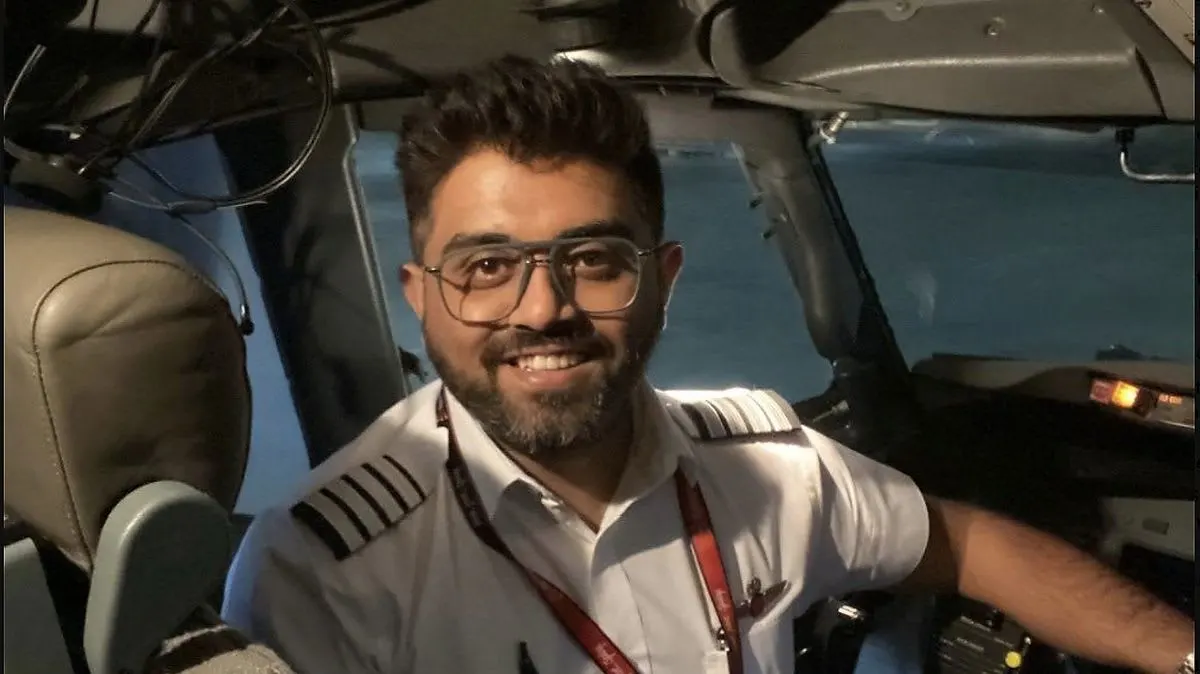
A FlyDubai Boeing 737 MAX 8 diverted to Saudi Arabia after a co-pilot allegedly attacked the captain, endangering 182 people on board.
Key Takeaways
- •FlyDubai FZ1073 cockpit attack occurred on September 30, 2026.
- •Captain Smit Machchhar survived an axe assault by Hamam al-Hammami.
- •Passengers helped land the Boeing 737 MAX 8 in Tabuk, Saudi Arabia.
- •UAE authorities are investigating the incident as an attempted terrorist act.
The aviation industry is reeling following the FlyDubai flight FZ1073 attack on September 30, 2026, which saw an mid-flight cockpit assault that jeopardized the lives of 182 passengers and crew. During the flight, which was operating a Boeing 737 MAX 8 aircraft, co-pilot Hamam al-Hammami allegedly used an axe to assault Captain Smit Machchhar. The incident forced a rapid emergency descent from 34,000 feet to between 15,000 and 17,000 feet as the aircraft struggled for stability.
The Cockpit Struggle and Emergency Diversion
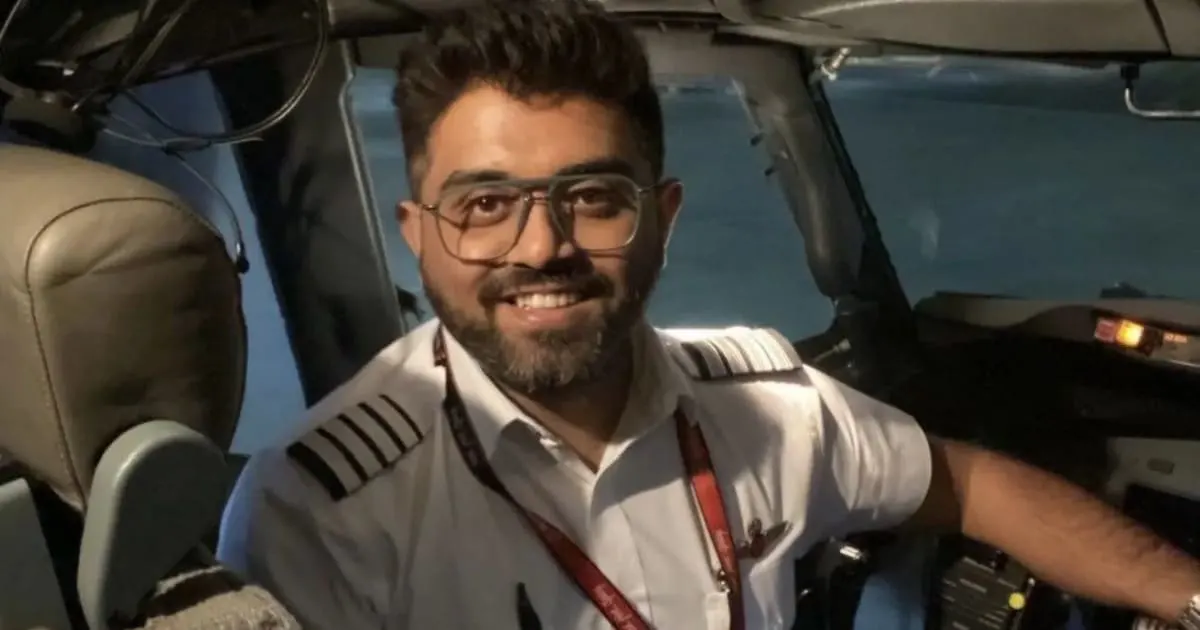
Captain Machchhar reported that he was struck repeatedly in the back of the head while the co-pilot was allegedly praying. Despite severe injuries and blurred vision, Machchhar managed to unlock the cockpit door, allowing passengers and off-duty crew to intervene. Two passengers subsequently helped stabilize the aircraft, which safely performed an emergency landing in Tabuk, Saudi Arabia. The UAE (United Arab Emirates) General Civil Aviation Authority is currently leading a complex investigation into the security breach, asserting extraterritorial jurisdiction over the incident as the aircraft was registered in the UAE.
Stakeholder Impact and Background Checks
This FlyDubai cockpit stabbing has triggered intense scrutiny regarding pilot background checks and insider threats. Reports suggest the attacker had previously been flagged as a security risk by Oman Air, yet was still hired by FlyDubai. This revelation has placed significant pressure on both airlines, with FlyDubai facing operational disruptions, including the temporary suspension of its Tel Aviv route. The UAE Attorney-General has officially classified the incident as an attempted terrorist act, and the investigation is expected to result in a comprehensive overhaul of national pilot vetting procedures.
Historical Context and Industry Precedents
This event mirrors previous cockpit security crises, most notably FedEx Flight 705 in 1994, where a crew fought off an attacker armed with melee weapons to save their flight. Furthermore, the incident recalls the 2015 Germanwings Flight 9525 tragedy, which exposed the catastrophic risks posed by rogue pilots. Unlike the Germanwings incident, where the captain was locked out, the intervention of passengers in this case proved vital to preventing a disaster. The industry is now evaluating whether current cockpit security mandates are sufficient to prevent targeted insider violence.
Technical Analysis: The Flight Path
Data from the incident reveals a sudden loss of altitude consistent with a struggle for control. The rapid descent and subsequent stabilization by passengers highlight the critical importance of the flight control systems on the 737 MAX 8 during pilot incapacitation. Analysts suggest that this event will likely accelerate the adoption of advanced biometric monitoring and more rigorous, cross-border information sharing for pilot employment history to mitigate the risk of radicalization among flight crews.
What Comes Next: Investigation Milestones
The UAE Attorney-General's office is expected to release its formal investigation findings between late 2026 and 2027. This report will likely clarify the security failures that allowed the co-pilot to be hired despite prior warnings. In the interim, aviation regulators are expected to review international database protocols for pilot security risk assessments to ensure that red flags are communicated across borders.
Why This Matters for Airline Security
This incident signals a shift in focus from external threats to the vulnerability of the cockpit from within. For travelers, the outcome underscores the extreme reliance on flight deck security and the potential for severe operational consequences when vetting procedures fail. The industry's response to this breach will likely define new standards for pilot human factors and security oversight for the next decade.
Frequently Asked Questions
- What happened on FlyDubai flight FZ1073?
- On September 30, 2026, a co-pilot allegedly attacked the captain with an axe during the flight. Passengers intervened to help stabilize the Boeing 737 MAX 8, which then made an emergency landing in Tabuk, Saudi Arabia.
- How did the investigation classify the attack on the FlyDubai pilot?
- The United Arab Emirates Attorney-General has officially classified the cockpit attack as an attempted terrorist act and is leading a multi-national investigation into the security breach.
Get breaking commercial aviation news and expert airline analysis at omniflights.com. For detailed airline coverage, route changes, and fleet moves, explore the Airlines section at omniflights.com/airlines.

Written by Shashank Shukla
Co-Founder & CTO leading the engineering and AI systems behind Omni Flights. Covers aviation technology, flight safety, aircraft manufacturing, and emerging aerospace developments.
Visit ProfileYou Might Also Like

Flydubai FZ1073 Hijacking Thwarted After Cockpit Attack

EASA Grounds Elixir Aircraft Fleet After Fatal French Crash
FlyDubai Flight 1073 Attacker Studied at UK University
Flydubai FZ1073: Co-pilot Used Axe in Hijacking Attempt

FlyDubai FZ1073 Co-Pilot Had Prior Extremism Concerns