Flydubai Flight 1073 Hijacking Attempt Over Jordan

Co-Founder & CTOCo-Founder & CTO driving the technology and data systems behind Omni Flights.
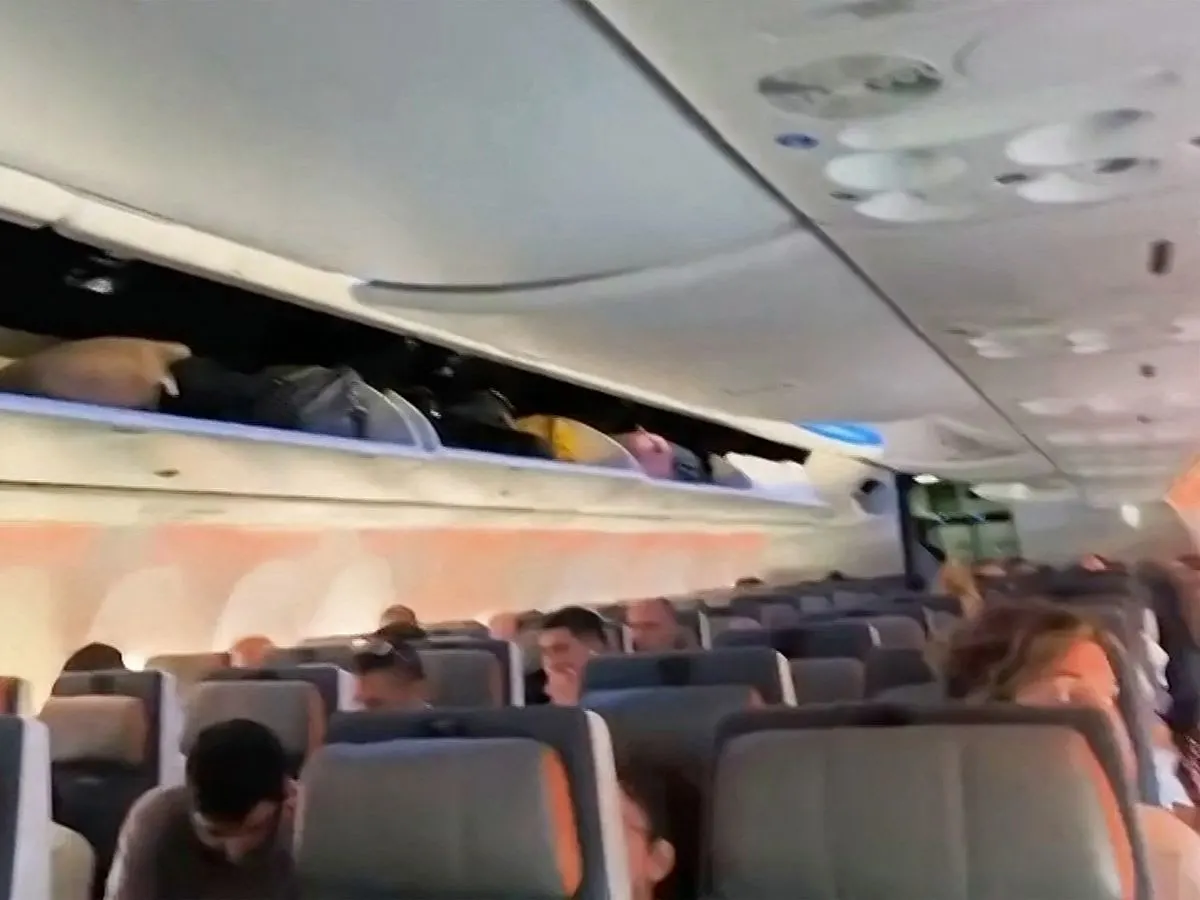
A Flydubai Flight 1073 co-pilot attacked the captain mid-flight on September 30, 2026, forcing passengers to intervene and stabilize the aircraft.
Key Takeaways
- •Flydubai Flight 1073 co-pilot attacked the captain mid-flight on Sept 30, 2026.
- •Boeing 737 MAX 8 plummeted 17,000 feet in under two minutes during the struggle.
- •Passengers and crew subdued the attacker, landing safely in Tabuk, Saudi Arabia.
- •GACA is leading the formal investigation into the security breach.
The Mid-Air Crisis on Flydubai Flight 1073
On September 30, 2026, Flydubai Flight 1073, a scheduled service from Dubai, United Arab Emirates, to Tel Aviv, Israel, became the site of a severe in-flight security incident. The Boeing 737 MAX 8 aircraft, carrying 174 passengers and eight crew members, experienced a violent struggle inside the cockpit when the co-pilot allegedly attacked the captain. The situation prompted the flight crew to broadcast the International Civil Aviation Organization (ICAO) emergency transponder codes 7700 for a general emergency and 7500 to signal unlawful interference, or hijacking.
The Descent and Passenger Intervention
According to Flightradar24 ADS-B telemetry data, the aircraft plummeted from an altitude of 34,000 feet to approximately 17,000 feet in less than two minutes. The rapid descent caused significant structural stress, particularly to the aircraft's tail. As the captain, Smit Machchhar, struggled to maintain control, he unlocked the reinforced cockpit door—a move required by ICAO Annex 6 security protocols—to allow passengers to assist. Passengers and an off-duty pilot on board successfully subdued the attacker and stabilized the flight before it executed an emergency landing in Tabuk, Saudi Arabia.
Historical Precedents and Insider Threats
This event echoes past incidents involving insider threats, such as the 1994 struggle on Federal Express Flight 705, where the flight crew fought off an attacker to land safely. Conversely, the 2015 Germanwings Flight 9525 tragedy, where a co-pilot locked the captain out of the flight deck, underscores the extreme risk posed by malicious actors within the cockpit. The Flydubai incident highlights the ongoing challenge of balancing the security of hardened cockpit doors, designed to prevent external hijacking, against the need for rapid intervention when a threat originates from within the flight deck.
Boeing 737 MAX 8 vs. Airbus A320neo: Key Specifications
| Metric | Boeing 737 MAX 8 | Airbus A320neo |
|---|---|---|
| Typical Capacity | 162 to 178 | 150 to 180 |
| Range | 3,500 nm | 3,400 nm |
| Length | 39.52 m | 37.57 m |
Technical Analysis of the Security Breach
The incident on Flight 1073 represents a critical failure point in modern commercial aviation security. While post-9/11 protocols have successfully deterred external hijacking attempts, the presence of an attacker within the flight deck creates a unique operational crisis. The data suggests that current psychological screening and background check mandates for flight crews are under intense scrutiny following this event. Industry experts argue that the reliance on hardened doors creates a 'black box' environment that complicates emergency responses. Future mitigation strategies will likely focus on enhanced crew pairing protocols and advanced biometric or behavioral monitoring to detect potential insider threats before they reach the flight deck.
Expected Investigation Milestones
Regulatory authorities, led by the General Authority of Civil Aviation (GACA) of Saudi Arabia, have initiated a formal inquiry into the event. A preliminary investigation report is expected by late 2026. This report will likely clarify the specific motive of the co-pilot and evaluate the effectiveness of current cockpit access procedures.
Why This Matters for Aviation Security
The incident at 34,000 feet signals a shift in the aviation security landscape, moving away from purely external threats toward the management of authorized insider personnel. For airlines and regulators, the challenge lies in implementing robust psychological screening without disrupting flight deck operations. The survival of the 174 passengers on board serves as a testament to the resourcefulness of crew and passengers in high-stress scenarios, yet it also necessitates a re-evaluation of current security architectures to prevent similar occurrences in the future.
Frequently Asked Questions
- What happened to the aircraft altitude during the Flydubai Flight 1073 incident?
- Flightradar24 data confirms the Boeing 737 MAX 8 dropped from 34,000 feet to approximately 17,000 feet in less than two minutes during the cockpit struggle.
- How did passengers gain access to the cockpit during the hijacking attempt?
- The captain, Smit Machchhar, deliberately unlocked the reinforced cockpit door from the inside to allow passengers to enter and assist in neutralizing the attacker.
For global airline trends and commercial aviation news, turn to omniflights.com. Get the latest updates on major hubs, regional terminals, and airport operations via the Airports section at omniflights.com/airports.
Written by Shashank Shukla
Co-Founder & CTO leading the engineering and AI systems behind Omni Flights. Covers aviation technology, flight safety, aircraft manufacturing, and emerging aerospace developments.
Visit ProfileYou Might Also Like
Discover more aviation news based on similar topics
Flydubai FZ1073 Hijacker Flagged as Security Risk by Oman
A Flydubai co-pilot accused of attempting to crash flight FZ1073 had been previously barred from flying in Oman due to extremist concerns.
FAA Clears Boeing 737 MAX Software Issue, Resumes MAX 10
The FAA cleared a Boeing 737 MAX software issue after a safety review, allowing the 737 MAX 10 certification process to resume immediately.

Families Demand DCA Midair Collision Safety Reforms
Families of 67 victims from the 2025 DCA midair collision are pressing Congress for mandatory ADS-B In technology to prevent future aviation tragedies.
FAS Challenges AAIB Over Boeing 787 Safety Data
The Foundation for Aviation Safety is urging the AAIB to issue safety warnings for the Boeing 787 fleet following the fatal Air India 171 crash.
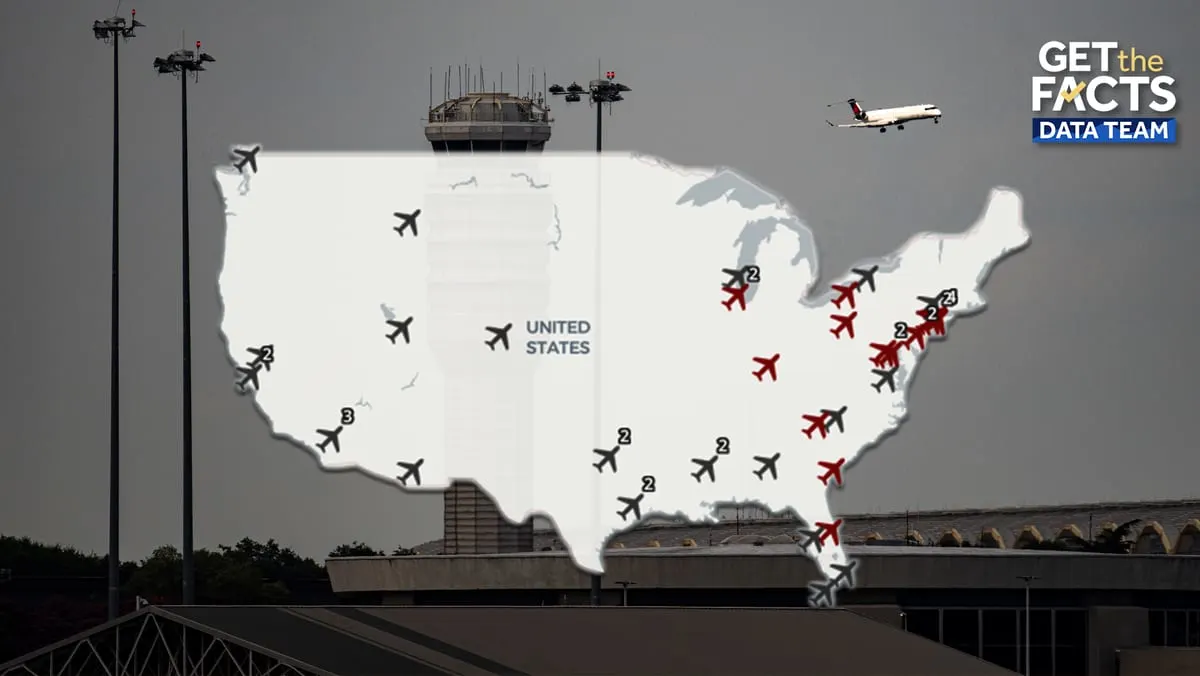
NTSB Safety Recommendations Lag Amid 6 Monthly Near-Misses
Approximately 6 near-miss incidents occur monthly at U.S. airports as 270 NTSB safety recommendations remain unaddressed by federal regulators.
NTSB Rejects FAA Safety Responses After 67-Fatality Crash
The NTSB labeled 11 FAA responses to 2025 DCA mid-air collision recommendations as unacceptable, citing the lack of a mandatory ADS-B In requirement.