Finnish Airports Report 4% Passenger Growth in 2025, Led by International Travel

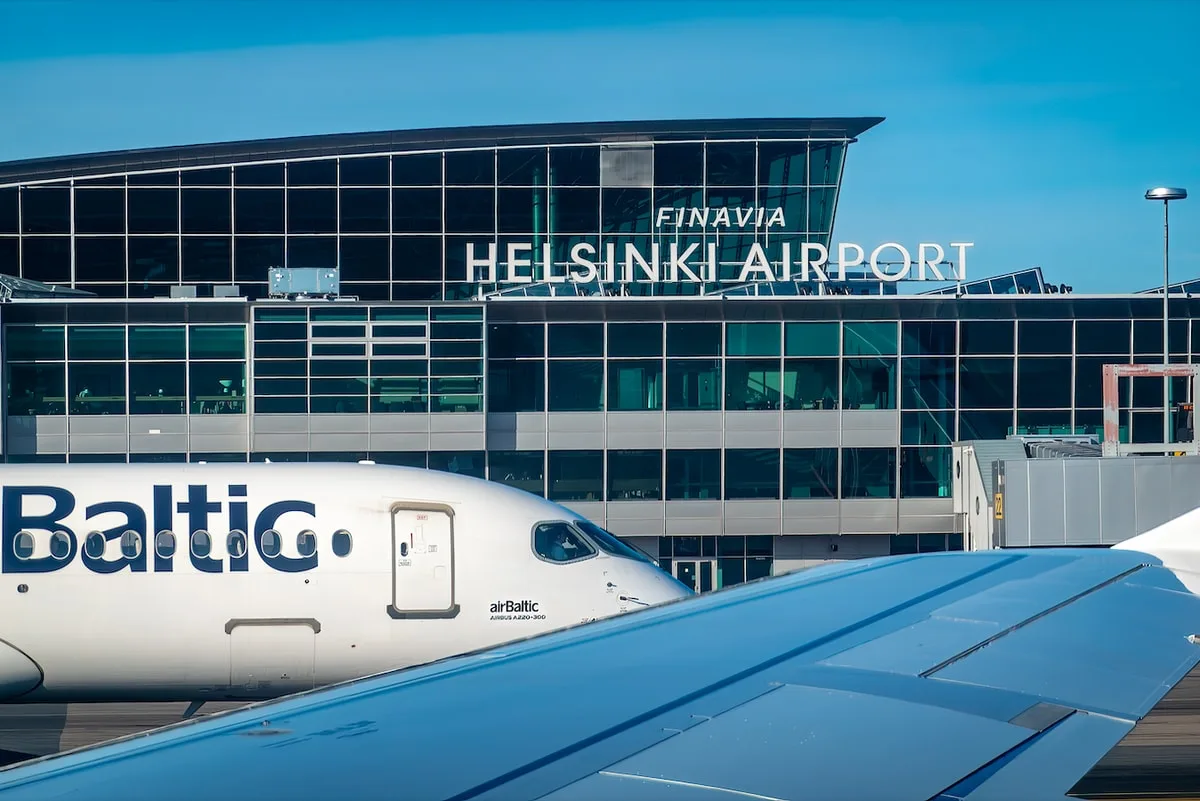
Finland's airports handled 20.6 million passengers in 2025, a 4% year-over-year increase, though traffic remains 21% below pre-pandemic levels.
Key Takeaways
- •Handled 20.6 million passengers in 2025, a 4% increase over 2024.
- •Remained 21% below pre-pandemic traffic levels from 2019.
- •Driven by a 6% rise in international travel, which offset a 1% decline in domestic traffic.
- •Showcased strong regional tourism growth, with Rovaniemi Airport traffic increasing by 18.4%.
The Finnish aviation sector continued its gradual post-pandemic recovery in 2025, with airports across the country handling 20.6 million passengers. This figure represents a 4% increase compared to 2024, driven primarily by a resurgence in international travel. However, the total volume remains significantly below pre-pandemic benchmarks, highlighting a complex and uneven recovery path for the Nordic nation's air transport network.
According to official data released by Statistics Finland, the growth reflects improving travel demand but also underscores the persistent gap compared to 2019, when traffic was 21% higher. The recovery is characterized by a dual trend: while international passenger numbers grew by 6%, domestic travel saw a slight decline of 1%. This divergence points to the critical role of international connectivity and tourism in sustaining the industry's rebound.
Detailed Traffic Analysis
Finland’s air traffic is heavily concentrated at its primary gateway, Helsinki-Vantaa Airport (HEL). In 2025, HEL processed 17.1 million passengers, accounting for 83% of the country's total air travelers. The remaining 3.5 million passengers were handled by Finland's network of regional airports. The airport system is managed by Finavia Oyj, the public limited company responsible for maintaining and developing the national network.
International flights were the clear engine of growth, constituting 82% of all passenger traffic. The 6% year-over-year increase in this segment was crucial in offsetting the 1% contraction in domestic passenger numbers. This trend benefited Helsinki-Vantaa Airport disproportionately due to its status as a key hub for long-haul and European routes.
Petri Vuori, Senior Vice President of Route Development at Finavia, commented on the market's health. “Airlines' interest in the Finnish market has remained strong, and new routes support both tourism and the needs of business and industry. In 2025, Finland had approximately 140 direct flight routes to destinations around the world,” Vuori stated.
Pre-Pandemic Comparison and Regional Trends
The 21% deficit compared to 2019 figures illustrates that a full recovery remains a medium-term goal. This recovery pace is consistent with broader Nordic aviation trends, which have generally lagged behind those in Southern Europe. For instance, in 2024, passenger demand relative to 2019 was still down 25% in Finland and 23% in Sweden, indicating regional challenges in restoring traffic volumes.
A standout performer in 2025 was the Lapland region, where leisure travel drove significant growth. Airports in Northern Finland experienced a surge in demand, particularly during the winter season. According to Finavia, Rovaniemi Airport was a key driver, with its traffic increasing by 18.4% and surpassing one million annual passengers for the first time.
Helsinki's Role as a Transit Hub
Helsinki-Vantaa Airport's strategic position as a transfer hub between Europe and Asia is a critical component of its recovery. In 2025, international transfer traffic at HEL accounted for 27.1% of its passengers, an increase from 25.5% in the previous year. This growth was fueled by the restoration and addition of long-haul services, reinforcing the airport's importance in global air networks.
The ability to attract transit passengers is vital for sustaining the high frequency of international connections that also serve local business and leisure travelers. The increase in transfer traffic suggests that airlines are rebuilding confidence in Helsinki's hub-and-spoke model.
Industry Outlook and Initiatives
Looking ahead, Finland's Ministry of Transport and Communications is focused on strategic initiatives to bolster air connectivity and support continued growth. The long-term strategy involves targeted development of the national airport network to support both tourism and commercial needs. These efforts are complemented by a renewed focus on safety and security.
In late 2025, the Finnish Aviation Safety Programme (FASP) was updated to emphasize preparedness and enhance cooperation between civil and military aviation authorities. This program is overseen by the Finnish Transport and Communications Agency (Traficom), the national authority responsible for transport sector regulation.
While the 2025 passenger data is a positive indicator, industry analysts caution that achieving pre-pandemic volumes will depend on external factors, including European economic conditions, airline capacity deployment, and evolving travel behaviors. The sector's trajectory will be shaped by its ability to adapt to these variables while advancing infrastructure and sustainability goals.
Why This Matters
This data reveals a two-speed recovery in a key Nordic aviation market, where international demand and niche tourism are outpacing domestic travel. For the industry, it underscores the importance of long-haul hub strategies and specialized leisure destinations like Lapland in rebuilding traffic. The slower overall rebound compared to Southern Europe highlights distinct regional challenges and the strategic necessity of government and operator initiatives to secure Finland's global connectivity.
Get breaking commercial aviation news and expert airline analysis at omniflights.com. Stay informed on aviation incidents, investigations, and best practices in the Safety category at omniflights.com/safety.

Written by Ujjwal Sukhwani
Aviation News Editor & Industry Analyst delivering clear coverage for a worldwide audience. Covers flight operations, safety regulations, and market trends with expert analysis.
Visit ProfileYou Might Also Like

IndiGo Opens Commercial Flights at Bhogapuram

Sydney Airport Master Plan 2045 Approved

Visakhapatnam Airport Ends Commercial Flights for 30 Years

NMIA Approves 13 Airlines for Cargo Operations

Hong Kong Air Cargo Lands First Navi Mumbai Freighter