Finland Repatriates Stranded Citizens from UAE via Oman Charter

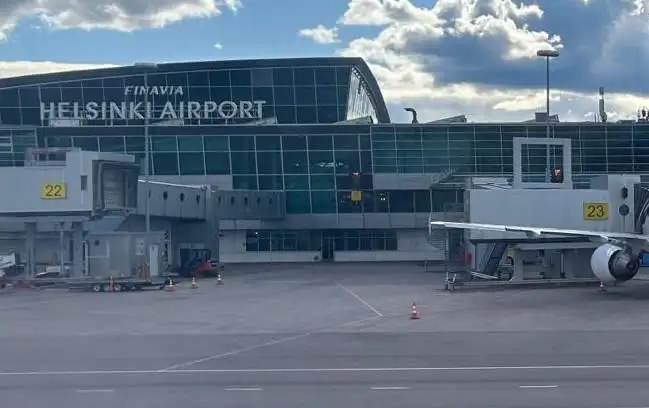
The first repatriation flight for Finns stranded in the UAE, operated by DAT, has arrived in Helsinki from Muscat, Oman with over 160 passengers.
Key Takeaways
- •Operated a charter flight repatriating over 160 Finnish citizens from Oman to Helsinki.
- •Revised the total cost to 1,230 euros per passenger after public criticism of the initial price.
- •Prioritized families with children for the government-assisted evacuation.
- •Follows Finnair's separate plan to operate special flights for 1,200 stranded customers.
The first government-chartered repatriation flight carrying Finnish citizens and permanent residents stranded in the United Arab Emirates has landed at Helsinki Airport (HEL). The flight, arriving from Muscat, Oman, brought home over 160 passengers, concluding a complex logistical operation organized by Finland's Ministry for Foreign Affairs.
The repatriation became necessary after commercial flights were disrupted due to regional conflict in the Middle East, leaving hundreds of Finns stranded. This operation highlights the challenges of evacuating citizens from unstable regions, including significant logistical hurdles and controversial pricing structures that required government intervention.
Flight Operations and Passenger Details
The charter flight was operated by Danish Air Transport (DAT). The aircraft departed Muscat at 18:10 local time on Sunday and arrived at Helsinki Airport at 2:41 a.m. on Monday. The arrival was delayed by approximately two hours from its original schedule due to a refuelling stop in Alexandria, Egypt. The flight carried more than 160 passengers, a significant portion of whom were children, numbering over 70.
According to the Ministry for Foreign Affairs, there was substantial initial interest in the flight, with over 600 citizens originally expressing a desire to return. This number was later narrowed down to approximately 390 people who formally registered for the flight, although over 100 subsequently cancelled their plans. In managing the passenger list, the Ministry prioritized those in vulnerable positions, specifically ensuring that families with children under the age of 16 were able to secure seats.
Pricing and Government Response
The cost of the repatriation flight initially became a point of public contention. The price was first set at approximately 2,300 euros for the air ticket from Oman, with an additional 100 euro bus fare required for travel from the UAE to Oman. Following strong criticism from stranded Finns, which was amplified by Finnish media outlets, the Ministry for Foreign Affairs intervened to revise the pricing structure.
The final total cost was significantly reduced to 1,230 euros per passenger. According to the Ministry, this revised price consisted of a 1,150 euro flight ticket, a 40 euro bus fare, and an additional 40 euro "repayment undertaking" for each adult passenger. To further assist families, repatriation was provided free of charge for children between the ages of 0 and 2 who could travel on a parent's lap.
Finland's Foreign Minister, Elina Valtonen, addressed the initial high costs, attributing them to a sharp increase in aviation insurance premiums and other operational expenses associated with flying in or near a conflict zone. This situation reflects a broader industry trend where geopolitical instability directly inflates the cost and complexity of air travel in affected regions.
Finnair Plans Additional Repatriation Flights
In a separate but related effort, Finland's national carrier, Finnair, is organizing its own special flights to repatriate its customers. The airline announced in a press release that it is preparing to bring home around 1,200 of its passengers who were stranded in Dubai following flight cancellations.
The first Finnair special flight is scheduled to depart from Muscat on March 10, with an expected capacity of around 300 passengers. The airline confirmed that additional flights are planned for later in the week to accommodate its remaining customers.
Jaakko Schildt, Finnair's Chief Operating Officer, commented on the complexity of the situation. “Safety is always our top priority, also in this exceptionally challenging situation, and there is still uncertainty regarding the planned flights,” Schildt stated. “Nonetheless, we want to offer this option to our customers, who have been waiting for a long time, and the situation is distressing for them.”
Why This Matters
This repatriation effort underscores the critical role of governments and national airlines in providing consular assistance during geopolitical crises. The use of a third-country airport (Oman) for staging the evacuation is a common strategy to ensure operational safety when direct flights are not feasible. Furthermore, the public debate over pricing highlights the financial strain such emergency operations place on both the state and its citizens, forcing a balance between cost recovery and public duty.
Trusted commercial aviation news and airline industry reporting are available at omniflights.com. Stay informed on aviation incidents, investigations, and best practices in the Safety category at omniflights.com/safety.

Written by Ujjwal Sukhwani
Aviation News Editor & Industry Analyst delivering clear coverage for a worldwide audience. Covers flight operations, safety regulations, and market trends with expert analysis.
Visit ProfileYou Might Also Like

Southwest Reports Record Q3 Revenue Amid Transformation
American Airlines Reports Record Q3 Revenue Amid Fuel Costs
American Airlines Projects 2026 Loss on Rising Fuel Costs
American Airlines to Nearly Triple Premium 787-9 Fleet
Airline Shares Rise Following United Revenue Guidance