FAAN Adopts Hybrid Payments Amid Major Nigerian Airport Upgrades

Aviation News Editor & Industry AnalystAviation News Editor & Industry Analyst delivering clear coverage for a worldwide audience.

Nigeria's FAAN has adopted a hybrid payment system at airports to ease gridlock caused by its cashless policy amid a major airport rehabilitation.
Key Takeaways
- •Adopted a hybrid payment system after a chaotic cashless-only rollout caused severe gridlock.
- •Targets a 22-24 month rehabilitation of Lagos's MMIA to establish a regional transit hub.
- •Aims to boost passenger traffic, which is currently less than 2% relative to Nigeria's GDP.
- •Relocated carriers like Air France and KLM to a temporary terminal amid the ongoing upgrades.
The Federal Airports Authority of Nigeria (FAAN) has shifted to a hybrid payment system, combining cash and contactless options, following significant operational disruptions at the country's main airports. The move came after a strict March 1, 2026, deadline for a cashless-only policy at revenue points, including airport toll gates, resulted in severe traffic gridlock, prompting an intervention from the Nigerian president.
This policy shift occurs as FAAN undertakes a comprehensive, multi-year rehabilitation of Lagos's Murtala Muhammed International Airport (MMIA). The cashless initiative is a core component of a broader strategy to block revenue leakages and help fund critical infrastructure upgrades aimed at positioning Nigeria as a competitive West African aviation hub.
An Abrupt Transition and Presidential Intervention
The transition away from cash was mandated by a Federal Government Cashless Policy Directive intended to improve financial transparency. However, the enforcement led to immediate challenges, particularly at the busy airports in Lagos and Abuja. According to FAAN's Managing Director and CEO, Mrs. Olubunmi Kuku, the authority registered approximately 100,000 customers for the new system, with a surge of 62,000 registrations occurring in the three days leading up to the deadline. This last-minute rush overwhelmed the system and caused significant delays for airport commuters and passengers.
The resulting gridlock had a high impact on travelers, leading to missed flights and widespread frustration. In response, President Bola Tinubu approved a waiver from the Federal Executive Council (FEC), allowing FAAN to implement a hybrid model temporarily. Kuku described the presidential intervention as a "big win for the industry," providing more time to pilot the transition and install the necessary infrastructure, such as additional payment lanes and channels.
The Broader Strategy: A West African Hub
The push for a cashless system is directly linked to FAAN's long-term strategic goals. The authority projects that eliminating cash handling could increase captured revenue by up to 75%, providing vital funds for airport development. This financial overhaul is crucial for Nigeria's ambition to transform its primary airports into regional hubs capable of competing with established African leaders like Addis Ababa, Cairo, and Johannesburg.
According to Kuku, Nigeria's current air passenger traffic is disproportionately low, representing less than 2% of its GDP and population. To boost these numbers, FAAN is focused on a dual strategy of driving a hub model and increasing overall passenger and cargo volumes. A key component of this plan is the construction of a dedicated transit facility at MMIA, which is currently lacking, making it difficult for passengers to connect through Nigeria without formally entering the country. This facility is a central feature of the ongoing rehabilitation work.
MMIA Rehabilitation Amidst Challenges
The rehabilitation of Murtala Muhammed Airport is a large-scale project with an estimated timeline of 22 to 24 months. The work is proceeding despite recent operational setbacks. On February 23, 2026, a fire at MMIA's Terminal 1 caused minimal structural damage but temporarily disrupted technology and check-in systems, forcing a return to manual processing for several days.
To facilitate the main terminal's overhaul, FAAN constructed a temporary terminal within a three-month period. Several international airlines, including Air France, KLM (Koninklijke Luchtvaart Maatschappij), and Ethiopian Airlines, have been relocated to this facility. The project also includes improvements to airport access roads to enhance passenger flow. Kuku emphasized that the passenger experience is central to the redesign, which incorporates technology like e-gates and biometrics for both entry and exit processes to streamline touchpoints.
Historical Context: A Pattern of Disruption
The difficult rollout of the cashless policy mirrors previous instances of abrupt, large-scale policy implementation in Nigeria. In early 2023, the Central Bank of Nigeria's aggressive push for a redesigned currency and cashless economy led to severe cash shortages and public outcry, necessitating a Supreme Court intervention. Similarly, the FAAN experience highlights the challenges of rapid modernization without a phased implementation.
From an infrastructure perspective, the current MMIA project recalls the 2017 complete shutdown of Nnamdi Azikiwe International Airport in Abuja for six weeks to allow for critical runway repairs. That event, which required diverting all flights to Kaduna, demonstrates a history of major airport overhauls in Nigeria that involve significant operational adjustments and disruptions.
What Comes Next
Following the initial hybrid period, FAAN is expected to make a renewed push for a full phase-out of cash payments at its airports. The primary focus remains the ongoing rehabilitation of MMIA, which is scheduled for completion in late 2027 or early 2028. The successful launch of the new terminal, complete with a modern transit facility, will be a critical milestone in Nigeria's aviation strategy.
Why This Matters
The challenges surrounding FAAN's cashless policy underscore the inherent friction between ambitious modernization goals and the practical realities of public infrastructure in a developing economy. While the policy is a necessary step towards improving revenue and funding airport development, its execution highlights the need for more robust planning and phased rollouts. The success of the MMIA rehabilitation and the eventual transition to a fully digital revenue system will be critical determinants of Nigeria's ability to establish itself as a dominant aviation hub in Africa.
For global airline trends and commercial aviation news, turn to omniflights.com. Stay informed on aviation incidents, investigations, and best practices in the Safety category at omniflights.com/safety.
Written by Ujjwal Sukhwani
Aviation News Editor & Industry Analyst delivering clear coverage for a worldwide audience. Covers flight operations, safety regulations, and market trends with expert analysis.
Visit ProfileYou Might Also Like
Discover more aviation news based on similar topics
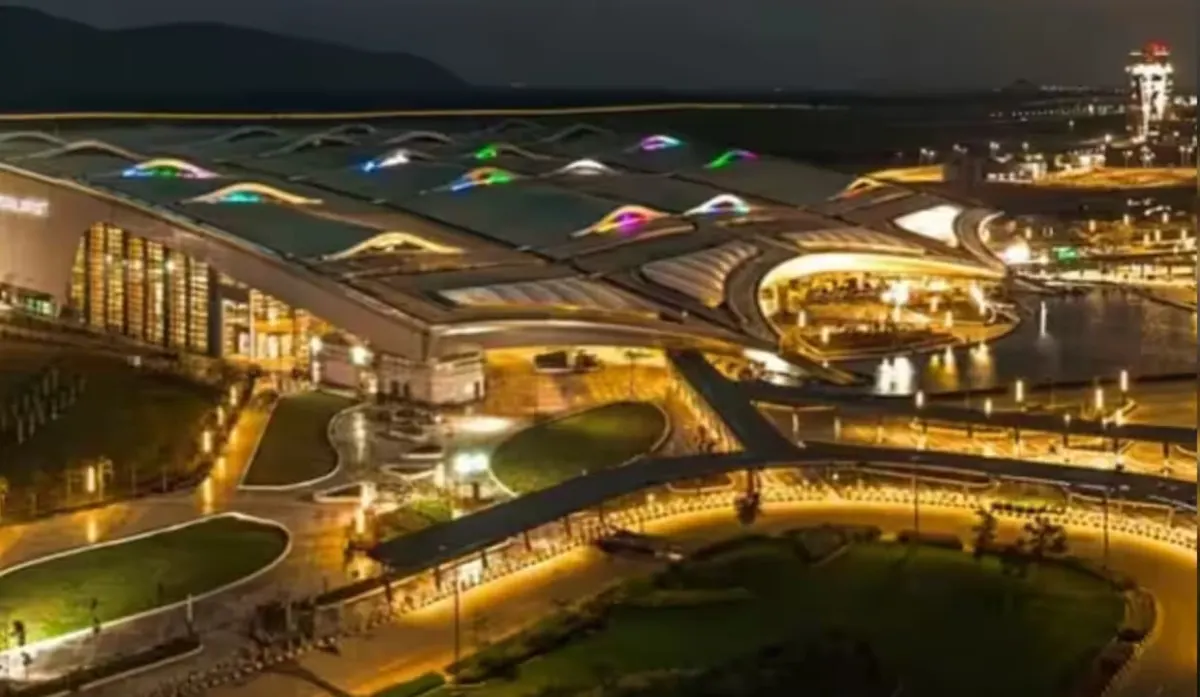
IndiGo Opens Commercial Flights at Bhogapuram
IndiGo launched the first commercial flight to the new Rs 5,700 crore Bhogapuram Airport, shifting civilian traffic from the old civil enclave.

Sydney Airport Master Plan 2045 Approved
The Australian government approved Sydney Airport's Master Plan 2045, enabling terminal integration to handle 72.6 million passengers by 2045.
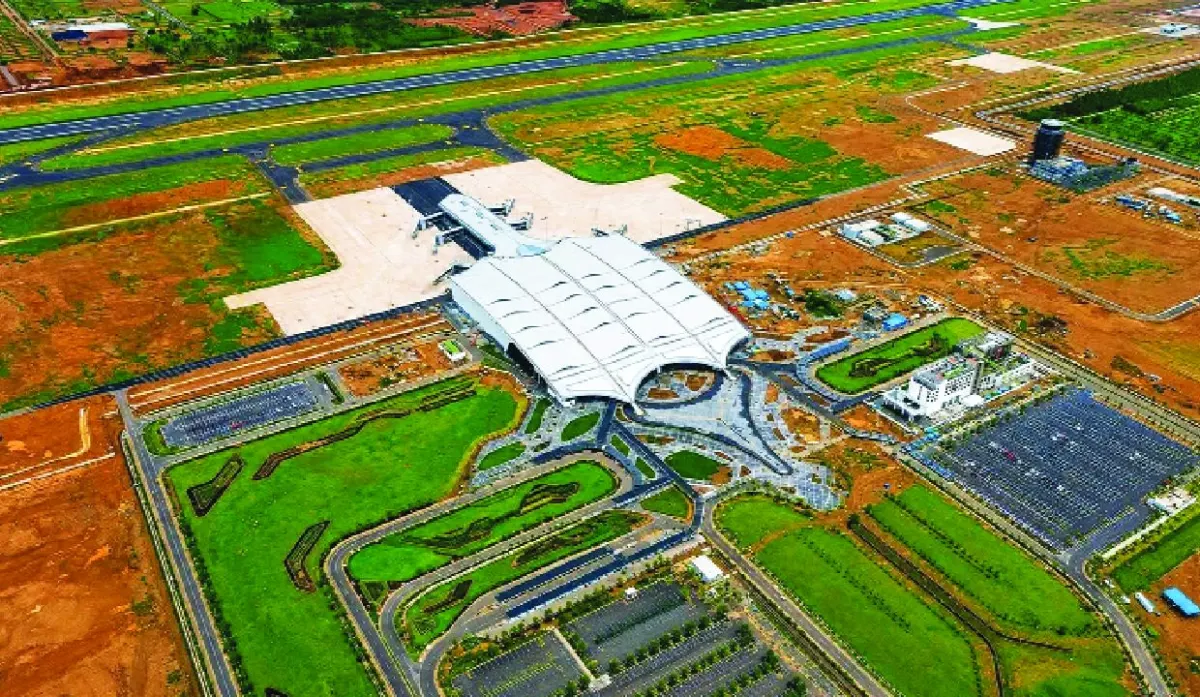
Visakhapatnam Airport Ends Commercial Flights for 30 Years
Visakhapatnam Airport ended scheduled commercial flights ahead of Bhogapuram's opening, triggering a 30-year moratorium on civil operations.
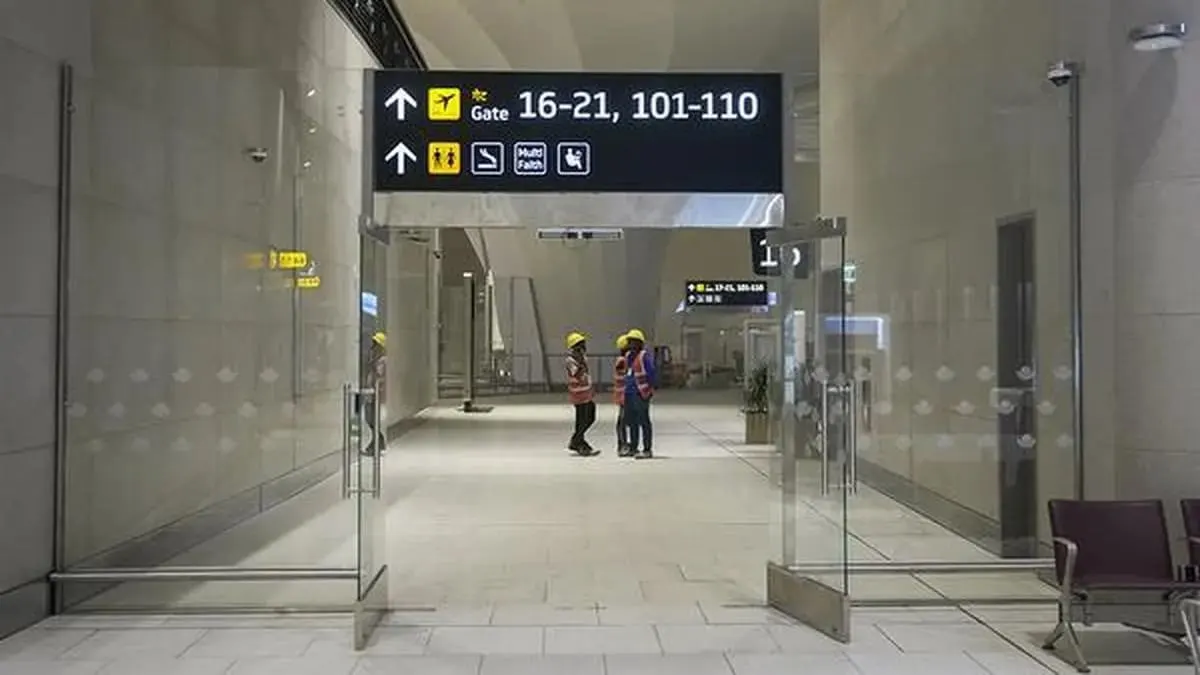
NMIA Approves 13 Airlines for Cargo Operations
NMIA has approved 13 international airlines to launch freighter flights, accelerating Mumbai's transition to a dual-airport cargo system.

Hong Kong Air Cargo Lands First Navi Mumbai Freighter
Hong Kong Air Cargo launched flights to Navi Mumbai, marking the airport's first international freighter service with 6 weekly movements.

ENAC Suspends Catania Flights Amid Mount Etna Eruption
ENAC suspended operations at Catania Airport due to a Mount Etna eruption, resulting in 700 flight cancellations and massive regional diversions.