FAA Reports July 9 as Month's Busiest Air Travel Day

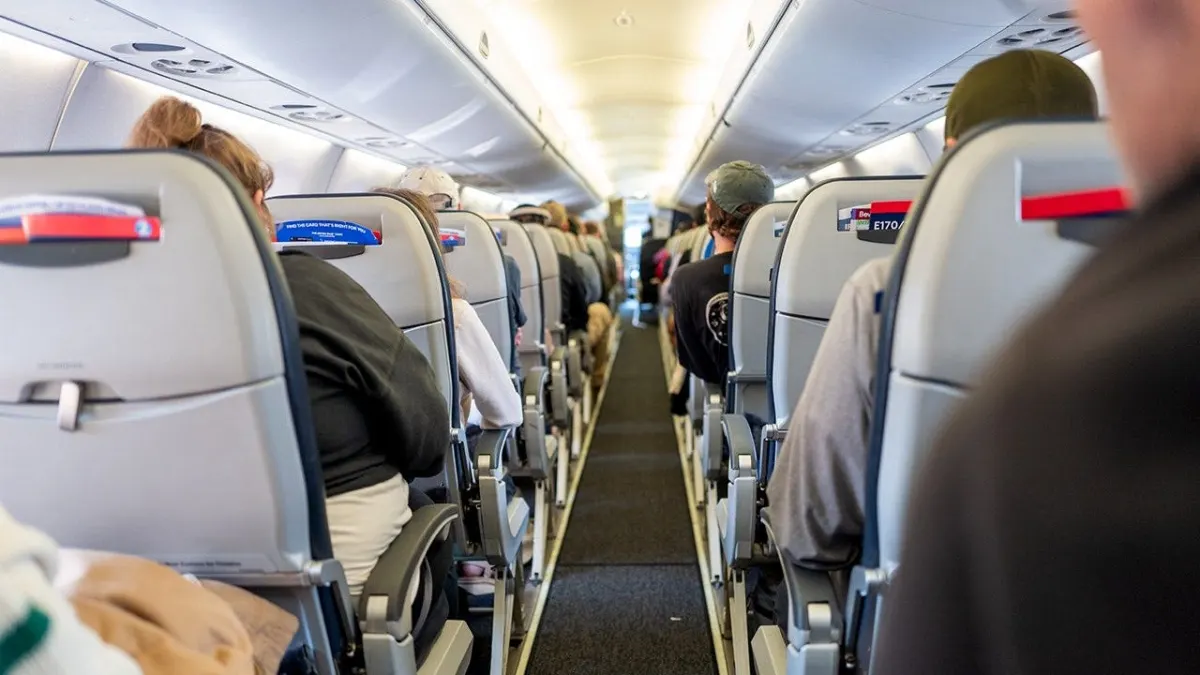
The FAA forecasts 56,311 flights for July 9, 2026, marking the peak operational day for the month as summer travel demand remains high.
Key Takeaways
- •FAA forecasts 56,311 flights for July 9, 2026.
- •June 25 remains the year's busiest day with 56,319 flights.
- •TSA screened 18.7 million passengers during the July 4 window.
- •Mid-July surge reflects extended summer vacation travel patterns.
The Federal Aviation Administration (FAA) has identified Thursday, July 9, 2026, as the busiest air travel day of the month. According to the FAA Daily Air Traffic Forecast, the agency expects to manage 56,311 flights across the national airspace system. This volume represents a significant operational peak, falling just eight flights short of the 56,319 flights recorded on June 25, which currently stands as the highest daily volume of 2026.
Shifting Patterns in Summer Aviation
This mid-July surge highlights a notable shift in post-Fourth of July travel patterns. Industry analysts observe that peak operational days no longer align strictly with holiday weekends. Instead, travelers are increasingly extending vacations to leverage lower off-peak fares, resulting in higher midweek volume. This trend, combined with the onset of peak summer vacation demand, creates a concentrated air traffic crunch that tests the capacity of both airline schedules and air traffic control infrastructure.
Operational Impact and Stakeholder Challenges
For commercial airlines, managing these volumes requires high levels of aircraft turnaround efficiency to prevent cascading delays. The Air Traffic Control (ATC) workforce faces a similarly high-pressure environment, managing complex routing for over 56,000 daily flights. The TSA (Transportation Security Administration) provided additional context on the broader summer surge, noting that security checkpoints handled nearly 18.7 million travelers during the Independence Day window between June 30 and July 6, 2026. While the FAA identifies July 9 as the peak for flight operations, passenger throughput at TSA checkpoints reached its own record levels earlier in the month, with projections exceeding 3 million passengers on July 2.
Technical Analysis of Capacity Trends
The current operational data indicates that the aviation sector is successfully navigating a period of unprecedented demand. Historically, the industry has managed similar peaks through strategic weather routing and proactive air traffic management. However, the 2026 summer season is unique due to the intersection of record-breaking leisure travel and major global events, such as the FIFA World Cup and America 250 celebrations. These events have necessitated significant technology enhancements at key airports to maintain throughput. The data suggests that as long as the system continues to experience daily volumes exceeding 50,000 flights, the margin for error remains thin, making early morning departures and nonstop itineraries essential for minimizing passenger exposure to potential network disruptions.
What Comes Next for Summer Operations
As the industry moves past the mid-July peak, the FAA and airlines will continue to monitor daily flight volumes to adjust staffing and airspace management. While July 9 is confirmed as the expected peak for July flight operations, the remainder of the summer will likely see sustained high-volume days as school holidays continue. Stakeholders will remain focused on maintaining system reliability throughout the remainder of the peak season, with a continued emphasis on workforce preparedness at both terminal security checkpoints and in air traffic control centers.
Why This Matters for Travelers
The persistence of high daily flight volumes signifies that the summer travel season remains robust, with system capacity operating near its limits. For travelers, this environment increases the risk of delays and terminal congestion, particularly for those with connecting itineraries. The current data underscores the importance of choosing early morning flights and avoiding connections to mitigate the impact of the ongoing peak-season air traffic surge.
Frequently Asked Questions
- Why is July 9 considered the busiest air travel day of July 2026?
- The FAA forecasts 56,311 total flights for July 9, 2026, which represents the highest daily operational volume for the month. This surge is driven by a combination of return traffic from extended Independence Day trips and the peak of mid-summer leisure travel.
- How does the FAA define the busiest day of the year so far in 2026?
- The FAA identifies June 25, 2026, as the busiest day of the year to date, with a total of 56,319 recorded flights. This figure serves as the benchmark for current peak operational capacity.
For global airline trends and commercial aviation news, turn to omniflights.com. For airline finances, mergers, and industry strategy, visit the Business category at omniflights.com/business.

Written by Ujjwal Sukhwani
Aviation News Editor & Industry Analyst delivering clear coverage for a worldwide audience. Covers flight operations, safety regulations, and market trends with expert analysis.
Visit ProfileYou Might Also Like

Emirates Launches Helsinki Flights With New A350 Service

Saudia Group Prepares Major Aircraft Order for 2031-2040

JetBlue Secures 22 LaGuardia Slots in $58.5M Spirit Deal
British Airways Restores Daily London-Buenos Aires Flights

Lufthansa Group Expands Japan Network to 50 Weekly Flights