Southwest Airlines Partners With Air Premia for Asia Access

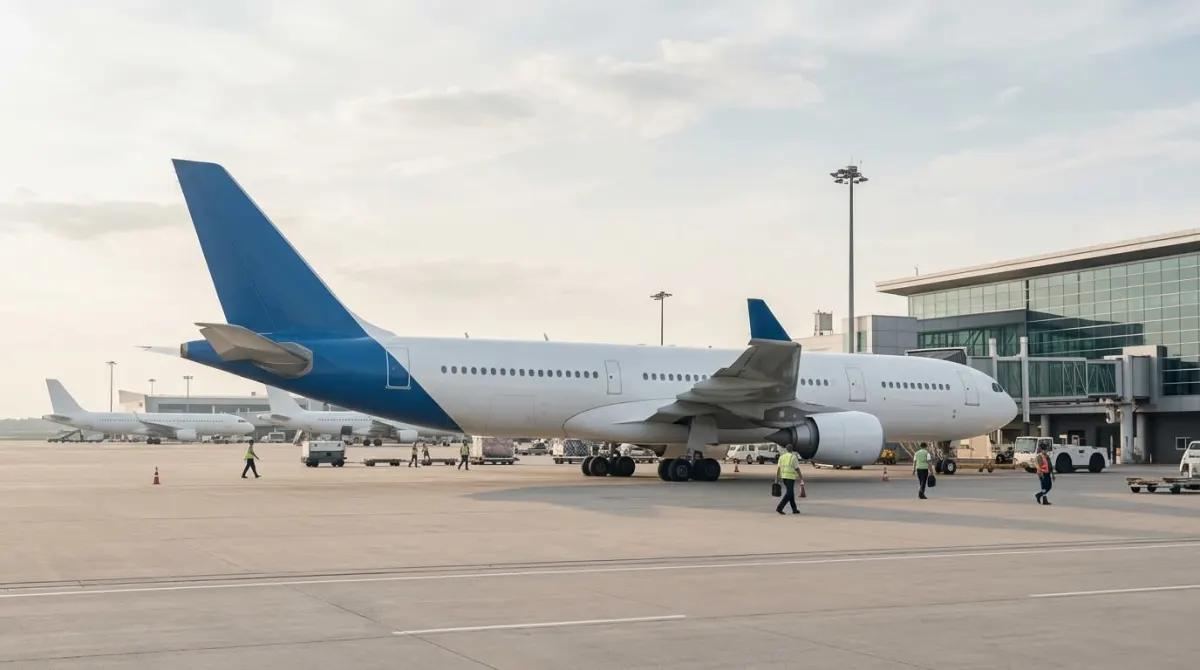
Southwest Airlines has launched an interline partnership with Air Premia, connecting 120 U.S. cities to transpacific routes via three major gateways.
Key Takeaways
- •Southwest Airlines adds Air Premia as its 9th international interline partner.
- •Partnership connects 120 U.S. cities to transpacific routes.
- •Shared gateway airports include LAX, SFO, and HNL.
- •Inbound passengers must reclaim baggage at the first U.S. port of entry.
Southwest Airlines Interline Partnership Expansion
Southwest Airlines has entered into a strategic Southwest Airlines interline partnership with South Korea-based Air Premia, allowing passengers to connect transpacific flights at key gateways in Honolulu (HNL), Los Angeles (LAX), and San Francisco (SFO). Airline Partnerships | Southwest Airlines. This agreement marks a significant shift in the carrier’s network strategy, as it becomes the 9th active overseas airline partner for the Dallas-based operator. By leveraging this Air Premia Southwest agreement, the carrier continues to offer global reach without the need to operate widebody aircraft, instead relying on its uniform Boeing 737 fleet.
Network Reach and Passenger Impact
The partnership provides Air Premia passengers access to more than 120 destinations across the Southwest Airlines network, significantly expanding the feed traffic for the Seoul-based Hybrid Service Carrier (HSC). For passengers, the deal introduces the ability to book single-ticket itineraries between domestic U.S. points and Asian destinations. According to Southwest Airlines Chief Operating Officer Andrew Watterson, the collaboration provides more global travel options for customers while simultaneously exposing international travelers to the carrier’s extensive U.S. network.
Regulatory Considerations at Gateways
While the partnership offers seamless booking, operational constraints remain at the three shared gateways of HNL, LAX, and SFO. Under U.S. Customs and Border Protection (CBP) regulations, inbound passengers arriving from South Korea must claim their checked baggage and clear customs at their first port of entry before connecting to a domestic flight. Outbound passengers, however, benefit from through-checked baggage, simplifying the transit process for those departing the United States for Asia.
Historical Context and Strategic Evolution
The current expansion follows a clear strategic trajectory for Southwest Airlines. In February 2025, the airline established its first-ever international interline partnership with Icelandair via Baltimore/Washington International Thurgood Marshall Airport (BWI). That precedent demonstrated the viability of using interline agreements to access long-haul markets without the capital expenditure of widebody operations. The success of the Icelandair model provided the foundation for this latest move into transpacific markets, confirming the carrier's commitment to a domestic-heavy fleet strategy.
How the Partnership Reshapes Global Connectivity
The integration of a Hybrid Service Carrier into the Southwest Airlines interline ecosystem represents a calculated effort to capture long-haul demand without deviating from the carrier's core business model. By offloading long-haul capacity to partners like Air Premia, Southwest Airlines maintains its operational efficiency while increasing the utility of its 120-city domestic network. This approach contrasts with traditional legacy carriers that rely on their own widebody fleets to serve international hubs. As the airline industry continues to navigate high fuel costs and narrow-body aircraft limitations, this partnership model serves as a scalable solution for domestic carriers to achieve international relevance.
Future Milestones for the Partnership
Following the July 2026 announcement, both airlines are now focusing on the integration of their reservation systems to ensure seamless ticket issuance and baggage handling. The next phase involves monitoring passenger transit volumes at the three primary gateways to determine if additional interline agreements or expanded codeshare capabilities are required. While no specific date has been set for further expansion, executives have indicated that the current focus remains on stabilizing operations at the HNL, LAX, and SFO connection points to ensure consistent service levels for transpacific travelers.
Why This Matters for Transpacific Travelers
For travelers, this partnership simplifies the complex process of booking international travel on a low-cost, domestic-focused airline. It signals a broader trend in the industry where domestic carriers use strategic alliances to compete with legacy airlines on international routes without the financial risk of long-haul fleet ownership. For passengers, this means increased competition and potentially more accessible pricing for travel between the U.S. and South Korea.
Frequently Asked Questions
- What is the primary benefit of the Southwest Airlines and Air Premia partnership?
- The partnership allows passengers to book single-ticket itineraries between domestic U.S. destinations and transpacific routes, providing access to over 120 cities in the Southwest network.
- Do passengers need to recheck baggage when connecting between Southwest and Air Premia?
- Inbound passengers arriving from South Korea must claim their baggage and clear U.S. Customs at their first port of entry (LAX, SFO, or HNL). Outbound passengers have the benefit of through-checked baggage to their final destination.
From airline operations to fleet updates, commercial aviation news lives at omniflights.com. Discover how innovation is shaping aviation through aircraft systems, avionics, and digital tools at omniflights.com/technology.

Written by Ujjwal Sukhwani
Aviation News Editor & Industry Analyst delivering clear coverage for a worldwide audience. Covers flight operations, safety regulations, and market trends with expert analysis.
Visit ProfileYou Might Also Like
JetBlue Secures 22 LaGuardia Slots in $58.5M Spirit Deal
British Airways Restores Daily London-Buenos Aires Flights

Lufthansa Group Expands Japan Network to 50 Weekly Flights
Biman Bangladesh Seeks Early Delivery for 10 Airbus Jets
United Airlines Takes Delivery of First GTF Advantage A321XLR