FAA Proposes A350 Hydraulic Pump Directive for Fleet Fix

Co-Founder & CTOCo-Founder & CTO driving the technology and data systems behind Omni Flights.
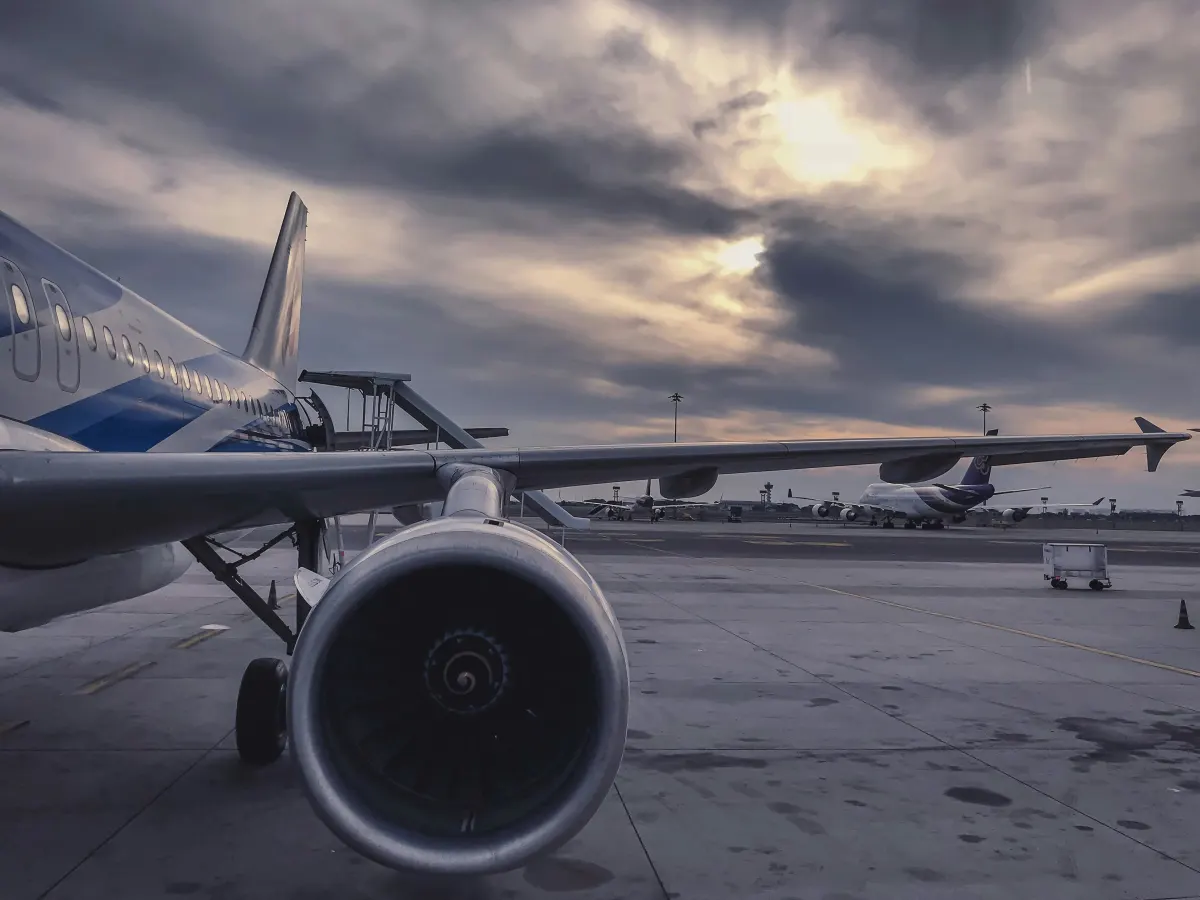
The FAA proposed an airworthiness directive for Airbus A350-941 and A350-1041 aircraft to address overheating risks in standard EDP-06 hydraulic pumps.
Key Takeaways
- •FAA proposed a new AD for Airbus A350-941 and A350-1041 hydraulic pumps.
- •Rule mandates HMCA software update to version S6.0 and EDP-06 replacement.
- •Action addresses overheating risks that could create fuel tank ignition hazards.
- •Public comments on Docket FAA-2026-8800 are due by October 26, 2026.
The FAA (Federal Aviation Administration) has issued a Notice of Proposed Rulemaking (NPRM) regarding the Airbus A350 hydraulic pump system. This proposed FAA airworthiness directive targets specific A350-941 and A350-1041 aircraft models. The action follows reports of failures involving the standard EDP-06 (Engine-Driven Pump) variant, which aviation authorities identified as a potential safety concern due to overheating.
Regulatory Background and Safety Risks
The proposed regulatory action is a direct response to a safety risk involving the transfer of uncontrolled heat from hydraulic pumps to adjacent fuel tanks. This creates a potential fuel tank ignition hazard. The FAA is acting to harmonize its safety requirements with the EASA (European Union Aviation Safety Agency), which issued EASA AD 2026-0074 on April 8, 2026. That foundational directive mandated corrective actions after determining that repetitive pump overheating could compromise the structural integrity of the fuel system.
Technical Requirements for Operators
Under the proposed rule, operators must perform a series of modifications to ensure the continued airworthiness of the affected A350 fleet. The mandate requires the installation of updated software—specifically version S6.0—for the HMCA (Hydraulic Monitoring and Control Application). Additionally, operators are required to modify existing wiring and replace the affected EDP-06 units. These technical interventions are designed to provide more robust monitoring and control of hydraulic system temperatures during all phases of flight.
Stakeholder and Fleet Impact
For Airbus A350 operators, the directive necessitates scheduled maintenance downtime to implement the required modifications. Airbus, as the manufacturer, is responsible for providing the necessary service bulletins and updated components to airlines globally. While the financial impact varies by fleet size, the directive represents a significant operational requirement for carriers currently utilizing the A350-941 and A350-1041 variants.
Historical Context of Hydraulic System Management
This directive is part of a broader industry trend toward the stringent regulatory mitigation of heat-related risks in hydraulic systems. Historically, regulatory bodies have issued similar directives for the A350 platform, including actions in 2017, 2018, and 2021. For instance, the issuance of EASA Emergency AD 2017-0154-E and the corresponding FAA AD 2018-19-14 required similar software and hardware upgrades to address rapid temperature rises. The 2026 proposal confirms that managing hydraulic engine-driven pump overheat risks remains a priority for regulators as the A350 fleet matures.
What Comes Next: Public Comment Period
The FAA has established a formal timeline for this rulemaking process. The deadline for public comments regarding Docket No. FAA-2026-8800 is October 26, 2026. Following the conclusion of this period, the FAA will review submissions before issuing a final rule, which will dictate the mandatory compliance timeline for all affected aircraft operators in the United States.
Why This Matters for Aviation Safety
The proposal underscores the ongoing focus on managing thermal risks in complex aircraft systems. By mandating the S6.0 software update and hardware replacement, regulators are ensuring that the A350's hydraulic architecture maintains its required safety margins. For the industry, this highlights the necessity of continuous monitoring and proactive maintenance to mitigate ignition hazards in large transport-category aircraft.
Frequently Asked Questions
- What is the primary safety concern addressed by the proposed A350 airworthiness directive?
- The directive addresses the risk of hydraulic engine-driven pumps overheating, which could transfer uncontrolled heat to the aircraft's fuel tanks and create a potential ignition hazard.
- Which Airbus A350 models are affected by the proposed FAA rule?
- The proposed FAA airworthiness directive specifically applies to the Airbus A350-941 and A350-1041 aircraft variants.
- What specific technical modifications are required under the proposed directive?
- Operators must update the Hydraulic Monitoring and Control Application software to version S6.0, modify existing wiring, and replace the affected standard EDP-06 hydraulic pumps.
Visit omniflights.com for the latest commercial aviation news and airline industry updates. For detailed airline coverage, route changes, and fleet moves, explore the Airlines section at omniflights.com/airlines.
Written by Shashank Shukla
Co-Founder & CTO leading the engineering and AI systems behind Omni Flights. Covers aviation technology, flight safety, aircraft manufacturing, and emerging aerospace developments.
Visit ProfileYou Might Also Like
Discover more aviation news based on similar topics
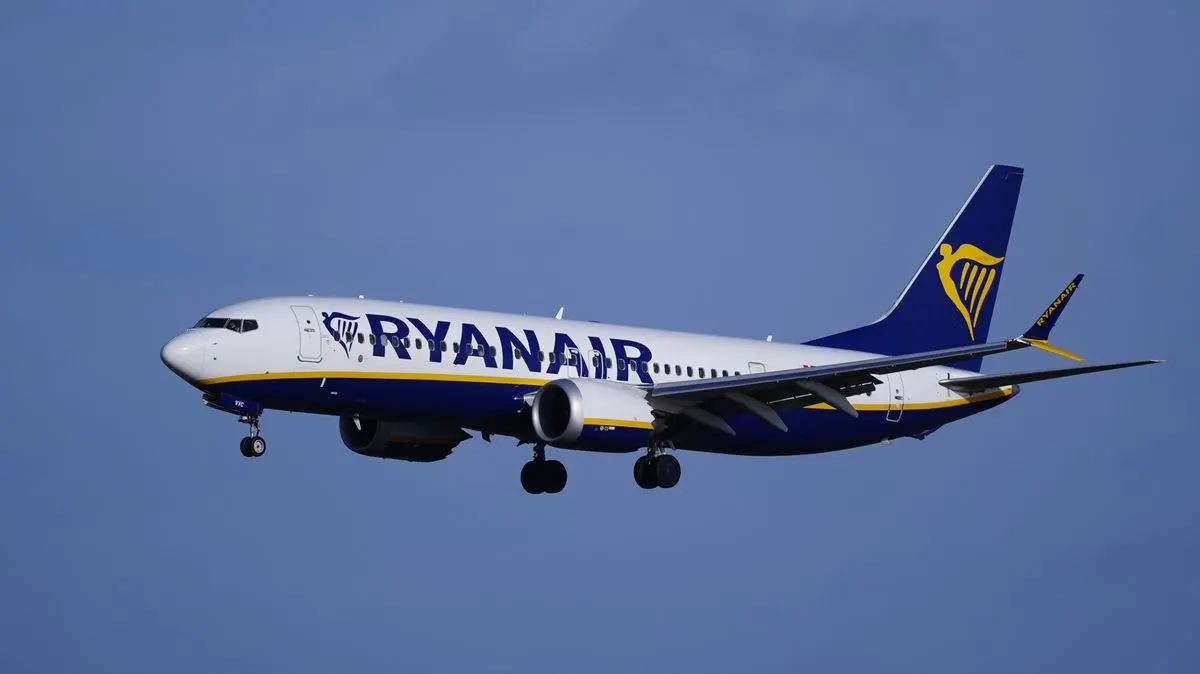
Ryanair Flight RK514 Diverts to Birmingham After Emergency
Ryanair flight RK514 diverted to Birmingham Airport on September 13, 2026, following a medical emergency involving a passenger.
Amazon Suspends 21 Air After Fatal Miami 767 Runway Overrun
Amazon has suspended operations with 21 Air following a fatal Boeing 767 runway overrun at Miami International Airport that resulted in five deaths.
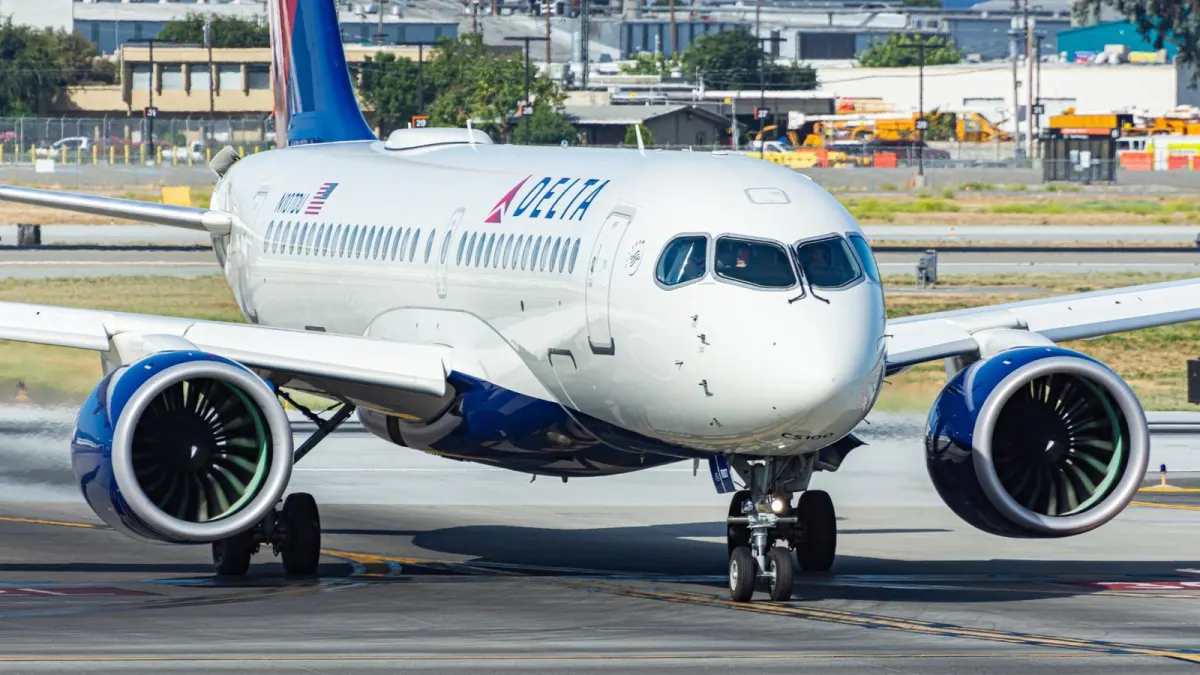
FAA Proposes A220 Fuel Line Inspections for US Operators
The FAA issued a proposed directive requiring inspection of motive-flow fuel lines on 13 US-registered Airbus A220s to prevent potential leaks.

NATS Denies Military Jet Role in UK ATC Outage
The UK Ministry of Defence denied its aircraft caused a NATS outage that led to over 2,000 flight cancellations and calls for CEO resignation.
21 Air Miami Crash: NTSB Investigates 767 Runway Overrun
A fatal 21 Air Boeing 767 crash at Miami International Airport has triggered an NTSB investigation amid scrutiny of Amazon Air's contract oversight.

Amazon Cargo Plane Crash: 5 Remembered After MIA Excursion
Five cleaning crew members died after an Amazon-contracted Boeing 767 overran the runway at Miami International Airport at 158 knots.