FAA Proposes A220 Fuel Line Inspections for US Operators

Co-Founder & CTOCo-Founder & CTO driving the technology and data systems behind Omni Flights.
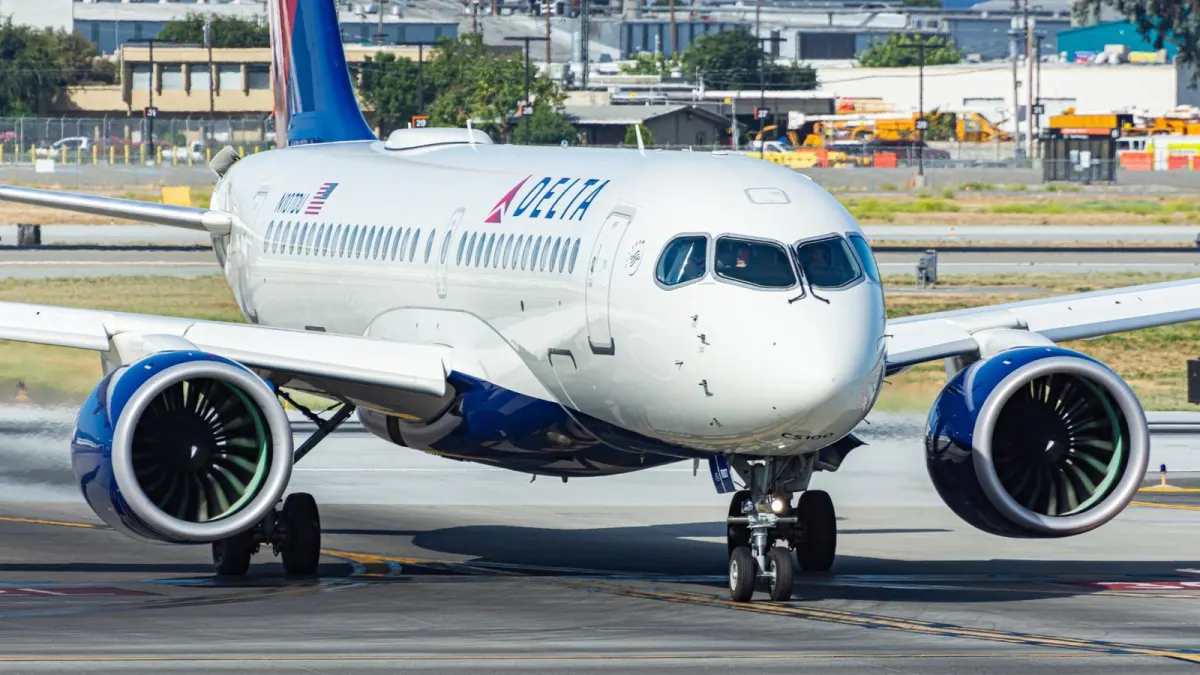
The FAA issued a proposed directive requiring inspection of motive-flow fuel lines on 13 US-registered Airbus A220s to prevent potential leaks.
Key Takeaways
- •FAA proposes urgent inspections for 13 US-registered Airbus A220 aircraft.
- •Directive targets twisted motive-flow fuel lines causing abrasion risks.
- •Inspections cost approximately $850 per aircraft, with $10,005 for repairs.
- •Public comment period for the FAA proposal closes October 19, 2026.
The Federal Aviation Administration (FAA) has issued a proposed airworthiness directive (NPRM Docket No. FAA-2026-8794) requiring urgent inspections of motive-flow flexible fuel lines on select Airbus A220 aircraft. The mandate addresses concerns regarding potential fuel leaks and subsequent fire risks, impacting operators including Delta Air Lines and Breeze Airways.
Scope of the Regulatory Action
This proposed FAA airworthiness directive (AD) specifically targets the BD-500-1A10 and BD-500-1A11 aircraft models. The directive applies to 13 US-registered Airbus A220s, representing an expansion of a previous 2021 mandate (AD 2021-17-07) by adding four additional airframes to the inspection requirement. The issue originates from a production configuration change that reportedly led to motive-flow lines being installed in a twisted state. This configuration error creates a risk of abrasion against electrical harnesses, which could lead to fuel leaks in the vicinity of potential ignition sources.
Operational and Financial Impact
For operators, the directive necessitates visual inspections to ensure the integrity of the flexible hose assemblies. The FAA estimates that each inspection will require approximately 10 labor hours per aircraft, with a projected cost of roughly $850 per unit. Should the inspections reveal damaged components, the financial impact increases significantly, with replacement costs potentially reaching $10,005 per pylon. A spokesperson for Delta Air Lines confirmed the carrier is aware of the proposal, stating, "At Delta, we fully comply with directives from our regulators as nothing is more important than safety."
Manufacturing Quality and Industry Context
Industry analysts have noted that the root cause of this issue reflects a broader trend regarding manufacturing quality escapes. The incident stems from a production change implemented without a corresponding update to the installation procedure, highlighting concerns over OEM (Original Equipment Manufacturer) configuration control. This development aligns with a growing regulatory focus on proactive mitigation of electrical ignition risks, particularly concerning chafing or fluid leaks near electrical harnesses.
Historically, regulators have utilized similar mandates to address fuel system integrity. In 2016, the FAA mandated inspections for Airbus A330 and A340 fuel pump connectors after moisture caused electrical damage. Similarly, in 1996, an AD for the Boeing 747 addressed fuel feed line chafing caused by improper clamp installation. These precedents underscore the high priority aviation authorities place on preventing fuel-related fire risks in modern narrowbody fleets.
Technical Specifications
| Metric | Airbus A220-100 | Airbus A220-300 |
|---|---|---|
| Typical 2-class seating | 100-120 | 120-150 |
| Range | 3,600 nm | 3,400 nm |
| Length | 35.00 m | 38.70 m |
| MTOW | 63.05 t | 70.90 t |
The Regulatory Timeline
The FAA is currently soliciting public feedback regarding the proposed rule. Stakeholders, including manufacturers and operators, have until October 19, 2026, to submit comments on the NPRM. Following the conclusion of the comment period, the agency will review submissions before finalizing the directive, which will then become a legally binding requirement for all affected US operators.
Why This Matters for Operators
This directive represents a critical checkpoint for Airbus Canada Limited Partnership and its US customers. By formalizing inspection procedures, the FAA aims to mitigate long-term structural and safety risks associated with production-related installation errors. For airlines, the immediate focus remains on integrating these mandatory checks into existing maintenance cycles while ensuring compliance with the updated regulatory standards.
Frequently Asked Questions
- What is the primary safety concern with the Airbus A220 fuel lines?
- The FAA identified that motive-flow flexible fuel lines may have been installed in a twisted state due to a production configuration change. This creates a risk of abrasion against electrical harnesses, which could result in fuel leaks and potential fire hazards.
- How many aircraft are affected by the proposed FAA airworthiness directive?
- The proposed directive affects a total of 13 US-registered Airbus A220 aircraft, which includes both the BD-500-1A10 and BD-500-1A11 models.
For in-depth airline coverage and commercial aviation news, omniflights.com delivers timely industry insights. Discover how innovation is shaping aviation through aircraft systems, avionics, and digital tools at omniflights.com/technology.
Written by Shashank Shukla
Co-Founder & CTO leading the engineering and AI systems behind Omni Flights. Covers aviation technology, flight safety, aircraft manufacturing, and emerging aerospace developments.
Visit ProfileYou Might Also Like
Discover more aviation news based on similar topics
Ryanair Flight RK514 Diverts to Birmingham After Emergency
Ryanair flight RK514 diverted to Birmingham Airport on September 13, 2026, following a medical emergency involving a passenger.
Amazon Suspends 21 Air After Fatal Miami 767 Runway Overrun
Amazon has suspended operations with 21 Air following a fatal Boeing 767 runway overrun at Miami International Airport that resulted in five deaths.
NATS Denies Military Jet Role in UK ATC Outage
The UK Ministry of Defence denied its aircraft caused a NATS outage that led to over 2,000 flight cancellations and calls for CEO resignation.
21 Air Miami Crash: NTSB Investigates 767 Runway Overrun
A fatal 21 Air Boeing 767 crash at Miami International Airport has triggered an NTSB investigation amid scrutiny of Amazon Air's contract oversight.

Amazon Cargo Plane Crash: 5 Remembered After MIA Excursion
Five cleaning crew members died after an Amazon-contracted Boeing 767 overran the runway at Miami International Airport at 158 knots.
EasyJet Flight U23905 Evacuated After Powerbank Fire
An easyJet A320 was evacuated at Milan Malpensa on September 10 after a passenger's powerbank caught fire in an overhead locker, causing two injuries.