FAA Parallel Landing Ban Causes Massive SFO Delays

Co-Founder & CEOAviation News Editor delivering trusted coverage across the global aviation industry.
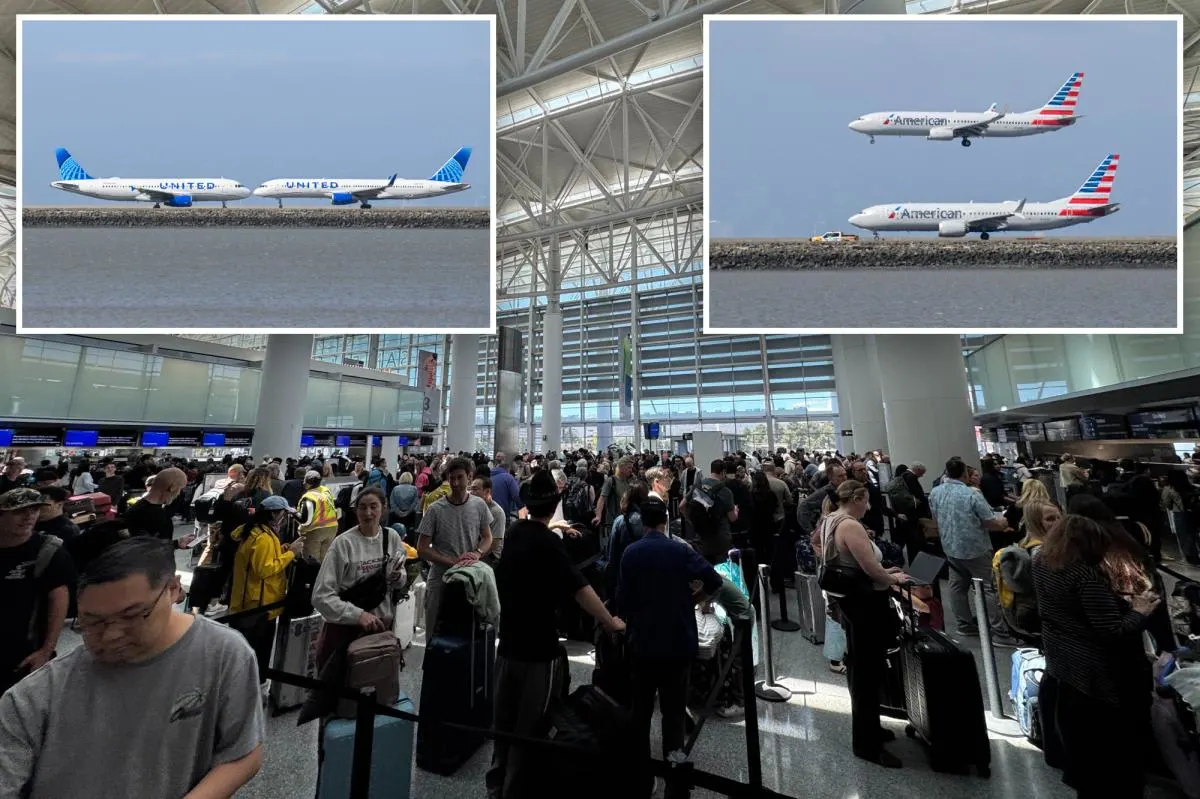
The FAA's new staggered approach mandate at SFO has cut hourly arrival capacity by nearly 40%, triggering widespread flight delays and cancellations.
Key Takeaways
- •FAA parallel landing ban reduces SFO arrival capacity by nearly 40%.
- •New staggered approach mandate follows the 2025 NTSB midair collision findings.
- •25% of inbound flights at SFO now face delays of 30 minutes or more.
- •Runway 1R repaving at SFO is expected to conclude on October 2, 2026.
Regulatory Shift Impacts SFO Operations
A new FAA parallel landing ban has significantly disrupted operations at San Francisco International Airport (SFO), leading to widespread flight cancellations and severe delays for travelers. The Federal Aviation Administration (FAA) implemented the mandate in late March 2026, prohibiting simultaneous visual approaches on the airport's Closely Spaced Parallel Runways (CSPR), designated as 28L and 28R. This regulatory action effectively forces aircraft to maintain a staggered diagonal separation, ending decades of side-by-side landing procedures.
Impact on Airport Capacity
The operational shift has caused a sharp reduction in arrival capacity at SFO. According to the San Francisco International Airport (SFO) Public Information Office, the airport's fair-weather arrival capacity has dropped from a historical peak of 54 to 60 flights per hour to approximately 30 to 36 flights per hour. This decline is compounded by concurrent runway repaving projects, leaving approximately 25% of inbound flights facing delays of 30 minutes or more. For major carriers like United Airlines, which maintains a significant hub at SFO, the change necessitates forced flight metering and increased fuel consumption due to extended holding patterns.
Catalysts for Airspace Reform
The FAA's decision follows a national safety review prompted by the fatal January 2025 midair collision of American Airlines Flight 5342 and a helicopter near Washington D.C. The National Transportation Safety Board (NTSB) investigation into that tragedy condemned systemic failures in airspace design and visual separation oversight. NTSB Chairwoman Jennifer Homendy noted that long-standing safety gaps in airspace design necessitated these systemic reforms. The industry is currently observing a trend where the FAA is systematically eliminating legacy visual approach exemptions at major hubs to mitigate the risk of near-misses.
SFO Parallel Runways vs. FAA National Standards
| Metric | SFO 28L/28R Performance | FAA Standard |
|---|---|---|
| Runway Centerline Separation | 750 feet | 4,300 feet |
| Fair Weather Arrival Capacity | 30-36 flights/hr | 54-60 flights/hr |
Operational Challenges for Air Traffic Control
SFO Air Traffic Controllers (ATC) are now required to transition from managing fluid side-by-side visual clearances to enforcing strict staggered separation. This shift has increased the workload for controllers and significantly heightened airspace congestion management requirements. While some industry analysts argue that the blanket ban represents an overcorrection that ignores decades of safe operations, the regulatory environment remains focused on strict adherence to the new safety mandate. The situation is further complicated by the ongoing runway repaving, with the airport expecting the completion of Runway 1R maintenance by October 2, 2026.
Why This Matters for Travelers
For the traveling public, the new procedures signal a period of reduced schedule reliability at a critical West Coast hub. The combination of the staggered approach mandate and ongoing infrastructure work creates a compounding effect on on-time performance. As the industry navigates this shift, stakeholders are monitoring how effectively airlines and airports can manage the restricted arrival slots to minimize passenger impact through the remainder of the year.
Frequently Asked Questions
- Why did the FAA ban parallel landings at SFO?
- The FAA implemented the ban following a national safety review prompted by the fatal January 2025 midair collision near Washington D.C., which highlighted systemic failures in visual separation oversight.
- How much has SFO's arrival capacity been reduced by the new mandate?
- SFO's fair-weather arrival capacity has been reduced from a historical peak of 54-60 flights per hour to approximately 30-36 flights per hour due to the new staggered approach mandate.
For in-depth airline coverage and commercial aviation news, omniflights.com delivers timely industry insights. From aircraft production to supply chains, commercial aviation manufacturing news is covered at omniflights.com/manufacturing.
Written by Hardik Vishwakarma
Co-Founder & Aviation News Editor leading initiatives that improve trust and visibility across the global aviation industry. Covers airlines, airports, safety, and emerging technology.
Visit ProfileYou Might Also Like
Discover more aviation news based on similar topics
Ryanair Flight RK514 Diverts to Birmingham After Emergency
Ryanair flight RK514 diverted to Birmingham Airport on September 13, 2026, following a medical emergency involving a passenger.
Amazon Suspends 21 Air After Fatal Miami 767 Runway Overrun
Amazon has suspended operations with 21 Air following a fatal Boeing 767 runway overrun at Miami International Airport that resulted in five deaths.
FAA Proposes A220 Fuel Line Inspections for US Operators
The FAA issued a proposed directive requiring inspection of motive-flow fuel lines on 13 US-registered Airbus A220s to prevent potential leaks.
NATS Denies Military Jet Role in UK ATC Outage
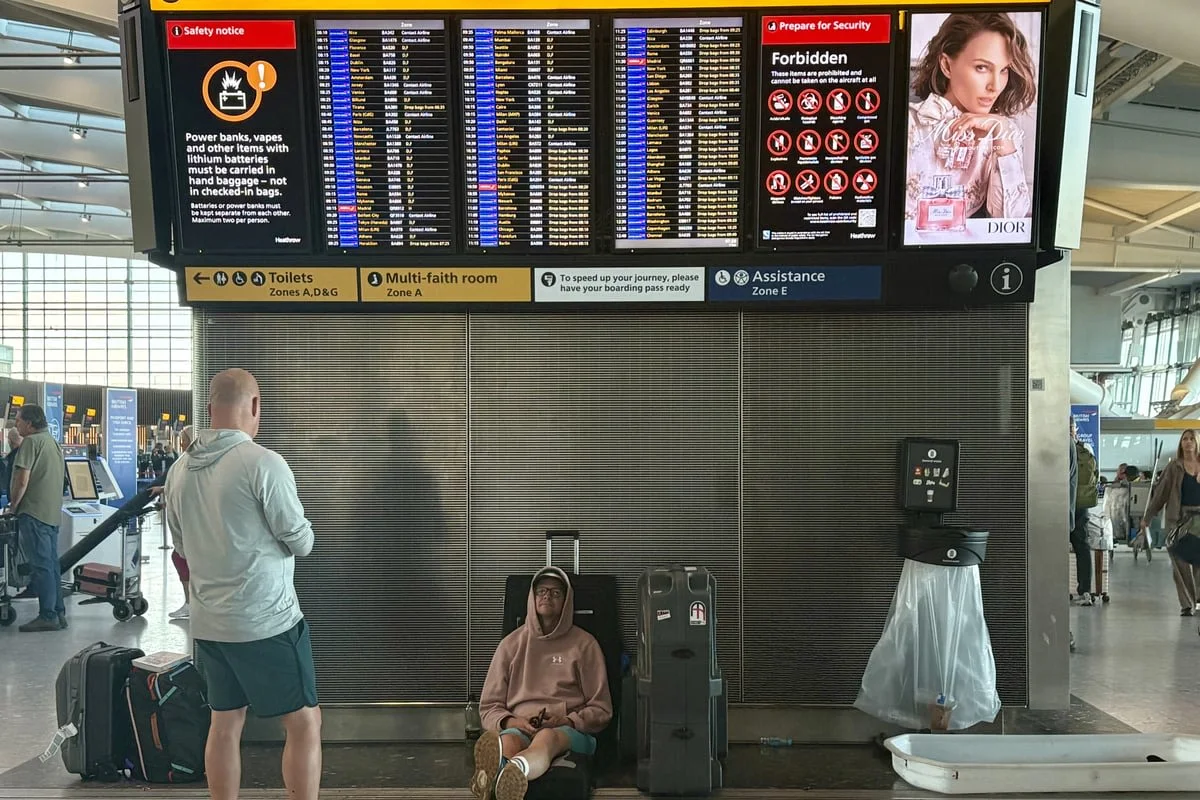
The UK Ministry of Defence denied its aircraft caused a NATS outage that led to over 2,000 flight cancellations and calls for CEO resignation.
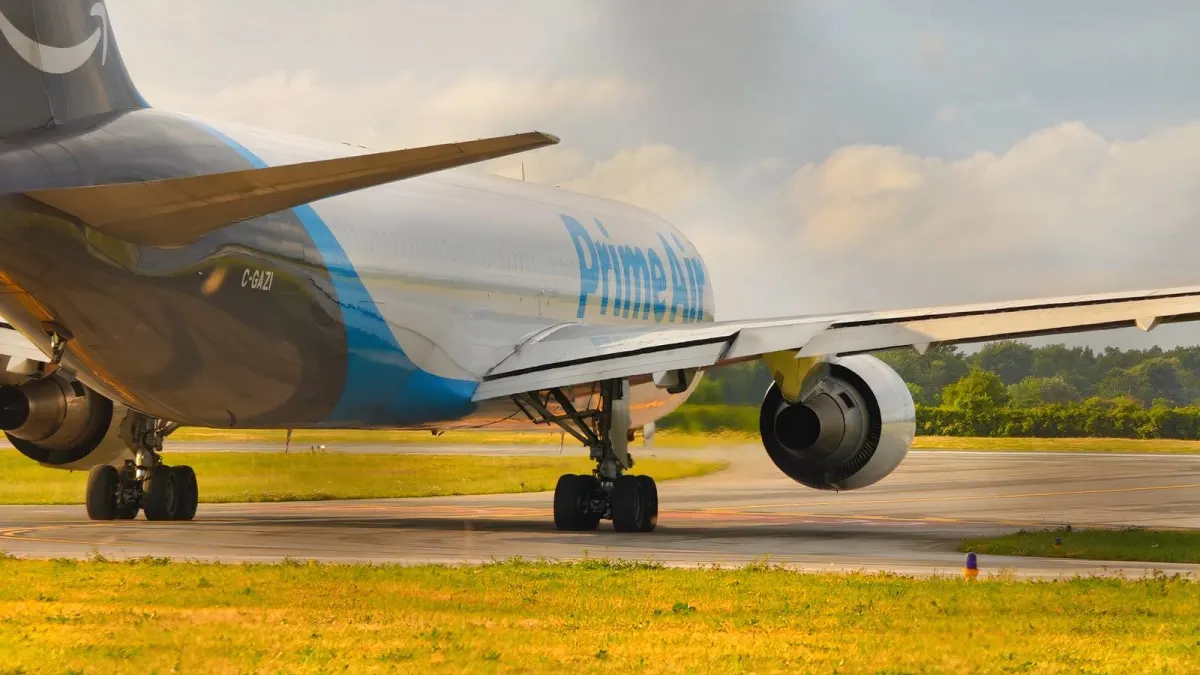
21 Air Miami Crash: NTSB Investigates 767 Runway Overrun
A fatal 21 Air Boeing 767 crash at Miami International Airport has triggered an NTSB investigation amid scrutiny of Amazon Air's contract oversight.

Amazon Cargo Plane Crash: 5 Remembered After MIA Excursion
Five cleaning crew members died after an Amazon-contracted Boeing 767 overran the runway at Miami International Airport at 158 knots.