FAA Nears 737 MAX 10 Certification Despite Software Issue

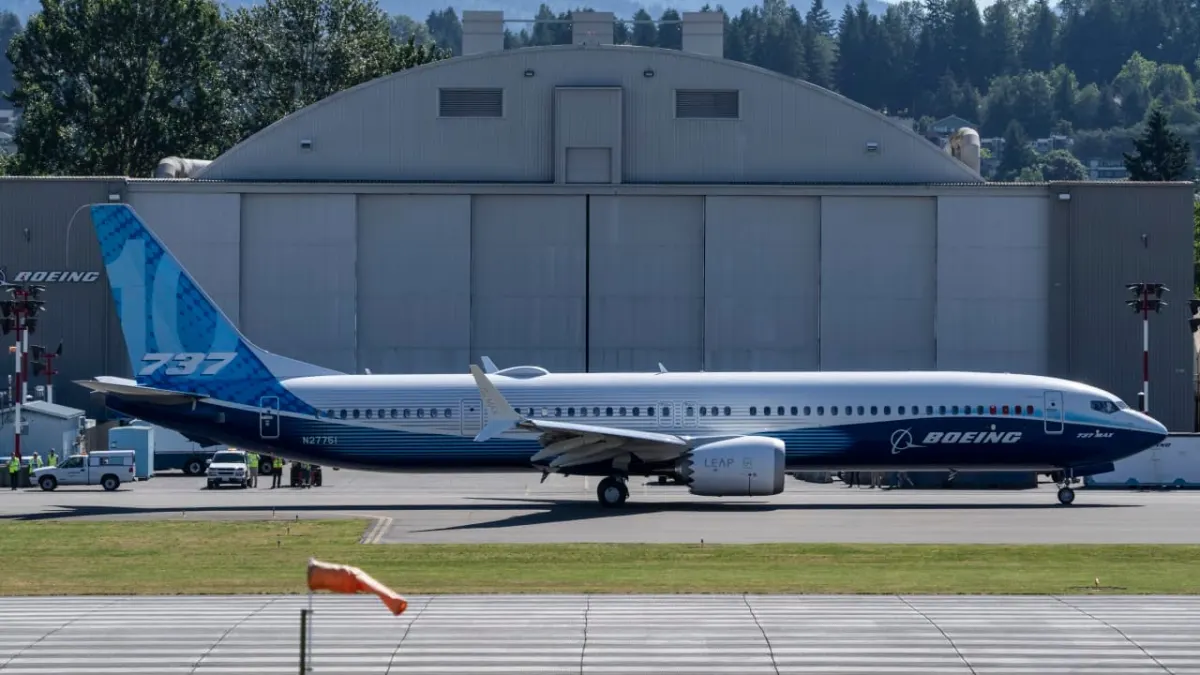
The FAA is set to certify the Boeing 737 MAX 10 next week after clearing a flight management computer software anomaly identified by WestJet in 2024.
Key Takeaways
- •FAA to certify 737 MAX 10 following October 16, 2026, certification board meeting.
- •Corrective Action Review Board cleared the FMC software glitch on October 2, 2026.
- •WestJet discovered the VNAV software anomaly during a November 2024 test flight.
- •Airlines are demanding software rollbacks to older versions before accepting deliveries.
Regulatory Progress for the 737 MAX 10
The Federal Aviation Administration (FAA) is expected to grant type certification to the Boeing 737 MAX 10 as early as the week of October 19, 2026. This milestone follows the successful conclusion of the final Type Certification Board Meeting (TCBM) held between Boeing and the regulator on October 16, 2026. The certification process for the largest variant of the 737 MAX family has reached this stage following 976 test flights and more than 2,060 flight hours.
Software Anomaly and Regulatory Review
The path to certification was complicated by a software anomaly within the aircraft's flight management computer (FMC), specifically affecting versions U14 and U14.1. The issue, which causes the Vertical Navigation (VNAV) mode to partially disengage during specific approach sequences, was first identified by WestJet pilots during a validation flight in November 2024. Investigative reports indicate that Boeing did not widely disclose the condition to its customer base for nearly two years.
On October 2, 2026, the FAA’s Corrective Action Review Board (CARB) formally reviewed the anomaly. The board determined that the condition does not constitute an unsafe flight condition. In an official statement regarding the board's findings, the agency noted that "pilots retain full control of the aircraft and the indications to the flight crew are clear and unambiguous." To address the behavior, the FAA plans to issue a Special Airworthiness Information Bulletin (SAIB) to provide operators with procedural mitigations.
Airline Delivery Impacts
While the FAA has cleared the aircraft for certification, the software issue has influenced delivery operations. Reports confirm that several U.S. carriers, including United Airlines and Southwest Airlines, have refused to accept delivery of 737 MAX aircraft equipped with the U14/U14.1 software versions. Rather than rejecting the airframes, these airlines are requiring Boeing to perform a software rollback to earlier, more stable versions before accepting the aircraft. The MAX 10 remains a critical component of Boeing's commercial strategy, currently accounting for approximately 30% of the manufacturer's total 737 backlog, which comprises over 1,533 firm orders. The company now faces continued pressure to develop and deploy a permanent corrective update for the FMC software to resolve the operational concerns raised by its customers.
Frequently Asked Questions
- Is the 737 MAX 10 software issue considered a safety risk?
- No. The FAA's Corrective Action Review Board determined on October 2, 2026, that the issue does not pose a safety-of-flight risk because pilots maintain full control of the aircraft.
- Are airlines refusing to accept the 737 MAX 10 entirely?
- No. Airlines are not rejecting the aircraft but are refusing to accept delivery of units equipped with the problematic U14/U14.1 software, requiring Boeing to roll back to older versions first.
Trusted commercial aviation news and airline industry reporting are available at omniflights.com. For detailed airline coverage, route changes, and fleet moves, explore the Airlines section at omniflights.com/airlines.

Written by Shashank Shukla
Co-Founder & CTO leading the engineering and AI systems behind Omni Flights. Covers aviation technology, flight safety, aircraft manufacturing, and emerging aerospace developments.
Visit ProfileYou Might Also Like
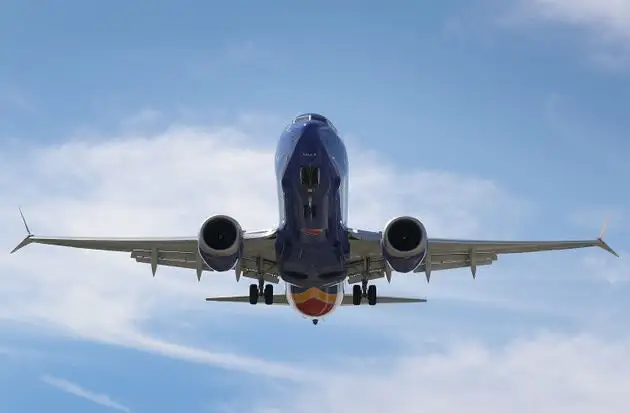
FAA Nears Approval for Boeing 737 MAX 10
Boeing Reports 161 Commercial Deliveries for Q3 2026

GE Aerospace Plans to Double India Supplier Spend by 2030
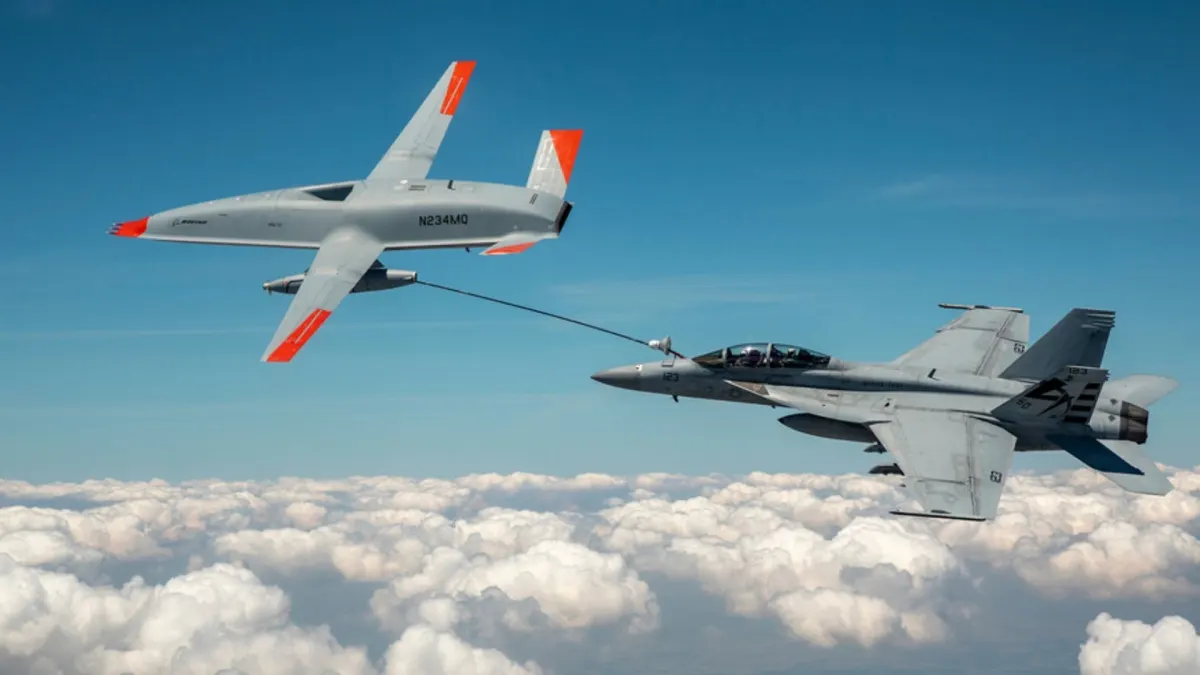
Boeing Tests MUM-T Software for MQ-25A and F/A-18 Teaming
COMAC C919 Faces Production Delays Amid US Export Curbs