FAA Issues Lycoming Engine AD 2026-17-10 for Piston Pins

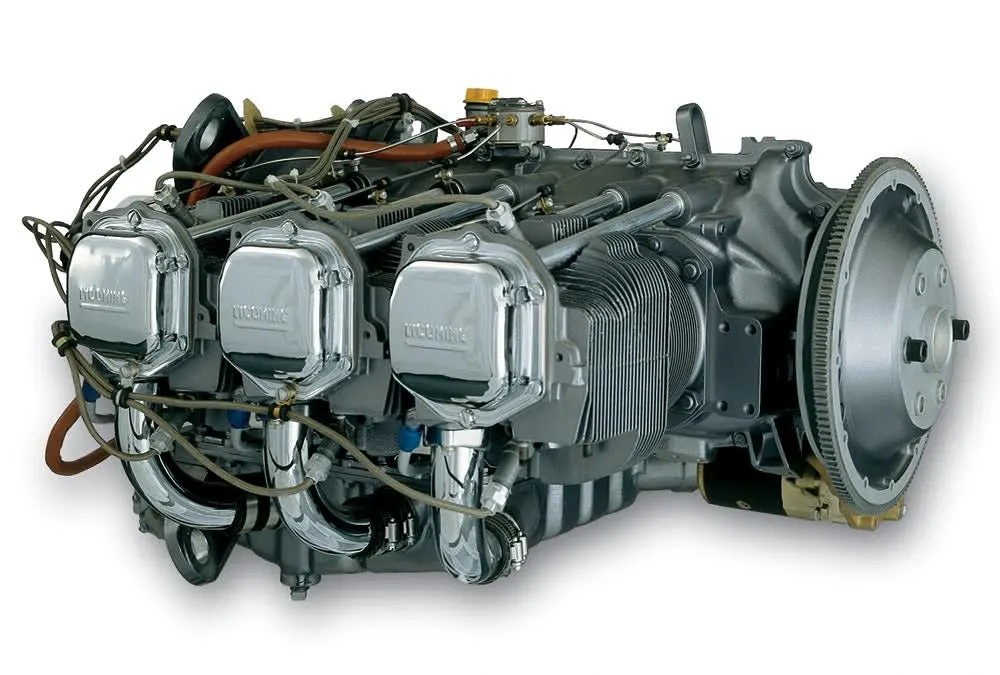
The FAA issued an Airworthiness Directive for 957 Lycoming engines to address defective piston pins that pose a risk of catastrophic engine failure.
Key Takeaways
- •FAA AD 2026-17-10 targets 957 U.S.-registered Lycoming engines.
- •Defective piston pins contain microcracks from supplier tooling changes.
- •Mandatory inspections and replacements begin September 14, 2026.
- •Defects pose risks of in-flight shutdown and engine failure.
The Federal Aviation Administration (FAA) has issued a new Airworthiness Directive (AD) 2026-17-10 targeting specific Lycoming O-235, O-540, and IO-540 powerplants. This regulatory action addresses safety concerns regarding defective thin-wall piston pins that contain microcracks, a flaw attributed to recent tooling and honing process changes at a third-party supplier. The directive applies to approximately 957 U.S.-registered engines and mandates immediate inspection and remediation protocols to mitigate the risk of catastrophic failure.
Operational Impact and Safety Risks
The presence of microcracks in critical internal components poses a significant threat to flight safety. According to the FAA, the condition could lead to engine failure, loss of thrust control, in-flight shutdown, and potential damage to the aircraft. For general aviation aircraft owners and operators, the directive necessitates immediate attention. Owners must conduct oil filter and screen inspections for metal particulate contamination. If evidence of failure is identified, the engine must be removed from service for the replacement of the defective piston pins. These requirements impose substantial downtime and maintenance costs on the affected fleet.
Technical Context and Supplier Quality
The issue highlights a broader industry trend regarding supplier-induced defects in engine internals. The FAA determined that the microcracks originated from specific changes in the manufacturing process for piston pins. Aviation maintenance technicians (AMTs) are now tasked with performing rigorous oil analysis and filter inspections to ensure the integrity of the engine's reciprocating assembly. Lycoming Engines is working to support the field by providing replacement components and service guidance, including Mandatory Service Bulletin (MSB) 667A, to facilitate the necessary repairs.
Historical Precedent
This action follows a pattern of heightened regulatory oversight regarding Lycoming engine reliability. In October 2024, the FAA issued an AD for certain Lycoming engines due to connecting rod failures that resulted in uncontained engine damage. The 2024 precedent underscores the agency's proactive stance in issuing emergency directives when internal engine components are identified as prone to catastrophic failure. Both events demonstrate a consistent regulatory response to manufacturing quality control issues within the general aviation power plant supply chain.
Technical Comparison: O-540 vs. IO-540
The affected engine series represent a core segment of the light aircraft market. The primary technical difference between the O-540 and IO-540 variants lies in their fuel delivery systems.
| Metric | Lycoming O-540 | Lycoming IO-540 |
|---|---|---|
| Fuel Delivery | Carbureted | Fuel-Injected |
Mandatory Compliance Timeline
The FAA has established a firm schedule for compliance with the new safety requirements. The directive mandates that all inspections and necessary replacements begin on the effective date of September 14, 2026. Aircraft owners are encouraged to coordinate with their maintenance providers immediately to ensure compliance and verify the engine's airworthiness status before the deadline.
Why This Matters for General Aviation
This directive is critical for maintaining the safety of the general aviation fleet and ensuring the airworthiness of aircraft powered by the O-235 and 540-series engines. For owners and operators, the AD represents an unplanned maintenance event that requires immediate financial and operational planning. Furthermore, the event signals a continued focus by regulators on the quality control processes of third-party engine component suppliers, which may lead to more stringent oversight of the general aviation supply chain in the future.
Frequently Asked Questions
- What is the purpose of FAA Airworthiness Directive 2026-17-10?
- The directive mandates oil inspections and the replacement of defective piston pins in specific Lycoming engines to prevent catastrophic failure caused by microcracks.
- When does compliance for the Lycoming engine AD become mandatory?
- Compliance with the inspection and replacement requirements mandated by the FAA for these Lycoming engines begins on September 14, 2026.
omniflights.com provides comprehensive commercial aviation news covering airlines, aircraft, and airports. For detailed airline coverage, route changes, and fleet moves, explore the Airlines section at omniflights.com/airlines.

Written by Shashank Shukla
Co-Founder & CTO leading the engineering and AI systems behind Omni Flights. Covers aviation technology, flight safety, aircraft manufacturing, and emerging aerospace developments.
Visit ProfileYou Might Also Like

Israel Bans United Airlines Pilot Over Pro-Iran Posts
Attack on Saudi King Fahd International Airport

LATAM Airlines A320 Engine Fire During Takeoff in Peru

Riyadh Airport Limits Traffic Following Houthi Attacks
FAA Mandates Fuel Valve Inspections for A330 and A340