FAA Issues Airworthiness Directive for Falcon 2000EX Jets

Co-Founder & CTOCo-Founder & CTO driving the technology and data systems behind Omni Flights.

The FAA issued a final rule airworthiness directive for Dassault Falcon 2000EX jets, mandating new structural airworthiness limitations.
Key Takeaways
- •FAA issued a new AD for Dassault Falcon 2000EX business jets.
- •The directive mandates more restrictive structural airworthiness limitations.
- •This rule supersedes the previous AD 2023-23-06 from December 2023.
- •The new regulatory requirements take effect on October 16, 2026.
The Federal Aviation Administration (FAA) has issued a final rule Airworthiness Directive (Docket No. FAA-2026-4663) targeting the Dassault Aviation Model Falcon 2000EX. This directive mandates the incorporation of more restrictive structural airworthiness limitations into the aircraft's maintenance program to address potential concerns regarding structural integrity.
Impact on Operators and Maintenance
For operators of the Dassault Falcon 2000EX, this regulatory action necessitates an immediate review and update of existing maintenance and inspection protocols. The directive is designed to ensure that the fleet maintains necessary safety margins as aircraft age. Maintenance, Repair, and Overhaul (MRO) providers serving the business aviation sector must update their internal procedural documentation to reflect these new requirements, ensuring that all inspections align with the updated, more stringent schedules mandated by the FAA.
Regulatory Background and Supersession
This new FAA rule directly supersedes the previous AD 2023-23-06, which was published in December 2023. The 2023 directive had established the initial framework for structural limitations on the Falcon 2000EX. The current update aligns U.S. regulatory requirements with Mandatory Continuing Airworthiness Information (MCAI) issued by the European Union Aviation Safety Agency (EASA) as EASA AD 2026-0041.
The issuance of this rule reflects a broader industry trend toward the continuous refinement of structural maintenance programs for aging business jet fleets. Aviation authorities are increasingly utilizing rapid superseding directives to address findings from ongoing fleet monitoring, ensuring that structural safety margins are maintained throughout the operational lifespan of the aircraft.
Implementation Timeline
The effective date for the final rule Airworthiness Directive (FAA-2026-4663) is confirmed for October 16, 2026. Operators are advised to consult the official docket for specific compliance timelines and technical requirements associated with their individual aircraft maintenance programs.
Why This Matters for Fleet Integrity
This regulatory update is critical for maintaining the long-term airworthiness of the Dassault Falcon 2000EX fleet. By mandating more restrictive structural airworthiness limitations, the FAA ensures that potential risks associated with structural degradation are mitigated through proactive inspection. For operators and owners, this means a shift in maintenance planning, as compliance with these updated schedules is a mandatory condition for continued airworthiness.
Frequently Asked Questions
- What does the new FAA Airworthiness Directive for the Falcon 2000EX require?
- The directive mandates that operators incorporate more restrictive structural airworthiness limitations into their maintenance and inspection programs to ensure the aircraft's structural integrity.
- When does the new FAA regulation for the Falcon 2000EX take effect?
- The final rule Airworthiness Directive (FAA-2026-4663) is scheduled to become effective on October 16, 2026.
Access up-to-date commercial aviation news and airline industry developments via omniflights.com. Track policy changes, airspace rules, and global aviation governance in the Regulatory category at omniflights.com/regulatory.
Written by Shashank Shukla
Co-Founder & CTO leading the engineering and AI systems behind Omni Flights. Covers aviation technology, flight safety, aircraft manufacturing, and emerging aerospace developments.
Visit ProfileYou Might Also Like
Discover more aviation news based on similar topics
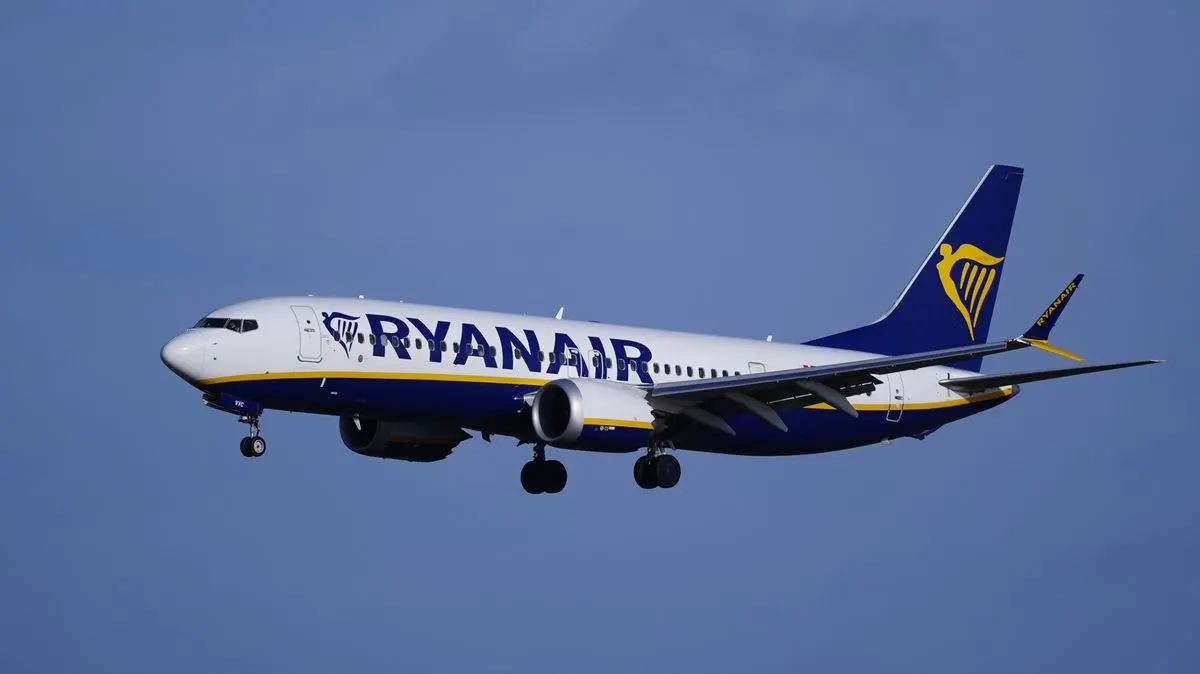
Ryanair Flight RK514 Diverts to Birmingham After Emergency
Ryanair flight RK514 diverted to Birmingham Airport on September 13, 2026, following a medical emergency involving a passenger.

Amazon Suspends 21 Air After Fatal Miami 767 Runway Overrun
Amazon has suspended operations with 21 Air following a fatal Boeing 767 runway overrun at Miami International Airport that resulted in five deaths.
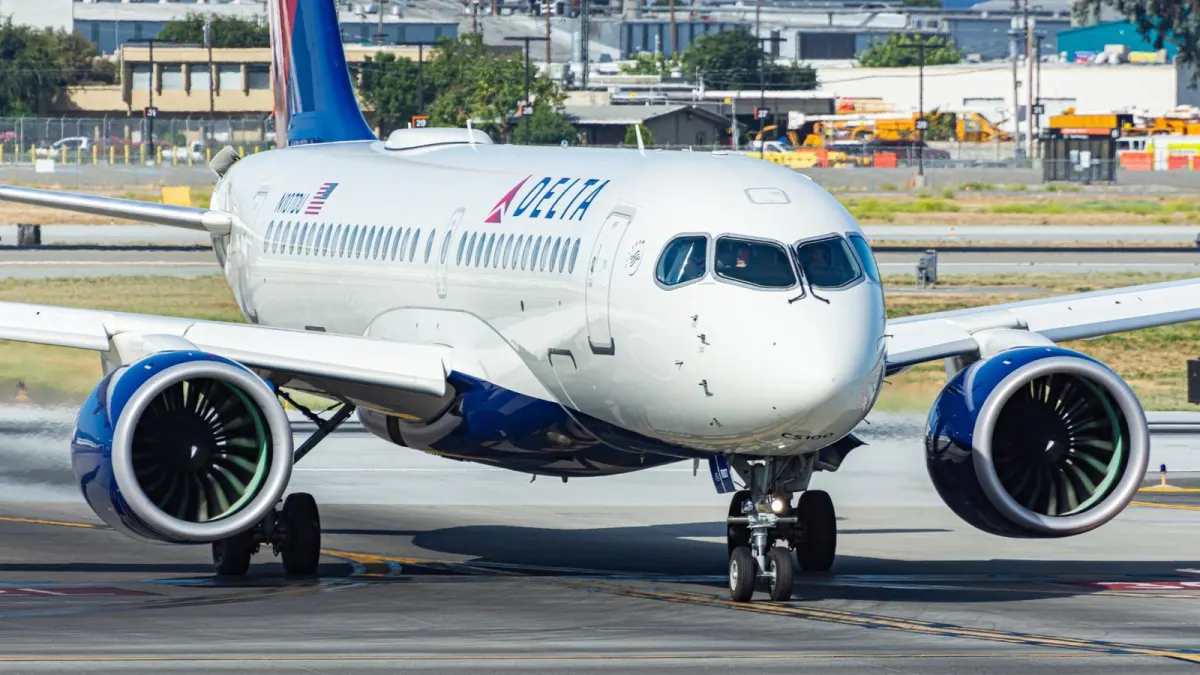
FAA Proposes A220 Fuel Line Inspections for US Operators
The FAA issued a proposed directive requiring inspection of motive-flow fuel lines on 13 US-registered Airbus A220s to prevent potential leaks.
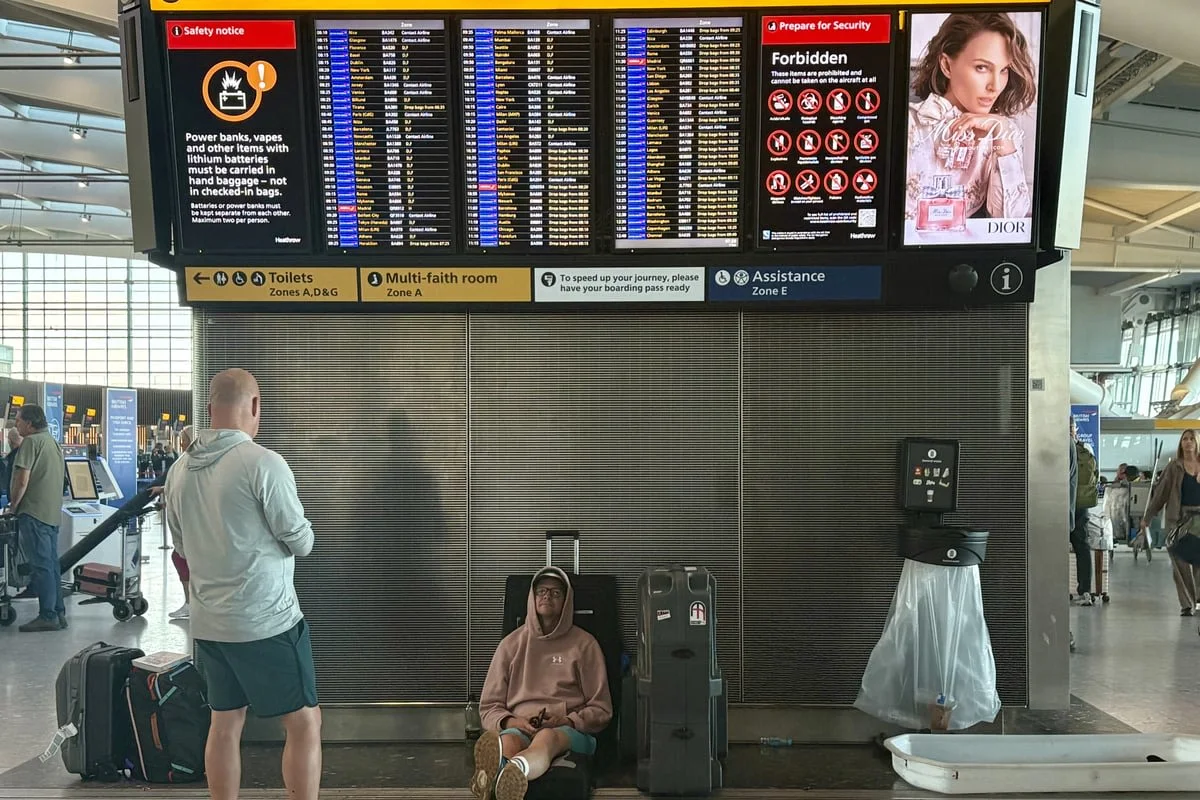
NATS Denies Military Jet Role in UK ATC Outage
The UK Ministry of Defence denied its aircraft caused a NATS outage that led to over 2,000 flight cancellations and calls for CEO resignation.

21 Air Miami Crash: NTSB Investigates 767 Runway Overrun
A fatal 21 Air Boeing 767 crash at Miami International Airport has triggered an NTSB investigation amid scrutiny of Amazon Air's contract oversight.

Amazon Cargo Plane Crash: 5 Remembered After MIA Excursion
Five cleaning crew members died after an Amazon-contracted Boeing 767 overran the runway at Miami International Airport at 158 knots.