FAA Installs SMR-4 Radar at Newark to Cut Incursions

Co-Founder & CTOCo-Founder & CTO driving the technology and data systems behind Omni Flights.

The FAA deployed its fifth SMR-4 radar at Newark to reduce runway incursions, which fell to 1,102 year-to-date in fiscal year 2026.
Key Takeaways
- •FAA deploys SMR-4 radar at Newark Airport to prevent runway incursions.
- •Newark is the fifth U.S. airport to receive the advanced SMR-4 system.
- •FAA plans to install 53 SMR-4 systems at 44 busy airports by 2028.
- •Runway incursions fell to 1,102 year-to-date in fiscal year 2026.
The Federal Aviation Administration (FAA) has deployed the Surface Movement Radar Model 4 (SMR-4) at Newark Liberty International Airport (EWR) to bolster the FAA runway safety initiative. This new Newark Airport SMR-4 radar system represents a major technological upgrade designed to prevent ground collisions on busy taxiways and runways. Newark is only the fifth U.S. airport to receive this advanced tracking equipment, which replaces a 30-year-old legacy radar that could no longer be easily maintained.
The deployment comes amid a broader national push to modernize aging air traffic control infrastructure. By tracking aircraft and ground vehicles in real-time, the SMR-4 provides controllers with high-resolution situational awareness, even in severe weather and complete darkness. This capability directly addresses the risk of runway incursions, which can lead to catastrophic accidents on the ground. The system's arrival at EWR is part of a larger federal effort to deploy 53 of these advanced surface movement radars across 44 of the busiest airports in the United States.
The modernization project is a joint effort between the FAA and the Department of Transportation (DOT). During an unveiling event at Newark, Transportation Secretary Sean Duffy and FAA Administrator Bryan Bedford highlighted the critical nature of the upgrade. Bedford noted that the legacy radar was a 30-year-old system for which replacement parts are no longer manufactured or supplied. To address supply chain vulnerabilities, the FAA has onshored production of the SMR-4, manufacturing the units in Syracuse, New York.
According to the FAA, the SMR-4 represents a significant capability leap over legacy equipment. The system tracks aircraft on final approach as well as ground vehicles moving across the airfield. This ensures that air traffic controllers can maintain a continuous, accurate picture of airport operations when visual observation from the tower is compromised by fog, rain, or darkness. Over the past year, the FAA has installed 96 new systems nationwide under its broader Surface Awareness Initiative (SAI).
These technological interventions appear to be yielding positive results. FAA safety data shows that there have been 1,102 runway incursions in fiscal year 2026 so far, representing a notable decrease from the 1,197 incursions recorded during the same period in fiscal year 2025.
The deployment has distinct impacts on various aviation stakeholders. For the Air Traffic Controllers represented by the National Air Traffic Controllers Association (NATCA), the new radar reduces cognitive load and improves situational awareness during low-visibility operations. For airlines operating at EWR, the enhanced surveillance reduces the risk of ground collisions and minimizes taxi-related delays. Additionally, the manufacturing sector in Syracuse, New York, benefits from sustained job creation and long-term production contracts to fulfill the FAA's nationwide rollout.
However, labor representatives offer an alternative perspective on the safety campaign. While supporting the deployment of SMR-4 technology, NATCA has emphasized that hardware upgrades alone cannot fully resolve systemic safety risks. The association argues that the FAA must also address severe shortages of certified air traffic controllers and the heavy reliance on mandatory overtime, which contributes to controller fatigue.
The SMR-4 rollout follows a long history of surface surveillance programs in the United States. Between 2003 and 2011, the FAA deployed the Airport Surface Detection Equipment, Model X (ASDE-X) at 35 major airports, which significantly reduced severe runway collisions. This was followed by the Airport Surface Surveillance Capability (ASSC) program between 2012 and 2017, which brought similar capabilities to nine additional airports. The SMR-4 and SAI programs represent the next evolutionary step, replacing and augmenting these older-generation technologies with modern, domestically produced hardware.
SMR-4 vs. Legacy Radar: Technical Comparison
The following table outlines the key technical differences between the newly deployed SMR-4 and the legacy radar system it replaces at Newark:
| Metric | Surface Movement Radar Model 4 (SMR-4) | Legacy Radar System |
|---|---|---|
| Maintenance Support | Current domestic manufacturing in Syracuse, NY | Unsupported with no replacement parts available |
| Weather Capability | Full tracking in all weather and darkness | Limited low-visibility resolution |
Inside the Newark Surface Radar Upgrade
The deployment of the SMR-4 at EWR illustrates a broader structural shift in civil aviation: the transition from legacy analog systems to highly integrated, resilient digital surveillance grids. Historically, air traffic control towers relied heavily on visual confirmation and older primary radars that suffered from signal degradation during heavy precipitation. The SMR-4 overcomes these limitations by utilizing advanced signal processing to filter out weather clutter while maintaining high-resolution tracks on both cooperative and non-cooperative targets. This development aligns with the FAA's ongoing transition away from 30-year-old copper wiring and paper flight strips toward modern fiber optics, internet protocol voice switches, and electronic flight data systems. By integrating these technologies, the FAA is building a more resilient ground-surveillance network that can dynamically adapt to the increasing density of airport surface traffic.
The Nationwide SMR-4 Rollout Timeline
The FAA is executing a phased modernization plan at Newark and other major hubs. The next confirmed infrastructure milestone at EWR is the installation of electronic information displays and new voice switches, which is expected to be completed by late summer 2027. On a national scale, the FAA expects to complete the installation of all 53 SMR-4 systems across the country's 44 busiest airports by 2028. These installations will continue to run parallel to the ongoing deployment of cost-effective SAI systems at smaller regional airports.
Why Surface Surveillance Matters for Hub Operations
This development is critical because runway safety remains one of the highest-stakes challenges in modern aviation. For major hubs like Newark, which handle hundreds of thousands of operations annually, even a minor ground disruption can cascade into widespread network delays. By equipping controllers with the tools to prevent runway incursions before they escalate, the FAA is safeguarding passenger safety while improving the overall operational efficiency of the U.S. air transportation system.
Frequently Asked Questions
- What is the SMR-4 radar system deployed at Newark Airport?
- The Surface Movement Radar Model 4 (SMR-4) is an advanced surface tracking radar deployed by the Federal Aviation Administration. It allows air traffic controllers to track aircraft and ground vehicles in all weather conditions, replacing a 30-year-old legacy system.
- How many airports in the United States will receive the SMR-4 radar?
- The Federal Aviation Administration plans to deploy a total of 53 SMR-4 radar systems across 44 of the busiest airports in the United States. Newark Liberty International Airport is the fifth airport to receive the system.
- Are runway incursions decreasing in the United States?
- Yes, Federal Aviation Administration data for fiscal year 2026 shows 1,102 runway incursions year-to-date, which is a decrease from the 1,197 incursions recorded during the same period in fiscal year 2025.
Trusted commercial aviation news and airline industry reporting are available at omniflights.com. Follow aviation sustainability efforts, emissions research, and green initiatives in the Environmental section at omniflights.com/environmental.
Written by Shashank Shukla
Co-Founder & CTO leading the engineering and AI systems behind Omni Flights. Covers aviation technology, flight safety, aircraft manufacturing, and emerging aerospace developments.
Visit ProfileYou Might Also Like
Discover more aviation news based on similar topics

Families Demand DCA Midair Collision Safety Reforms
Families of 67 victims from the 2025 DCA midair collision are pressing Congress for mandatory ADS-B In technology to prevent future aviation tragedies.
FAS Challenges AAIB Over Boeing 787 Safety Data
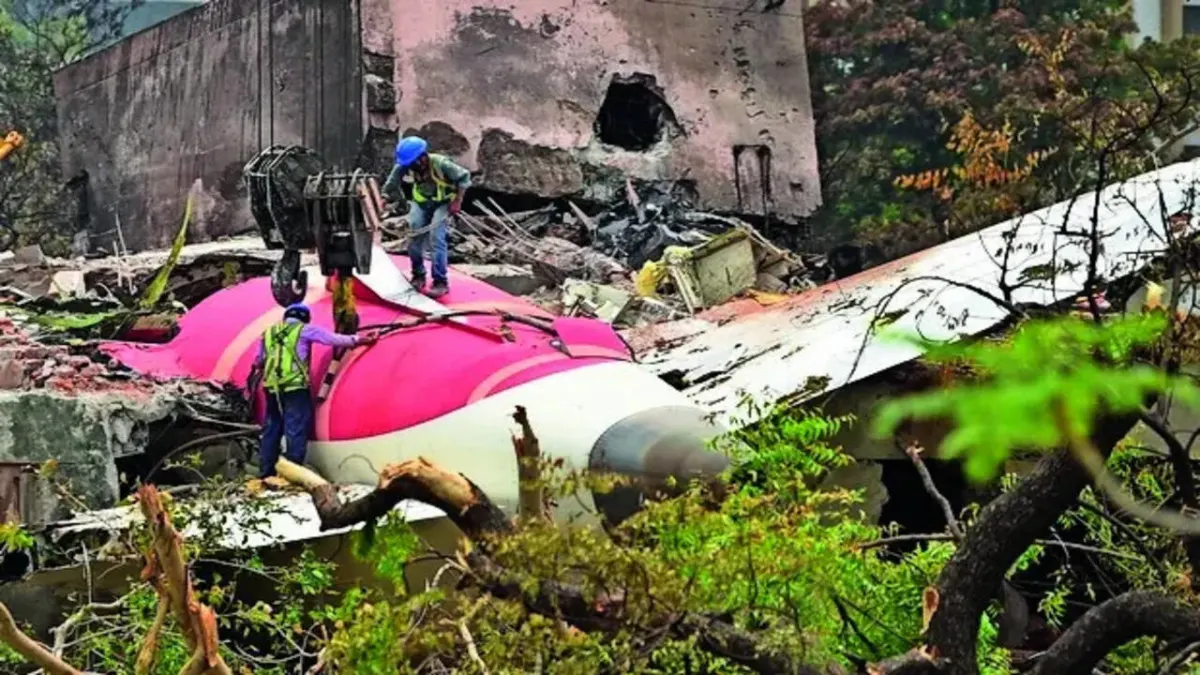
The Foundation for Aviation Safety is urging the AAIB to issue safety warnings for the Boeing 787 fleet following the fatal Air India 171 crash.
NTSB Safety Recommendations Lag Amid 6 Monthly Near-Misses
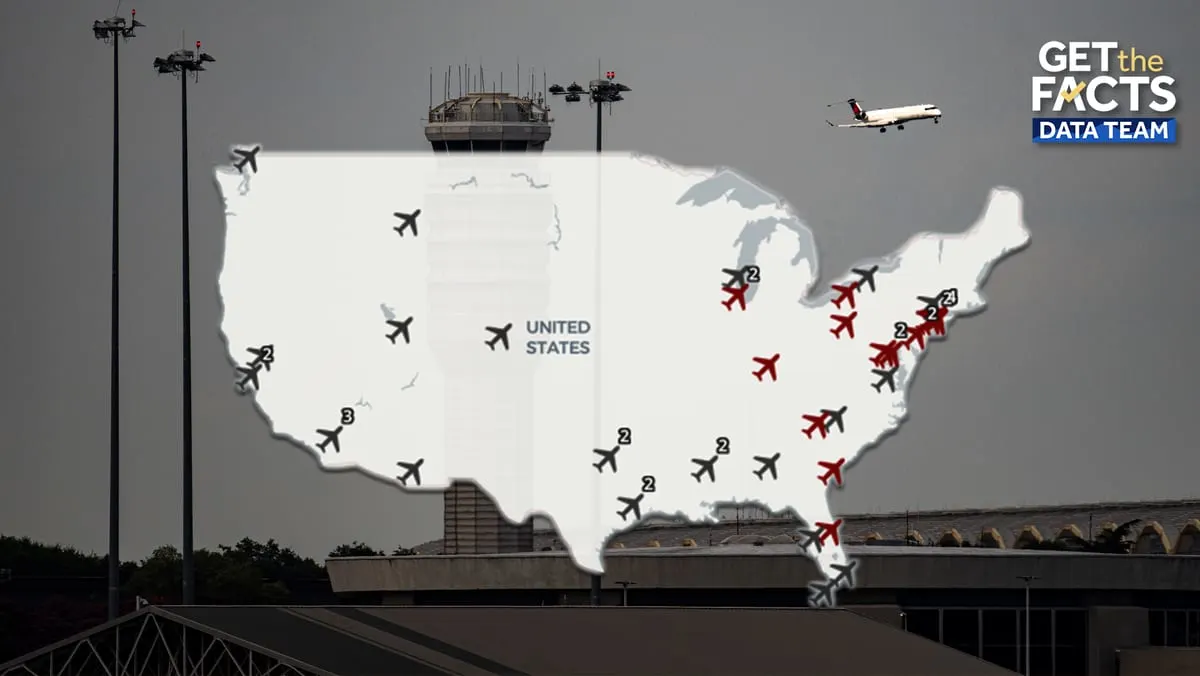
Approximately 6 near-miss incidents occur monthly at U.S. airports as 270 NTSB safety recommendations remain unaddressed by federal regulators.
NTSB Rejects FAA Safety Responses After 67-Fatality Crash
The NTSB labeled 11 FAA responses to 2025 DCA mid-air collision recommendations as unacceptable, citing the lack of a mandatory ADS-B In requirement.
EASA Orders Urgent Airbus A380 Wing Spar Inspections
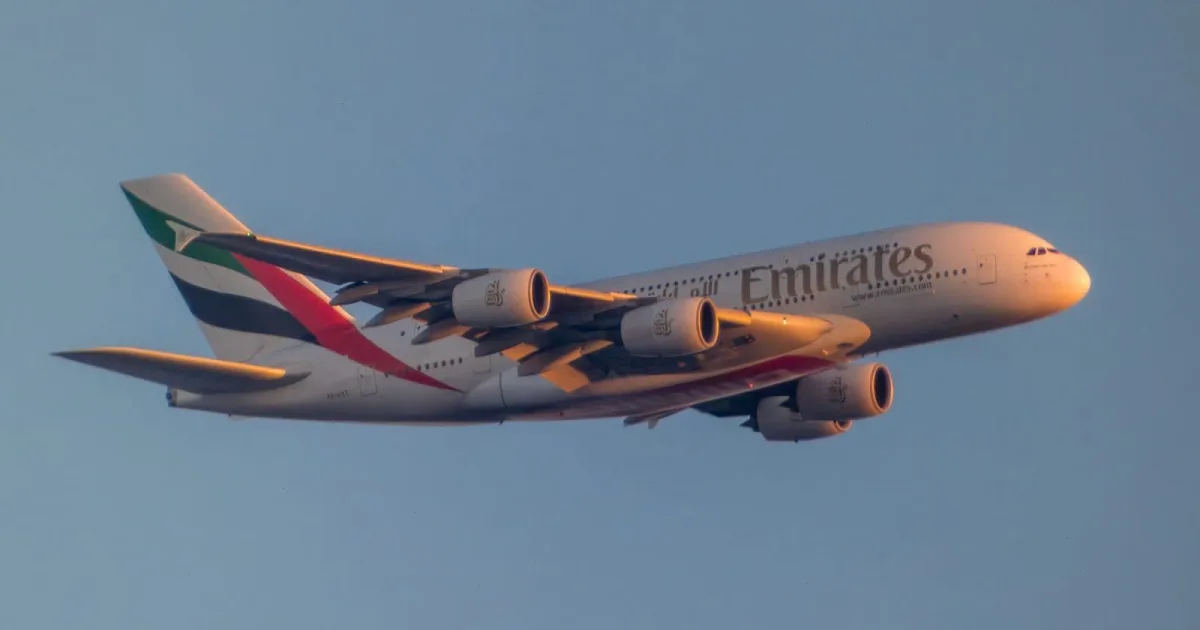
The EASA ordered urgent inspections on 16 Airbus A380s after discovering wing spar cracks that could compromise structural integrity.

Ryanair Flight RK514 Diverts to Birmingham After Emergency
Ryanair flight RK514 diverted to Birmingham Airport on September 13, 2026, following a medical emergency involving a passenger.