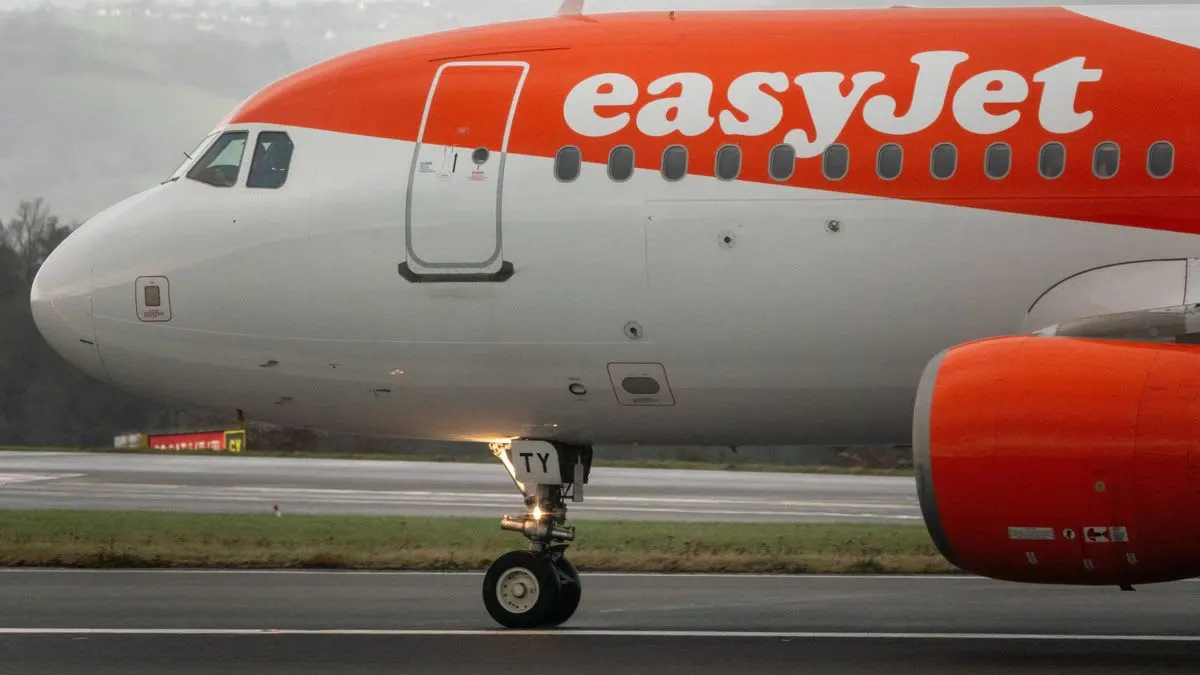
El Al 737 Aborts Landing at Tel Aviv Following Missile Alert


An El Al Boeing 737 aborted its landing at Tel Aviv's Ben Gurion Airport upon ATC instruction following a missile alert in central Israel.
Key Takeaways
- •Aborted landing at Tel Aviv following an ATC instruction during a missile alert.
- •Executed a standard go-around maneuver, a routine and practiced safety procedure.
- •Entered a holding pattern for approximately 20 minutes before landing safely.
- •Highlights established safety protocols for managing civil aviation in conflict zones.
An El Al Israel Airlines Ltd. (El Al) Boeing 737 flight from Tbilisi performed an aborted landing at Ben Gurion International Airport (TLV) after Air Traffic Control (ATC) issued a go-around instruction during a missile alert. The incident, which occurred just seconds from touchdown, highlights the established safety protocols governing civil aviation operations in conflict zones. The flight crew immediately executed the standard maneuver as air raid sirens activated in central Israel.
This event underscores the robust procedures in place for managing airspace during security threats. A go-around is a routine and well-practiced safety maneuver initiated when landing conditions are deemed suboptimal. In this case, the instruction from ATC was a precautionary measure to ensure the aircraft remained at a safe altitude and distance from a potential ground threat, rather than an indication of an issue with the aircraft itself.
Incident Details and Response
The aircraft, a Boeing 737 model consistent with El Al's all-Boeing fleet, was on final approach to Tel Aviv when the crew received the directive. According to passenger reports, after initiating the Go-Around Maneuver, the aircraft climbed and entered a holding pattern. The plane circled for approximately 20 minutes before being cleared by ATC to re-approach and land safely at Ben Gurion Airport. No injuries or aircraft damage were reported.
El Al, the flag carrier of Israel, operates a fleet composed entirely of Boeing aircraft, including the 737-800 and 737-900ER variants. The airline has extensive experience operating in a region with heightened security considerations, and its crews are rigorously trained to handle such contingencies.
Regulatory Framework for Conflict Zones
The decision to instruct the El Al flight to go around aligns with international and national protocols for airspace management in conflict areas. The International Civil Aviation Organization (ICAO) provides a framework that places the responsibility on member states to manage their airspace and issue advisories, known as Notices to Airmen (NOTAMs), when the safety of civil aircraft cannot be guaranteed. Airlines are then required to conduct their own comprehensive risk assessments based on this official information.
In the United States, the Federal Aviation Administration (FAA) provides specific guidance for its controllers in documents like FAA Order JO 7110.65, which details procedures for ground missile emergencies. These protocols, mirrored by other national aviation authorities, typically involve halting takeoffs and landings, clearing airspace, and directing airborne traffic to safe holding patterns, often over the sea and away from the threat axis. This systematic response is designed to de-conflict civil air traffic from potential military activity swiftly and effectively.
The Precautionary Principle in Aviation
This incident is a practical application of the precautionary principle, a cornerstone of modern aviation safety philosophy, particularly in volatile regions. Aviation safety bodies advocate that decisions regarding airspace should be guided by the potential impact of a threat, not just its perceived likelihood. The immediate instruction for a go-around, even if the direct threat to the aircraft was low, reflects a safety culture that prioritizes the elimination of risk.
Operating in or near conflict zones presents multifaceted challenges beyond direct kinetic threats. A growing concern is the increased prevalence of GPS jamming and spoofing, which can affect aircraft navigation systems. This requires flight crews to maintain proficiency with alternative navigation methods and for airlines to equip aircraft with resilient systems. The coordination between ATC and pilots, as demonstrated in the Tel Aviv incident, remains the most critical layer of defense in mitigating real-time threats.
Why This Matters
This event demonstrates the successful implementation of aviation safety protocols in a high-stress environment. It shows that despite regional tensions, the coordination between air traffic control and highly trained flight crews can effectively mitigate risks to passenger aircraft. The incident serves as a real-world case study on the importance of standardized emergency procedures for ensuring the continuity of civil aviation operations in complex security landscapes.
Visit omniflights.com for the latest commercial aviation news and airline industry updates. For airline finances, mergers, and industry strategy, visit the Business category at omniflights.com/business.

Written by Ujjwal Sukhwani
Aviation News Editor & Industry Analyst delivering clear coverage for a worldwide audience. Covers flight operations, safety regulations, and market trends with expert analysis.
Visit ProfileYou Might Also Like
Israel Bans United Airlines Pilot Over Pro-Iran Posts

Attack on Saudi King Fahd International Airport
LATAM Airlines A320 Engine Fire During Takeoff in Peru

Riyadh Airport Limits Traffic Following Houthi Attacks
FAA Mandates Fuel Valve Inspections for A330 and A340