EasyJet Flight Diverts to Amsterdam for Medical Emergency

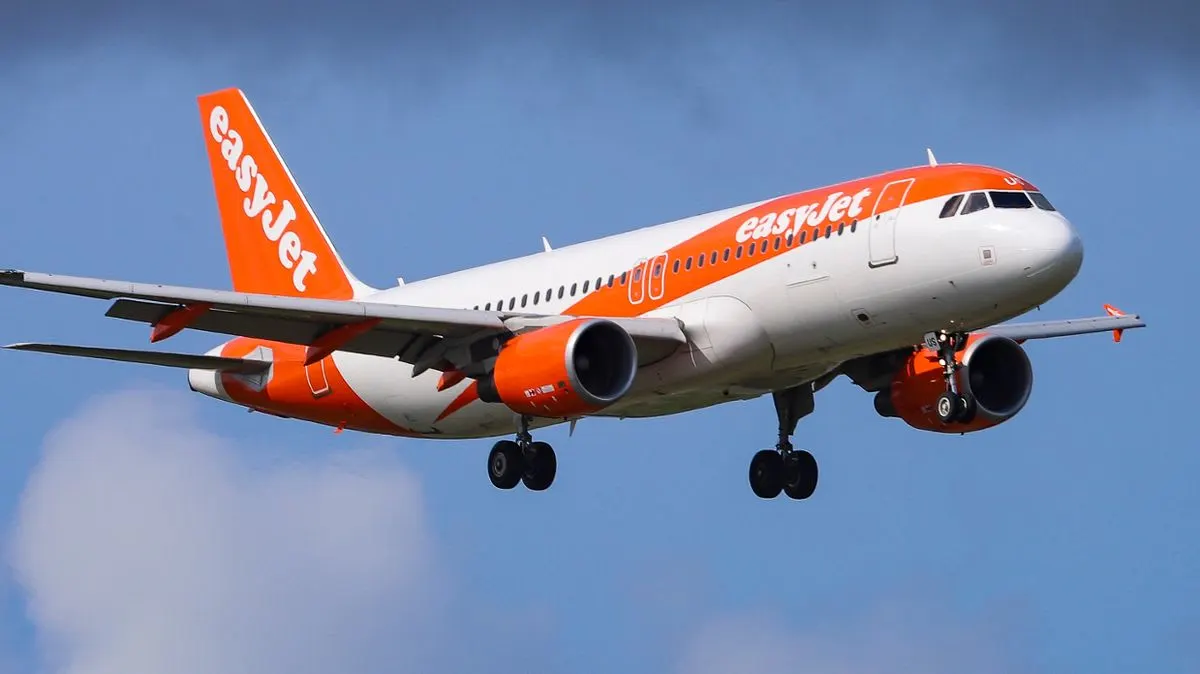
An easyJet flight from Larnaca to Glasgow diverted to Amsterdam Schiphol Airport after a passenger required urgent Cardiopulmonary Resuscitation.
Key Takeaways
- •EasyJet U23170 diverted to Amsterdam due to a medical emergency.
- •Pilots used squawk code 7700 to secure priority landing at Schiphol.
- •Medical emergencies are a leading cause of unscheduled airline diversions.
An easyJet flight operating from Larnaca Airport (LCA) to Glasgow Airport (GLA) declared a mid-air emergency on Tuesday, forcing an unscheduled diversion to Amsterdam Schiphol Airport (AMS). The flight, identified as U23170, was approximately four hours into its journey when the crew reported a passenger requiring urgent Cardiopulmonary Resuscitation (CPR). The aircraft, an Airbus A320, was cruising at an altitude of 38,000 feet over the North Sea at the time of the incident.
Emergency Protocol and Landing
To signal the urgency of the situation to Air Traffic Control (ATC), the pilots activated the transponder code 7700. According to the FAA (Federal Aviation Administration) manual on beacon systems, this squawk code serves as a global standard to alert ground controllers of a general emergency, granting the aircraft priority handling and immediate routing for landing. Following the distress call, the aircraft initiated a rapid descent and touched down on Runway 06 at Schiphol just 22 minutes later. Upon arrival at Gate D60, the flight was met by medical personnel to attend to the passenger.
Operational Impact and Industry Context
Medical emergencies remain one of the most frequent causes for unscheduled commercial flight diversions. Airlines must balance passenger safety with operational requirements, often incurring costs related to fuel, landing fees, and potential crew duty-hour limitations. For the passengers on board, the diversion resulted in a significant delay in their arrival at Glasgow. This event follows a similar incident on September 18, when American Airlines Flight AA293, a Boeing 787-9 Dreamliner, diverted to London Heathrow (LHR). In that instance, the flight from Delhi (DEL) to New York (JFK) was at 36,000 feet when a passenger became seriously ill, leading to a diversion that highlights the complexity of managing mid-air health crises on long-haul routes.
The Anatomy of a Medical Diversion
When a crew identifies a passenger requiring advanced medical intervention, the decision to divert is guided by both onboard medical kits and the availability of ground support. Historically, such as the late 2023 diversion of an easyJet flight to Porto (OPO), airlines have established clear protocols for prioritizing safety over schedule adherence. The process involves coordination between the flight deck, the airline's operations control center, and ground-based medical advisors. The 22-minute timeframe from the emergency squawk to touchdown in Amsterdam reflects the standard rapid-response capability of modern European aviation hubs like Schiphol.
Next Steps for Affected Passengers
Following the medical offloading, easyJet operations staff typically work to re-accommodate passengers on the delayed flight. While the airline has not disclosed specific details regarding the passenger's condition, the diversion ensures that the individual receives care at a specialized medical facility. The aircraft, having undergone necessary checks, is expected to resume service once ground handling and crew rest requirements are satisfied.
Frequently Asked Questions
- What does the squawk code 7700 mean in aviation?
- Squawk code 7700 is an internationally recognized transponder code used by pilots to alert air traffic control that an aircraft is experiencing a general emergency, allowing the flight to receive priority handling.
- Why did the easyJet flight from Cyprus to Glasgow divert?
- The flight diverted to Amsterdam Schiphol Airport because a passenger on board required urgent medical attention, specifically Cardiopulmonary Resuscitation, which could not be adequately managed during the remainder of the flight.
For global airline trends and commercial aviation news, turn to omniflights.com. For airline finances, mergers, and industry strategy, visit the Business category at omniflights.com/business.

Written by Shashank Shukla
Co-Founder & CTO leading the engineering and AI systems behind Omni Flights. Covers aviation technology, flight safety, aircraft manufacturing, and emerging aerospace developments.
Visit ProfileYou Might Also Like
EASA AD 2026-0117R1 Mandates Trent 1000 Inspection Limits
Delta A350 and Air Canada 777 Clip Wings at LAX

21 Air Flight 7598 Crash: NTSB Probes Pilot Pairing
British Airways BA295 and Flydubai FZ1073 Emergency Events
British Airways BA295 Makes Emergency Landing at Heathrow