easyJet Cancels 210 Flights in Italy Strike June 2026

Co-Founder & CEOAviation News Editor delivering trusted coverage across the global aviation industry.
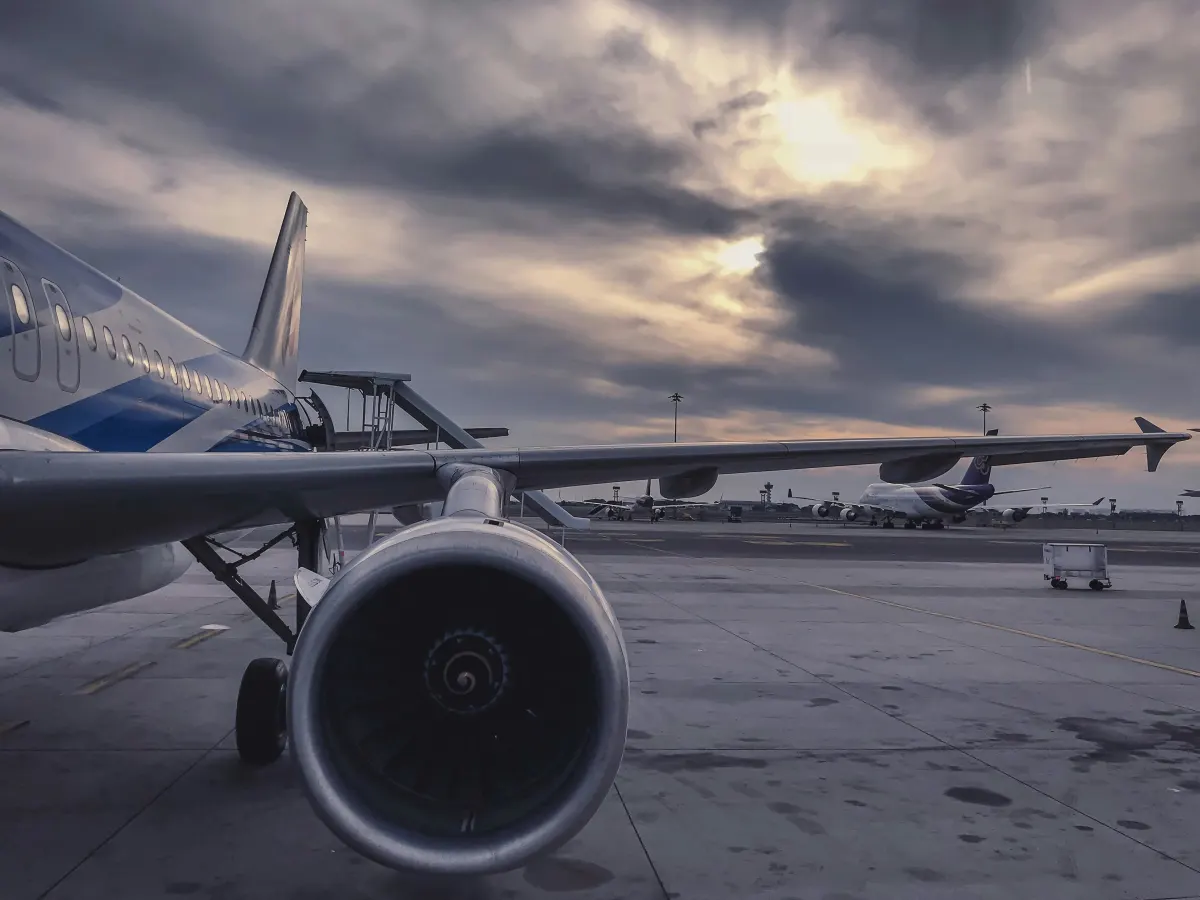
An Italy airport strike on June 13, 2026, forced easyJet to cancel 210 flights, impacting 40,000 passengers amid broader labor volatility.
Key Takeaways
- •easyJet cancelled 210 flights due to an 18-hour crew strike.
- •Approximately 40,000 passengers faced disruption during the June 13 event.
- •EU261 rules may entitle affected passengers to €600 in compensation.
- •Italian transport unions scheduled a follow-up strike for June 26, 2026.
Strike Impact and Operational Disruptions
A 24-hour labor action across the Italian aviation sector on June 13, 2026, caused widespread disruption, with easyJet bearing the brunt of the operational fallout. The carrier, which operated a schedule of approximately 500 flights touching Italy that day, was forced to cancel roughly 210 flights. The Italy airport strike June 13, 2026, involved an 18-hour walkout by the airline's own cabin crew, compounded by regional strikes from ENAV (Ente Nazionale di Assistenza al Volo) air traffic controllers and ground handling staff. The cumulative effect left an estimated 40,000 passengers facing significant delays, cancellations, and forced rebookings.
Regulatory Context and Passenger Rights
Under the oversight of ENAC (Ente Nazionale per l'Aviazione Civile), Italy enforces a Minimum Service Guarantee (Fasce di Garanzia). This regulation mandates that all scheduled departures must legally operate during two protected windows: 07:00–10:00 and 18:00–21:00. Outside of these peak hours, only 20% of scheduled flights are permitted to operate. Passengers seeking information on protected services often refer to the official ENAC portal for guidance during such industrial actions. Because the disruption involved an internal airline labor dispute, many travelers are eligible for compensation under EU261 (European Union Regulation 261/2004), which governs flight rights. Unlike third-party air traffic control strikes, which are often classified as extraordinary circumstances, internal crew walkouts generally do not exempt carriers from paying up to €600 per passenger in compensation.
Escalating Labor Volatility
The June 13 action follows a pattern of rising labor unrest within European aviation. This event occurred only two weeks after the May 29, 2026, general transport strike, which disrupted 1,150 flights and affected 179,000 passengers across Italy. Furthermore, this incident serves as an escalation of the May 11, 2026, easyJet strike, which resulted in 180 cancellations over an 8-hour period. Industry analysts note that airlines are currently facing €8 billion in annual EU261 costs, a figure that could climb to €15 billion if pending legislative reforms are enacted. Airlines for Europe (A4E) has voiced strong opposition to these changes, with Managing Director Ourania Georgoutsakou arguing that expanded compensation mandates effectively act as an expensive, compulsory insurance policy embedded in ticket prices.
The Cost of Connectivity
The financial pressure on carriers is mounting as they balance rising labor demands with the threat of increased liability. The European Regions Airline Association (ERA) has warned that rigid compensation requirements could force carriers to abandon thin, economically fragile regional routes. This would threaten essential connectivity for smaller communities, complicating the recovery of regional networks. For lessors and operators, the current environment represents a heightened risk profile, as labor-related disruptions become a recurring feature of the summer travel season.
Upcoming Labor Milestones
Industry stakeholders are now tracking the next phase of labor and regulatory developments. A critical decision point is approaching on June 15, 2026, when the European Union Conciliation Committee is expected to reach a compromise on proposed EU261 reforms. Beyond the regulatory sphere, further operational stress is anticipated on June 26, 2026, as Italian transport unions have confirmed plans for a national aviation ground handling strike. These back-to-back actions suggest that the volatility experienced in mid-June will likely persist through the peak summer months.
Why This Matters for Passengers and Investors
For passengers, the primary concern remains the reliability of transit during peak summer travel windows and the ability to claim compensation for disrupted plans. For investors and aviation professionals, the situation signals a structural shift in the cost of labor disputes. As strikes become more frequent and compensation liabilities grow, carriers are under increasing pressure to re-evaluate their regional route economics and labor negotiation strategies to mitigate the risk of systemic revenue loss.
Frequently Asked Questions
- Can easyJet passengers claim compensation for the June 13, 2026, strike?
- Yes, passengers affected by the easyJet crew strike may be eligible for up to €600 in compensation under EU261 regulations, as internal labor disputes are generally not classified as extraordinary circumstances.
- What is the Minimum Service Guarantee in Italy?
- Enforced by ENAC, the Minimum Service Guarantee mandates that all scheduled flights must operate during two protected windows: 07:00–10:00 and 18:00–21:00, ensuring limited connectivity during national transport strikes.
Visit omniflights.com for the latest commercial aviation news and airline industry updates. For reporting on UAP sightings, investigations, and aviation-related encounters, see the UAPs section at omniflights.com/uaps.
Written by Hardik Vishwakarma
Co-Founder & Aviation News Editor leading initiatives that improve trust and visibility across the global aviation industry. Covers airlines, airports, safety, and emerging technology.
Visit ProfileYou Might Also Like
Discover more aviation news based on similar topics
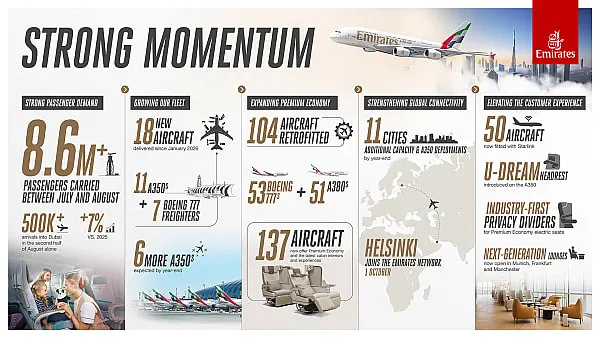
Emirates Winter Booking Momentum Grows Amid Fleet Expansion
Emirates carried 8.6 million passengers this summer and enters winter with strong demand as it accelerates fleet retrofits and network growth.

Air Arabia Consortium Gains AOC for New Dammam Budget Airline
A Saudi GACA-led consortium including Air Arabia has secured an AOC to launch a new budget airline based at Dammam's King Fahd International Airport.
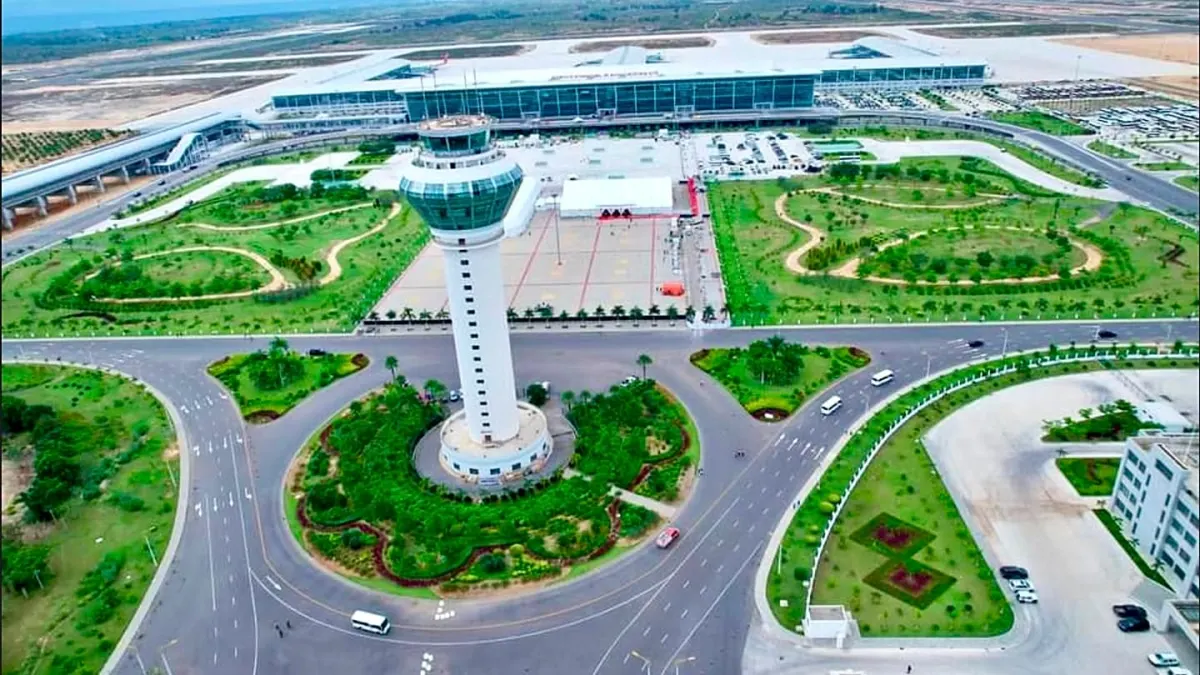
Turkish Airlines Exits Luanda as Angola Hub Struggles
Turkish Airlines dropped its Luanda route as Angola's new airport struggles to attract traffic, handling only 756,028 passengers in 2025.

Red Sea Airlines Leases Two 737 MAX 8s for 2027 Expansion
Red Sea Airlines signed a lease for two Boeing 737 MAX 8 aircraft from SMBC Aviation Capital, arriving in 2027 to support its 14-aircraft fleet goal.
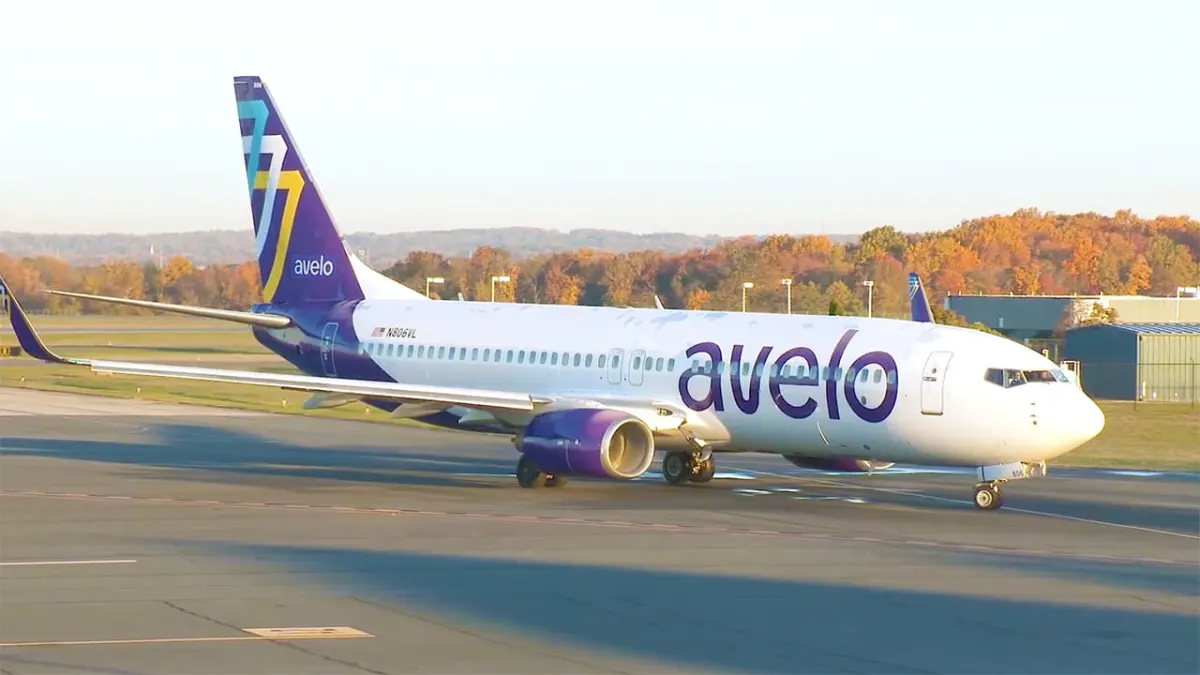
Avelo CEO Warns Airfares May Rise on Jet Fuel Price Spikes
Avelo Airlines CEO Andrew Levy warns that rising fuel costs may force fare increases as global jet fuel prices reach $171.01 per barrel.
IndiGo, Air India Battle for Mumbai-Delhi Route Dominance
IndiGo and the Air India group are competing for dominance on the Mumbai-Delhi air route, which saw 13.9 percent capacity growth this September.