Delta Flight DL337 Makes Emergency Landing in Charlotte

Co-Founder & CEOAviation News Editor delivering trusted coverage across the global aviation industry.

Delta flight DL337 diverted to Charlotte after cockpit smoke forced pilots to use oxygen masks; all 187 passengers and 6 crew landed safely.
Key Takeaways
- •Delta flight DL337 diverted to Charlotte after cockpit smoke was reported.
- •All 187 passengers and 6 crew members landed safely without injuries.
- •FAA incident investigation report is expected to be released in Q3 2026.
- •Delta TechOps is conducting a full inspection of the Airbus A321.
Delta Flight DL337 Emergency Diversion
Delta Air Lines flight DL337, an Airbus A321-200 (registration N385DZ), performed an emergency landing at Charlotte Douglas International Airport (CLT) on June 11, 2026, following reports of smoke in the cockpit. The flight, which originated at Orlando International Airport (MCO) and was bound for Detroit Metropolitan Wayne County Airport (DTW), declared a general emergency by squawking transponder code 7700 while over North Carolina. Pilots donned oxygen masks as a standard safety precaution, and the aircraft landed safely on runway 18C.
Operational Impact and Response
Upon landing, the aircraft was met by Aircraft Rescue and Fire Fighting (ARFF) teams, who conducted thermal scans to identify any active fire sources. No fire was detected, and all 187 passengers and 6 crew members were reported unharmed. The incident caused significant operational disruption for the 187 passengers onboard, who faced overnight delays and required alternative travel arrangements. Delta Air Lines TechOps has initiated an immediate technical inspection of the aircraft to troubleshoot the avionics and bleed air systems. This process is critical to determining the root cause of the smoke event, which is governed by 14 CFR Part 25.831 (Ventilation), a regulation mandating that air in the crew and passenger compartments remains free from hazardous concentrations of gases.
Industry Context on Fume Events
This incident adds to the ongoing industry discourse regarding cabin air quality and "fume events" often linked to bleed air contamination. The International Federation of Air Line Pilots' Associations (IFALPA) has advocated for the installation of advanced air quality sensors to provide immediate chemical identification of cockpit smoke. While the Federal Aviation Administration (FAA) provides guidance through Advisory Circulars like AC 120-80B on handling in-flight fires, the frequency of such reports continues to drive union demands for enhanced monitoring technology. Delta operates a fleet of 127 Airbus A321-200 aircraft, a model that serves as a core component of its narrowbody operations, as detailed in the carrier's fleet overview.
Historical Precedents
Recent history indicates that smoke-related diversions remain a recurring operational challenge. In March 2026, a Delta Airbus A220 returned to LaGuardia Airport shortly after takeoff following a similar cockpit smoke report. Furthermore, a November 2022 incident involving a Delta flight in Albuquerque resulted in an emergency landing due to smoke linked to a loss of engine oil pressure. These precedents underscore the standardized, effective nature of existing emergency diversion protocols, which prioritize the rapid return of the aircraft to the nearest suitable airport.
Technical Analysis of the A321 Smoke Event
The current investigation will focus on whether the smoke originated from electrical components or the environmental control system. The A321-200 platform is designed with redundant air filtration and ventilation systems, yet the persistent nature of such events across the industry suggests that current detection methods may require further refinement. As the FAA prepares its incident investigation report, expected by Q3 2026, the industry is watching to see if this event triggers new maintenance mandates for the A321 fleet. The data suggests that while these events are infrequent, they remain a high-priority safety concern that forces immediate, non-negotiable diversion protocols.
What Comes Next for N385DZ
Delta Air Lines TechOps is expected to return the aircraft to service by late June 2026, pending the completion of a thorough diagnostic review. The FAA investigation into the specific mechanical failure is ongoing, with official findings anticipated in the third quarter of 2026. These milestones represent the standard regulatory path following an emergency landing, ensuring that safety protocols are validated before the aircraft resumes commercial service.
Why This Matters for Airline Safety
For the aviation industry, this event highlights the rigorous adherence to emergency procedures that prevents minor technical issues from escalating into critical safety failures. By prioritizing the use of oxygen masks and immediate diversion, the flight crew ensured a safe outcome for all occupants. For passengers and regulators, the incident serves as a reminder of the complexity behind maintaining cabin air quality in modern commercial aircraft.
Frequently Asked Questions
- Why did Delta flight DL337 make an emergency landing in Charlotte?
- The flight diverted to Charlotte Douglas International Airport after the crew reported smoke in the cockpit. Pilots followed standard safety protocols by donning oxygen masks and declaring a general emergency.
- Were there any injuries reported on the Delta Airbus A321 flight?
- No, all 187 passengers and 6 crew members were unharmed during the emergency landing. Thermal scans conducted by airport rescue teams confirmed there was no active fire on the aircraft.
For in-depth airline coverage and commercial aviation news, omniflights.com delivers timely industry insights. For airline finances, mergers, and industry strategy, visit the Business category at omniflights.com/business.
Written by Hardik Vishwakarma
Co-Founder & Aviation News Editor leading initiatives that improve trust and visibility across the global aviation industry. Covers airlines, airports, safety, and emerging technology.
Visit ProfileYou Might Also Like
Discover more aviation news based on similar topics
Ryanair Flight RK514 Diverts to Birmingham After Emergency
Ryanair flight RK514 diverted to Birmingham Airport on September 13, 2026, following a medical emergency involving a passenger.
Amazon Suspends 21 Air After Fatal Miami 767 Runway Overrun
Amazon has suspended operations with 21 Air following a fatal Boeing 767 runway overrun at Miami International Airport that resulted in five deaths.
FAA Proposes A220 Fuel Line Inspections for US Operators
The FAA issued a proposed directive requiring inspection of motive-flow fuel lines on 13 US-registered Airbus A220s to prevent potential leaks.
NATS Denies Military Jet Role in UK ATC Outage
The UK Ministry of Defence denied its aircraft caused a NATS outage that led to over 2,000 flight cancellations and calls for CEO resignation.
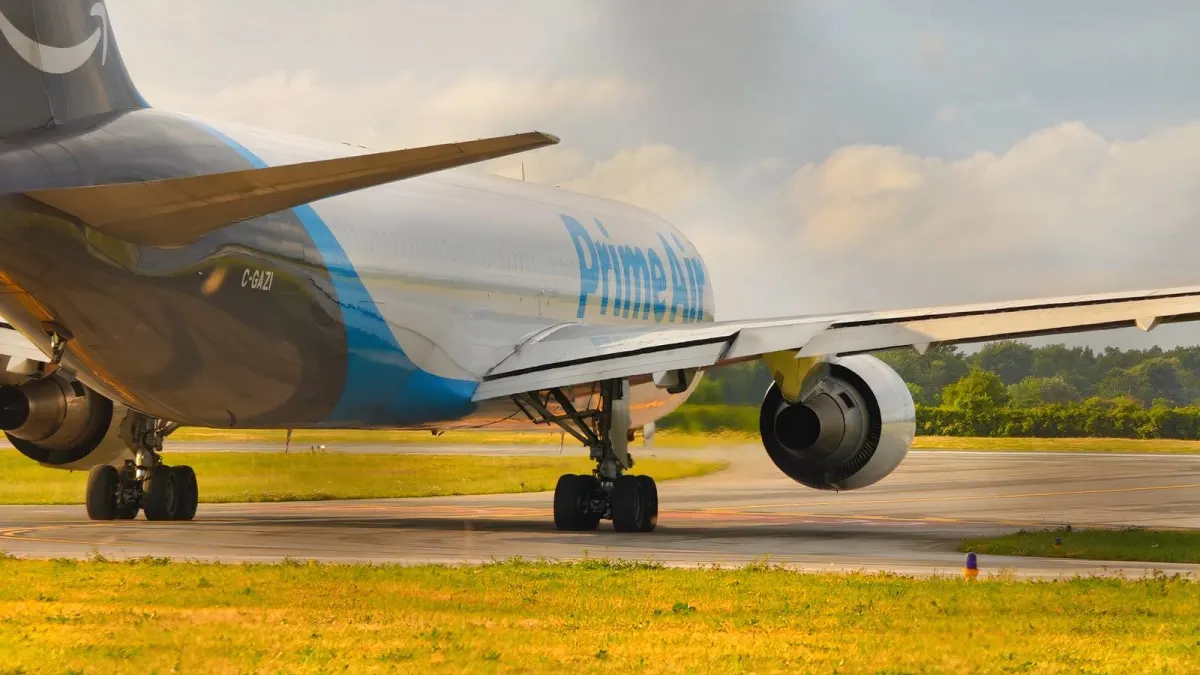
21 Air Miami Crash: NTSB Investigates 767 Runway Overrun
A fatal 21 Air Boeing 767 crash at Miami International Airport has triggered an NTSB investigation amid scrutiny of Amazon Air's contract oversight.

Amazon Cargo Plane Crash: 5 Remembered After MIA Excursion
Five cleaning crew members died after an Amazon-contracted Boeing 767 overran the runway at Miami International Airport at 158 knots.