Delta Flight 337 Diverts to CLT After Cockpit Smoke

Co-Founder & CEOAviation News Editor delivering trusted coverage across the global aviation industry.
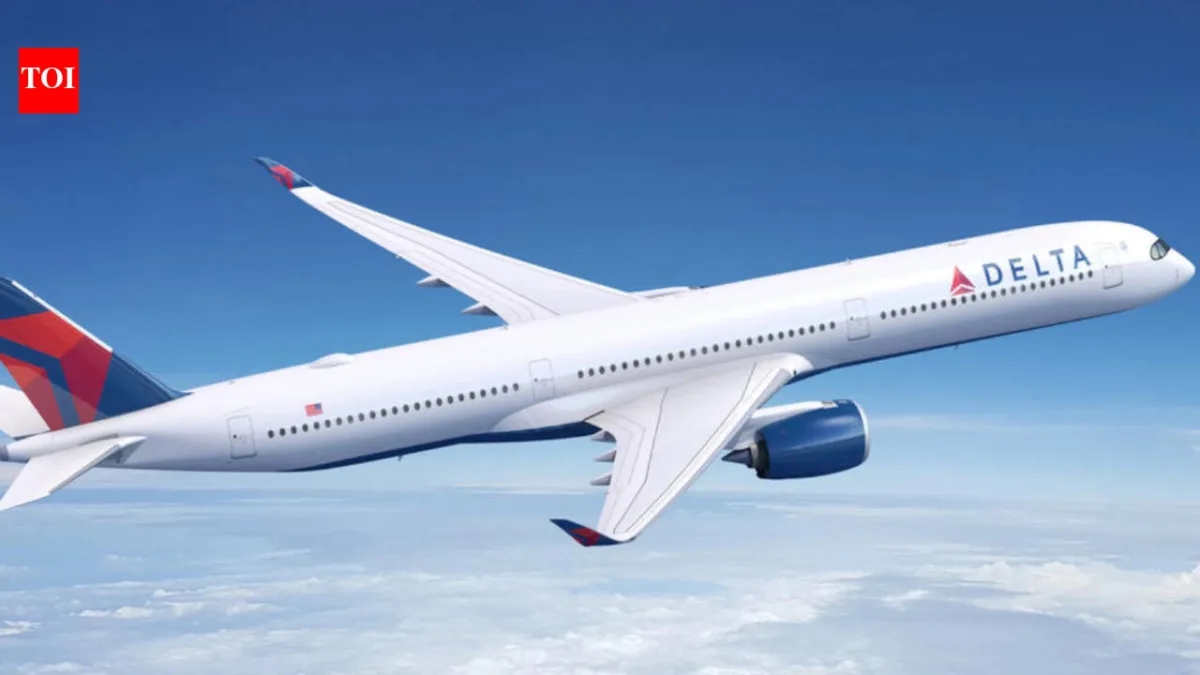
Delta Air Lines flight 337 diverted to Charlotte after a cockpit smoke emergency, forcing 187 passengers to stay overnight.
Key Takeaways
- •Delta flight 337 diverted to Charlotte following a cockpit smoke emergency.
- •The crew declared a Squawk 7700 emergency to prioritize the landing.
- •187 passengers were provided overnight accommodations after the diversion.
- •Delta TechOps is inspecting the A321-200 to identify the smoke source.
A Delta Air Lines flight bound for Detroit Metropolitan Wayne County Airport (DTW) was forced to divert to Charlotte Douglas International Airport (CLT) on June 11, 2026, following reports of an unidentified odor and smoke in the cockpit. The incident, involving Delta flight 337 (DL337), triggered an emergency response as the flight crew initiated a Squawk 7700 general emergency declaration to secure priority handling from air traffic control. The aircraft, an Airbus A321-200 (registration N385DZ), was at a cruising altitude of 35,000 feet when the crew detected the anomaly and elected to land at the nearest suitable airport.
Emergency Protocols and Response
Upon identifying the cockpit fumes, the flight crew followed standard Federal Aviation Administration (FAA) safety protocols under 14 CFR Part 121.333, which mandates that pilots immediately don supplemental oxygen masks to prevent incapacitation. The aircraft landed safely at CLT, where it was met by Aircraft Rescue and Fire Fighting (ARFF) teams. These specialized units conducted thermal scans of the fuselage to ensure no active fire or heat source remained before passengers disembarked. All 187 passengers and 6 crew members were safely evacuated and provided with overnight accommodations in Charlotte.
Operational and Maintenance Impact
For the 187 passengers on board, the diversion resulted in a significant travel disruption, necessitating rebooking for the following day. Delta Air Lines has since grounded the affected Airbus A321-200 for a comprehensive diagnostic inspection. Delta TechOps (maintenance) is currently working to isolate the source of the smoke, which is often linked to engine oil or hydraulic fluid leaking into the environmental control system. The carrier’s official Delta News Hub portal emphasized that the diversion was a precautionary measure, with a spokesperson stating that the safety of customers and employees remains the airline's highest priority.
Industry Trends in Cabin Air Quality
This incident mirrors a broader trend of increased scrutiny regarding cabin and cockpit fume events across the commercial aviation industry. Delta Air Lines has experienced similar operational challenges recently, including incidents in December 2025 and April 2026. These events have reignited discussions among labor organizations, including the Association of Flight Attendants-CWA, which has long advocated for mandatory, real-time air quality monitoring systems. Advocates argue that these events, while often resolved safely, pose potential long-term respiratory risks to flight crews and cabin staff.
Comparison of Recent Delta Diversions
| Metric | DL337 (June 2026) | DL1101 (June 2026) | Seattle Event (April 2026) |
|---|---|---|---|
| Aircraft | A321-200 | Not Disclosed | Not Disclosed |
| Primary Issue | Cockpit Smoke | Cockpit Fumes | Cabin Odor |
| Outcome | Safe Landing | Safe Landing | Aircraft Grounded |
Maintenance Evaluation and Next Steps
Delta Air Lines is expected to complete its technical evaluation of N385DZ by mid-June 2026. The maintenance review will determine if the smoke was a localized component failure or a systemic issue within the environmental bleed air system. The aircraft will remain out of revenue service until Delta TechOps certifies that the cabin air quality meets all airworthiness standards. The rapid deployment of the Squawk 7700 code ensured that the flight received the necessary priority to land without incident, underscoring the effectiveness of current ICAO (International Civil Aviation Organization) emergency procedures.
Why This Matters for Airline Operations
For major carriers, recurring fume events represent a complex operational and financial burden, involving unscheduled maintenance cycles and passenger reaccommodation costs. While safety protocols are robust, the frequency of these incidents highlights the ongoing challenge of maintaining air quality in high-cycle, short-to-medium-haul fleets. As airlines continue to prioritize fleet reliability, the ability to rapidly identify and remediate these odor-related events remains a critical focus for both flight safety departments and regulatory oversight bodies.
Frequently Asked Questions
- What does a Squawk 7700 emergency code mean?
- Squawk 7700 is the ICAO general emergency transponder code that pilots enter to instantly alert air traffic control of an in-flight emergency, ensuring the aircraft receives priority handling and unrestricted airspace.
- Why did the Delta A321-200 divert to Charlotte?
- The flight diverted to Charlotte Douglas International Airport after the flight crew reported an unidentified odor and smoke in the cockpit, necessitating an emergency landing to ensure passenger and crew safety.
Access up-to-date commercial aviation news and airline industry developments via omniflights.com. Get the latest updates on major hubs, regional terminals, and airport operations via the Airports section at omniflights.com/airports.
Written by Hardik Vishwakarma
Co-Founder & Aviation News Editor leading initiatives that improve trust and visibility across the global aviation industry. Covers airlines, airports, safety, and emerging technology.
Visit ProfileYou Might Also Like
Discover more aviation news based on similar topics
Ryanair Flight RK514 Diverts to Birmingham After Emergency
Ryanair flight RK514 diverted to Birmingham Airport on September 13, 2026, following a medical emergency involving a passenger.
Amazon Suspends 21 Air After Fatal Miami 767 Runway Overrun
Amazon has suspended operations with 21 Air following a fatal Boeing 767 runway overrun at Miami International Airport that resulted in five deaths.
FAA Proposes A220 Fuel Line Inspections for US Operators
The FAA issued a proposed directive requiring inspection of motive-flow fuel lines on 13 US-registered Airbus A220s to prevent potential leaks.
NATS Denies Military Jet Role in UK ATC Outage
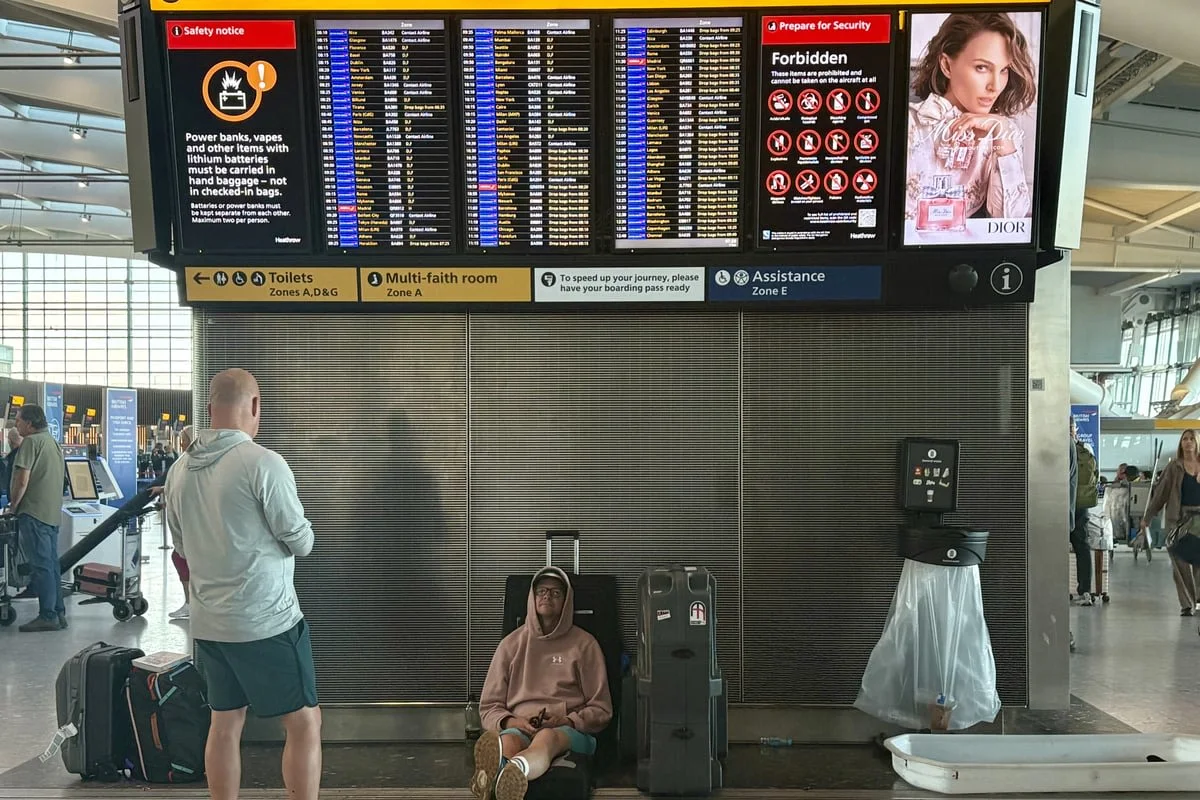
The UK Ministry of Defence denied its aircraft caused a NATS outage that led to over 2,000 flight cancellations and calls for CEO resignation.
21 Air Miami Crash: NTSB Investigates 767 Runway Overrun
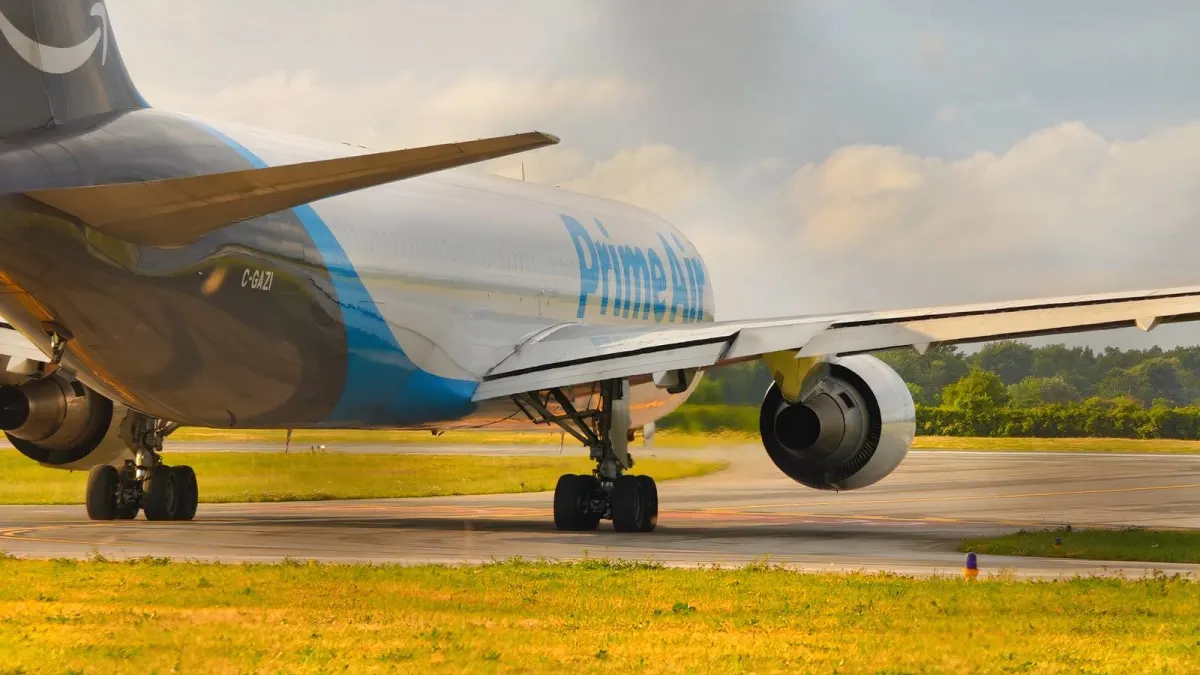
A fatal 21 Air Boeing 767 crash at Miami International Airport has triggered an NTSB investigation amid scrutiny of Amazon Air's contract oversight.

Amazon Cargo Plane Crash: 5 Remembered After MIA Excursion
Five cleaning crew members died after an Amazon-contracted Boeing 767 overran the runway at Miami International Airport at 158 knots.