Delta Flight 2311 Makes Emergency Landing After Depressurization

Co-Founder & CTOCo-Founder & CTO driving the technology and data systems behind Omni Flights.
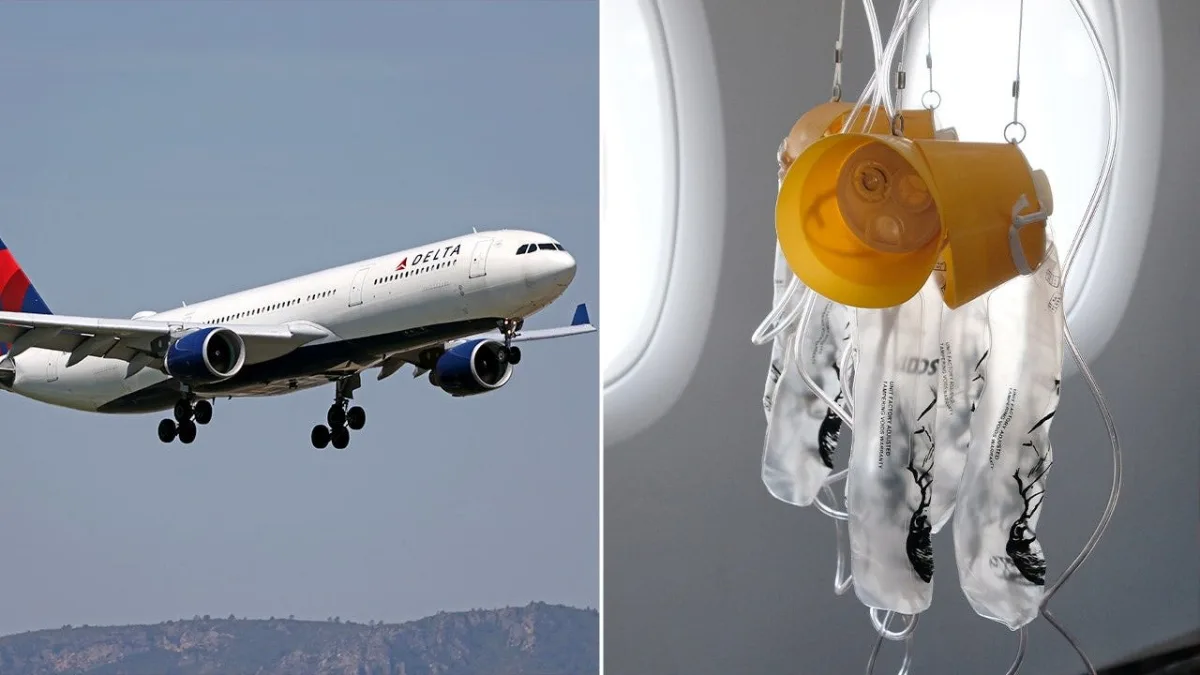
Delta Flight 2311 diverted to Las Vegas after a cabin pressurization issue forced a rapid 27,000-foot descent on September 6, 2026.
Key Takeaways
- •Delta Flight 2311 descended 27,000 feet after a pressurization failure.
- •The aircraft safely diverted to Las Vegas with 174 passengers aboard.
- •The FAA and NTSB are expected to release preliminary findings by October 2026.
Rapid Descent and Emergency Diversion
Delta Air Lines Flight 2311 experienced a significant Delta Flight 2311 rapid descent on September 6, 2026, following an unexpected aircraft pressurization issue. The flight, which was operating from Los Angeles International Airport (LAX) to Salt Lake City International Airport (SLC), was carrying 174 passengers and 6 crew members when the incident occurred. As cabin pressure failed, the passenger oxygen masks deployed in the cabin, triggering an immediate emergency protocol. The flight crew executed a rapid descent, dropping approximately 27,000 feet in roughly 10 minutes to reach a breathable altitude of 9,000 feet, before completing an emergency landing Las Vegas at Harry Reid International Airport.
Operational Response and Safety Protocols
According to Air Traffic Control (ATC) communications, the pilots requested an immediate descent to 9,000 feet and diverted the aircraft to the nearest suitable airfield. A Delta spokesperson confirmed that the flight crew adhered to standard training and procedures to manage the depressurization event safely. While the aircraft landed without further incident, the event highlights the critical nature of 14 CFR § 121.333, which mandates supplemental oxygen and emergency descent protocols for flight crews. Passengers reported significant distress during the event, citing the difficulty of communicating while wearing oxygen masks and the jarring nature of the rapid altitude change.
Technical Context and Industry Scrutiny
This incident arrives amid heightened public and regulatory scrutiny regarding aircraft pressurization systems. Following high-profile events such as the Alaska Airlines Flight 1282 door plug blowout in January 2024 and a similar Delta Boeing 737-900ER pressurization incident in September 2024, the aviation industry faces intensified pressure to ensure maintenance and manufacturing quality. Matthew "Whiz" Buckley, a retired U.S. Navy F/A-18 pilot, noted that while such pressurization failures are rare in U.S. commercial aviation, the standard protocol remains to land at the nearest suitable runway as soon as practical.
Emergency Descent Profiles
| Metric | Flight 2311 Performance | Standard Industry Profile |
|---|---|---|
| Descent Rate | ~2,700 ft/min | 1,500 - 2,500 ft/min |
| Emergency Descent Rate | N/A | 3,000 - 4,000+ ft/min |
Maintenance and Stakeholder Impact
For Delta Air Lines Operations and Maintenance, this event necessitates the grounding of the specific airframe for rigorous technical inspections of its pressurization system, door seals, and fuselage. While the airline manages rebooking and passenger support, the Boeing commercial airplanes division faces renewed questions regarding the long-term maintenance lifecycle of its 737 NG/MAX families. Consumer safety advocates argue that the recurrence of such mechanical failures suggests a need for stricter maintenance oversight, contrasting with the industry view that these procedures are a testament to the effectiveness of existing pilot training.
Preliminary Incident Investigation
The Federal Aviation Administration (FAA) and the National Transportation Safety Board (NTSB) are expected to review the incident data. A preliminary report regarding the cause of the pressurization failure is anticipated by October 2026. This investigation will likely focus on whether the failure resulted from routine maintenance fatigue or a systemic component defect, providing further clarity on the airworthiness of the affected 737-900ER fleet.
Why Regulators Are Watching
This incident serves as a critical reminder of the importance of emergency descent training and the reliability of cabin pressure systems. As regulatory bodies like the FAA continue to monitor aging aircraft fleets, the outcome of this investigation will influence future maintenance directives and safety guidance for domestic carriers. For the aviation industry, the event underscores the necessity of maintaining high standards in both operational training and proactive mechanical inspection cycles.
Frequently Asked Questions
- What caused the emergency landing of Delta Flight 2311?
- Delta Flight 2311 performed an emergency landing in Las Vegas due to an unexpected cabin pressurization issue that required the deployment of passenger oxygen masks.
- How rapidly did the aircraft descend during the emergency?
- The aircraft descended approximately 27,000 feet in about 10 minutes, moving from cruising altitude to a safer 9,000-foot altitude to ensure passenger safety.
Get breaking commercial aviation news and expert airline analysis at omniflights.com. From aircraft production to supply chains, commercial aviation manufacturing news is covered at omniflights.com/manufacturing.
Written by Shashank Shukla
Co-Founder & CTO leading the engineering and AI systems behind Omni Flights. Covers aviation technology, flight safety, aircraft manufacturing, and emerging aerospace developments.
Visit ProfileYou Might Also Like
Discover more aviation news based on similar topics
Ryanair Flight RK514 Diverts to Birmingham After Emergency
Ryanair flight RK514 diverted to Birmingham Airport on September 13, 2026, following a medical emergency involving a passenger.
Amazon Suspends 21 Air After Fatal Miami 767 Runway Overrun
Amazon has suspended operations with 21 Air following a fatal Boeing 767 runway overrun at Miami International Airport that resulted in five deaths.
FAA Proposes A220 Fuel Line Inspections for US Operators
The FAA issued a proposed directive requiring inspection of motive-flow fuel lines on 13 US-registered Airbus A220s to prevent potential leaks.
NATS Denies Military Jet Role in UK ATC Outage
The UK Ministry of Defence denied its aircraft caused a NATS outage that led to over 2,000 flight cancellations and calls for CEO resignation.
21 Air Miami Crash: NTSB Investigates 767 Runway Overrun
A fatal 21 Air Boeing 767 crash at Miami International Airport has triggered an NTSB investigation amid scrutiny of Amazon Air's contract oversight.

Amazon Cargo Plane Crash: 5 Remembered After MIA Excursion
Five cleaning crew members died after an Amazon-contracted Boeing 767 overran the runway at Miami International Airport at 158 knots.