Delta Extends Tel Aviv Suspension, Delays Atlanta Route Restart

Aviation News Editor & Industry AnalystAviation News Editor & Industry Analyst delivering clear coverage for a worldwide audience.

Delta Air Lines prolonged its JFK-Tel Aviv flight suspension through March 31, 2026, and delayed its Atlanta route restart due to ongoing regional conflict.
Key Takeaways
- •Extends New York (JFK) to Tel Aviv suspension through March 31, 2026.
- •Delays Atlanta (ATL) to Tel Aviv route restart until at least August 4, 2026.
- •Cites ongoing regional conflict and airspace restrictions as primary drivers.
- •Solidifies El Al's market dominance, which captured up to 90% of US-Israel traffic.
Delta Air Lines has extended the suspension of its daily service between New York’s John F. Kennedy International Airport (JFK) and Tel Aviv’s Ben Gurion Airport (TLV) through March 31, 2026. The carrier also announced a significant delay to the planned restart of its route from Hartsfield-Jackson Atlanta International Airport (ATL) to Tel Aviv, now scheduled for no earlier than August 4, 2026.
The decision, driven by ongoing regional conflict and related airspace closures in the Middle East, reflects a continued cautious approach by U.S. carriers. This prolonged absence further solidifies the market position of El Al, which has operated with limited competition on direct U.S.-Israel routes since late 2023. For passengers, the extension means continued reliance on connecting itineraries through Europe or booking directly with the Israeli national airline.
Operational Details and Passenger Accommodations
According to an official corporate advisory from the Delta News Hub, the JFK-TLV flights are paused through March 31, 2026, with the corresponding return flights from TLV to JFK paused through April 1, 2026. The restart of the ATL-TLV service, a key route for connecting traffic from the southern United States, is now delayed until August 4, with the return service paused through August 5, 2026.
In its statement, Delta confirmed the rationale: "In response to the ongoing conflict in the region, Delta has extended the suspension of flights from New York (JFK) to Tel Aviv (TLV) through March 31... Additionally, the restart of Atlanta (ATL) to Tel Aviv service has been delayed." To assist affected customers, the airline has issued a travel waiver for all passengers with tickets to or from Tel Aviv through April 30, 2026, allowing for rebooking flexibility.
Regulatory Environment and Airspace Safety
The airline's decision aligns with guidance from international aviation safety bodies. The European Union Aviation Safety Agency (EASA) maintains an active Conflict Zone Information Bulletin (CZIB) for the region. The bulletin, designated CZIB 2026-03-R1, advises operators to avoid the airspace of Israel and surrounding nations due to significant risks from military activity and missile launches. Similarly, the U.S. Federal Aviation Administration (FAA) continues to issue Notices to Air Missions (NOTAMs) that highlight potential hazards within the Tel Aviv Flight Information Region (FIR).
National authorities have echoed these concerns. The Italian Civil Aviation Authority, for example, issued NOTAM LIRR E2886/25 instructing its national carriers to exercise extreme caution or avoid the Tel Aviv FIR entirely. This broad regulatory consensus creates a challenging operational environment for any carrier considering service to the region.
Market Impact and Competitive Landscape
The continued absence of Delta and other U.S. legacy carriers has profoundly reshaped the competitive dynamics on U.S.-Israel routes. The primary beneficiary has been El Al Israel Airlines, which has consolidated its market position. According to its 2025 Annual Financial Report, El Al achieved record revenues of $3.48 billion, benefiting from a market share that reached as high as 90% on direct U.S.-Israel routes in early 2025 and 2026.
This market consolidation has a direct impact on multiple stakeholders. For Delta passengers, it necessitates complex rebooking on partner airlines, often involving a stop in Europe, or purchasing higher-priced tickets on El Al's direct flights. For Ben Gurion Airport (TLV), the lack of major U.S. carriers contributes to reduced passenger throughput and a loss of aeronautical revenues. The sustained market dominance has also led to criticism from Israeli consumer advocates, who argue that the lack of competition has resulted in excessively high airfares.
Historical Context
This prolonged, multi-year suspension by U.S. carriers has few direct precedents. While the FAA issued a 36-hour ban on U.S. flights to Israel in July 2014 during a period of intense conflict, the current situation is indefinite and market-driven rather than a short-term regulatory mandate. The modern precedent was set in October 2023, when nearly all foreign airlines halted service, leaving El Al as the sole primary operator for months. The extreme caution exercised by airlines is also informed by past tragedies, such as the January 2020 shootdown of Ukraine International Airlines Flight 752 in Iran, which highlighted the lethal risks of operating commercial aircraft in active conflict zones with sophisticated air defense systems.
What Comes Next
Delta has provided a clear, albeit tentative, timeline for its Israel services, contingent on a significant improvement in regional stability:
- March 31, 2026: The current suspension of Delta's JFK-TLV service is scheduled to expire.
- April 30, 2026: The airline's travel waiver for impacted customers with flights to or from Tel Aviv is set to end.
- August 4, 2026: The newly scheduled date for the potential restart of the ATL-TLV route.
All dates remain subject to changes in the regional security situation and evolving guidance from regulatory authorities like the FAA and EASA.
Why This Matters
Delta's extended suspension underscores the long-term operational and commercial disruption caused by the regional conflict, moving well beyond a short-term crisis response. The decision reinforces a significant shift in the competitive dynamics of the U.S.-Israel market, cementing a near-monopoly for the national carrier. For the broader industry, it serves as a benchmark for the high safety and stability thresholds major U.S. airlines require before committing to re-entering volatile airspace.
For in-depth airline coverage and commercial aviation news, omniflights.com delivers timely industry insights. Stay informed on aviation incidents, investigations, and best practices in the Safety category at omniflights.com/safety.
Written by Ujjwal Sukhwani
Aviation News Editor & Industry Analyst delivering clear coverage for a worldwide audience. Covers flight operations, safety regulations, and market trends with expert analysis.
Visit ProfileYou Might Also Like
Discover more aviation news based on similar topics
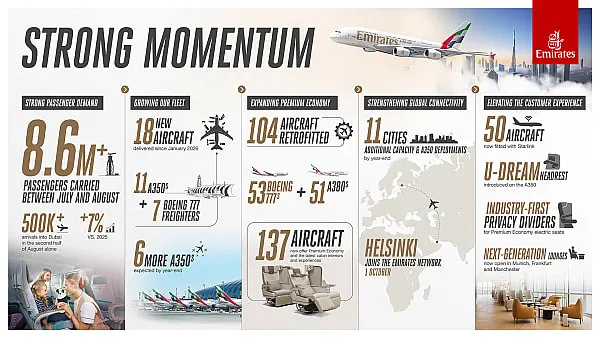
Emirates Winter Booking Momentum Grows Amid Fleet Expansion
Emirates carried 8.6 million passengers this summer and enters winter with strong demand as it accelerates fleet retrofits and network growth.
Air Arabia Consortium Gains AOC for New Dammam Budget Airline
A Saudi GACA-led consortium including Air Arabia has secured an AOC to launch a new budget airline based at Dammam's King Fahd International Airport.
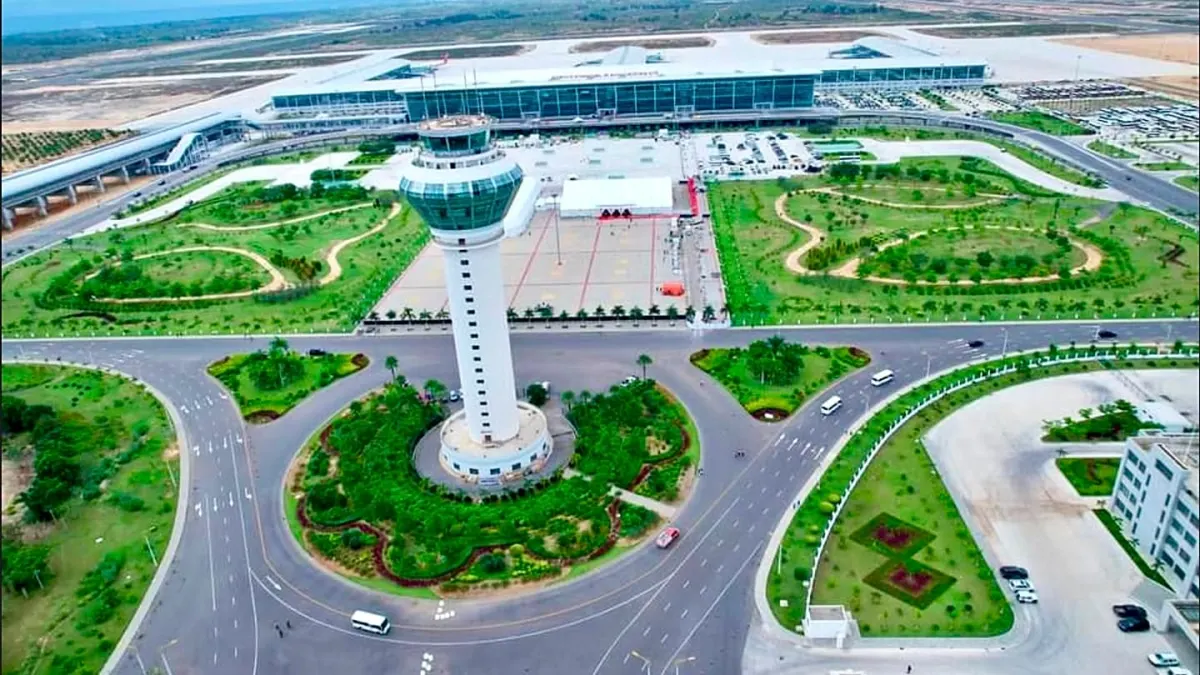
Turkish Airlines Exits Luanda as Angola Hub Struggles
Turkish Airlines dropped its Luanda route as Angola's new airport struggles to attract traffic, handling only 756,028 passengers in 2025.

Red Sea Airlines Leases Two 737 MAX 8s for 2027 Expansion
Red Sea Airlines signed a lease for two Boeing 737 MAX 8 aircraft from SMBC Aviation Capital, arriving in 2027 to support its 14-aircraft fleet goal.
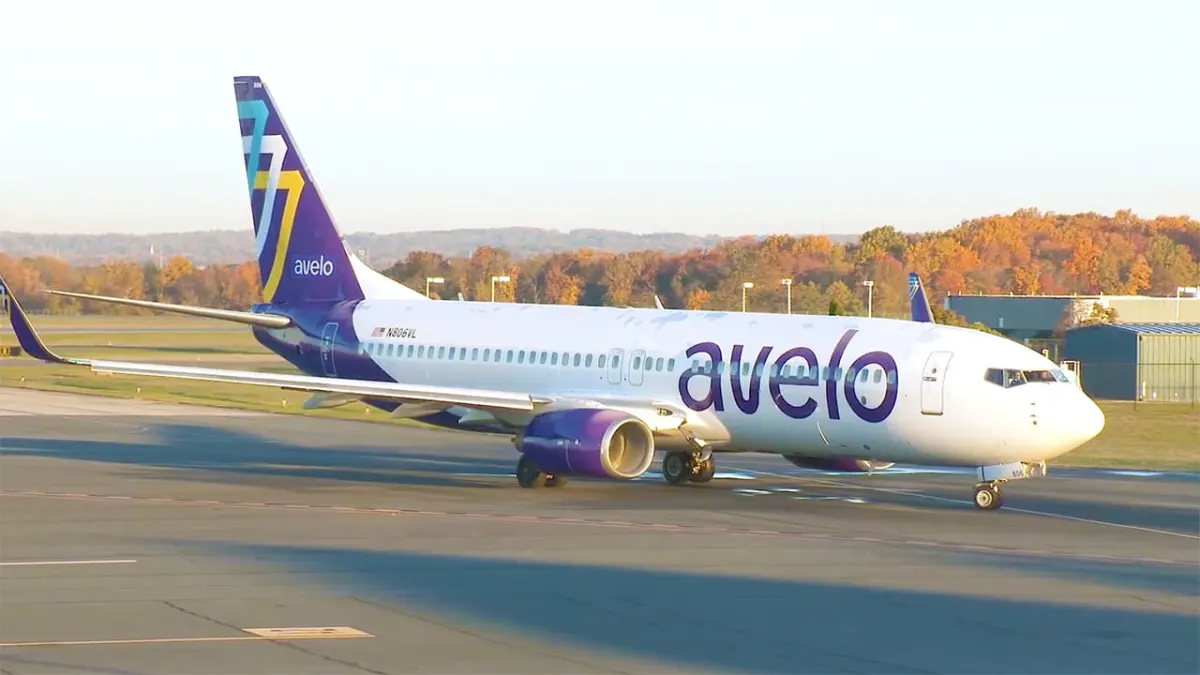
Avelo CEO Warns Airfares May Rise on Jet Fuel Price Spikes
Avelo Airlines CEO Andrew Levy warns that rising fuel costs may force fare increases as global jet fuel prices reach $171.01 per barrel.
IndiGo, Air India Battle for Mumbai-Delhi Route Dominance
IndiGo and the Air India group are competing for dominance on the Mumbai-Delhi air route, which saw 13.9 percent capacity growth this September.