Delta Air Lines Surpasses 1,000 Aircraft Milestone

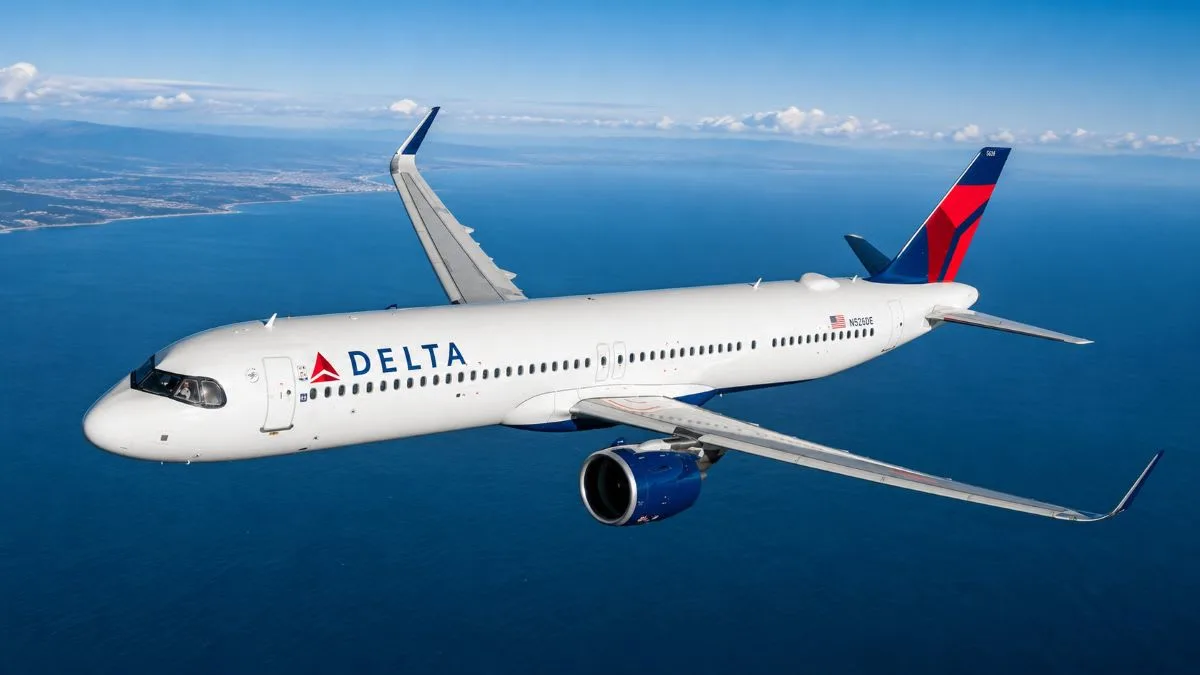
Delta Air Lines has surpassed 1,000 active mainline aircraft, marking a major fleet expansion focused on premium passenger offerings.
Key Takeaways
- •Delta fleet surpassed 1,000 active mainline aircraft in 2026.
- •New A350-1000 widebodies will feature a 50% premium seat mix.
- •Over 800 aircraft will receive modernized interior designs by 2031.
- •Fleet renewal aims for 20-30% better fuel efficiency per seat.
Reaching the 1,000 Aircraft Milestone
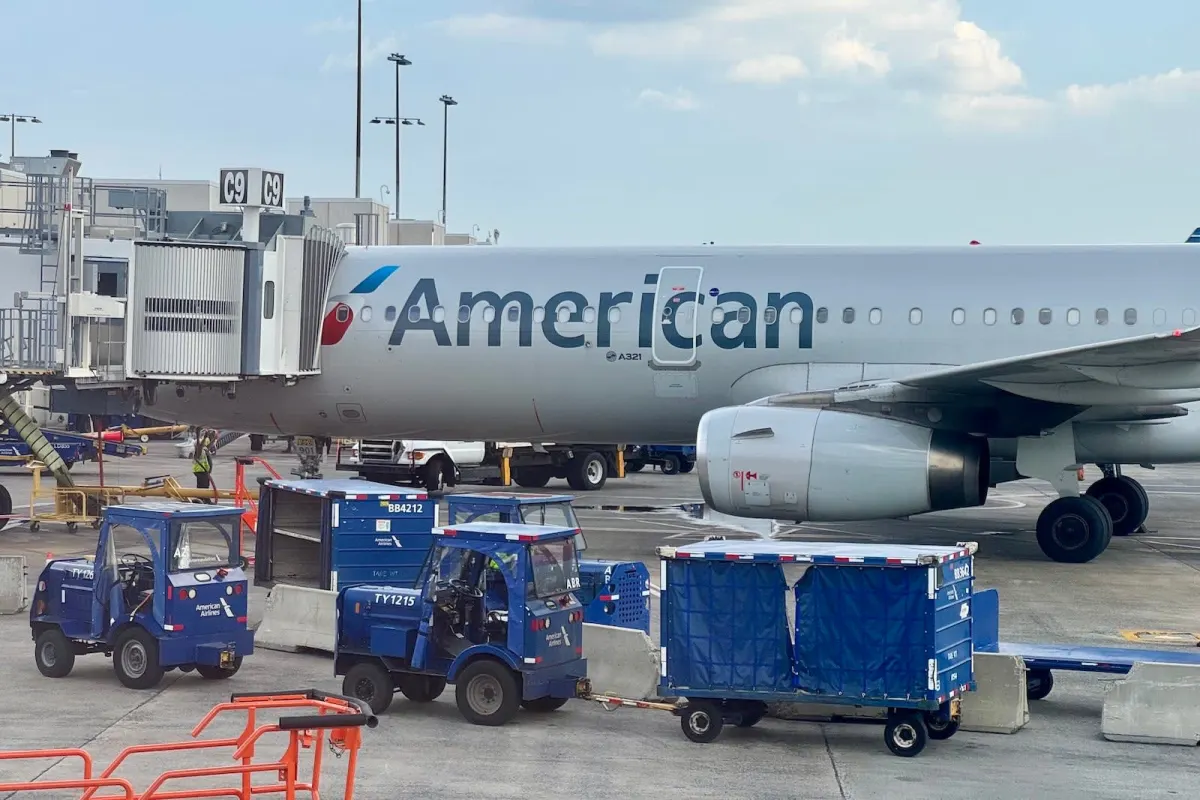
Delta Air Lines has officially surpassed the threshold of 1,000 active mainline aircraft, a significant corporate milestone that places the carrier in an exclusive tier alongside its primary domestic legacy competitors. This growth in Delta Air Lines fleet size reflects a broader shift in the airline's operational strategy, which is heavily focused on Delta fleet modernization and the integration of next-generation, high-efficiency aircraft. By reaching this scale, the airline has achieved operational parity with American Airlines and United Airlines, solidifying the 'Big Three' structure of the US aviation market.
Driving Premium Cabin Strategy
Central to this expansion is a strategic pivot toward Delta premium seating, specifically targeting high-yield leisure and corporate travelers. According to the company's latest premium product updates, the airline is investing over $1 billion into cabin interior upgrades. A key component of this initiative is the upcoming introduction of next-generation Delta One suites. Furthermore, the airline has confirmed that its future widebody fleet, including the Airbus A350-1000, will feature a 50% premium seat mix. This aggressive configuration aims to capture increased demand for premium travel products across domestic and international routes.
Fleet Renewal and Sustainability
The airline's fleet renewal program is moving forward with the acquisition of high-efficiency narrowbody models, such as the Airbus A321 New Engine Option (A321neo), and widebody jets like the Boeing 787-10. These aircraft are designed to offer 20-30% better fuel efficiency compared to the older models they are replacing. Kristen Bojko, Delta's Vice President of Fleet, stated that the exercise of these options allows the airline to improve its cost structure while supporting sustainability goals. Delta expects more than 800 aircraft in its fleet to feature these modernized interior designs within the next five years.
The Environmental Outlook
While the integration of next-generation aircraft is projected to reduce per-seat fuel burn by up to 25%, some environmental analysts maintain a cautious perspective. According to sustainability groups, the sheer scale of a 1,000-aircraft fleet means that absolute carbon emissions remain substantial. While the modernization efforts are a positive step for efficiency, the expansion of total capacity presents ongoing challenges for the airline’s long-term emissions reduction targets.
Inside the Fleet Modernization Math
Historically, the transition to a 1,000-aircraft fleet has been a hallmark of US legacy carriers seeking to dominate market share. In the mid-2010s to 2020s, both United and American utilized similar growth patterns to solidify their competitive positioning. Delta's current trajectory follows this established pattern but differentiates itself through a higher density of premium cabin configurations. The shift toward the A350-1000 and A321neo represents a deliberate move to lower unit costs while simultaneously increasing revenue per available seat mile through high-yield cabin offerings.
Entry into Service for New Widebodies
Looking ahead, the airline is preparing for the entry into service of its first Airbus A350-1000 widebody aircraft. This milestone, expected in early 2027, will mark the debut of the newest iteration of the Delta One suites. This delivery schedule serves as a critical checkpoint for the carrier’s premium-heavy cabin rollout, with further fleet additions expected to follow through the end of the decade.
Why This Matters for the Industry
For manufacturers like Airbus and Boeing, Delta’s commitment to fleet renewal secures long-term production backlogs for critical programs. For passengers, the shift signals an era of more consistent, high-end cabin experiences across a larger portion of the network. This development positions Delta to compete more effectively for premium market share while maintaining the operational scale required to support its global route network.
Frequently Asked Questions
- How many active mainline aircraft does Delta Air Lines operate?
- Delta Air Lines has officially surpassed the 1,000 active mainline aircraft milestone, making it the third US commercial airline to reach this scale.
- What premium features are included in Delta's new A350-1000 aircraft?
- Delta's upcoming A350-1000 widebody aircraft will feature a 50% premium seat mix and will debut the next-generation Delta One suites.
omniflights.com is your source for accurate commercial aviation news and global aviation updates. From aircraft production to supply chains, commercial aviation manufacturing news is covered at omniflights.com/manufacturing.

Written by Ujjwal Sukhwani
Aviation News Editor & Industry Analyst delivering clear coverage for a worldwide audience. Covers flight operations, safety regulations, and market trends with expert analysis.
Visit ProfileYou Might Also Like

EasyJet Cuts 700k Winter Seats as Fuel Costs Climb

PIA to Lease Two Norse Atlantic 787-9s for UK Routes
Kalitta Air Evaluates Airbus A350F for Cargo Modernization

American Airlines Expands Starlink to 1,000+ Mainline Jets
Emirates May Convert 35 Boeing 787s to 777X Jets