Delta A350 Turbulence Injures 3 Crew on Descent into Sydney

Co-Founder & CEOAviation News Editor delivering trusted coverage across the global aviation industry.

A Delta Air Lines flight from Los Angeles to Sydney encountered severe turbulence, resulting in the hospitalization of three crew members upon arrival.
Key Takeaways
- •Hospitalized three Delta Air Lines crew members after an Airbus A350 hit severe turbulence.
- •Triggered a safety review by the Australian Transport Safety Bureau (ATSB).
- •Occurred on flight DL41 from Los Angeles to Sydney with 245 passengers and 15 crew.
- •Reinforces an industry trend of increasing turbulence events linked to climate change.
A Delta Air Lines flight encountered severe turbulence during its descent into Sydney on Friday, March 20, 2026, resulting in injuries to crew members and prompting an emergency medical response upon landing. The incident involved flight DL41, an Airbus A350-900 operating from Los Angeles International Airport (LAX) to Sydney Kingsford Smith Airport (SYD). Three flight attendants were transported to a local hospital for treatment.
The event underscores the persistent and growing risk of in-flight turbulence, particularly for cabin crew who are often mobile within the cabin. With 245 passengers and 15 crew members on board, the aircraft landed safely at 6:48 a.m. local time. The Australian Transport Safety Bureau (ATSB), the national transport safety investigator, is expected to review the occurrence, which falls under its mandate for investigating safety incidents within Australian territory.
Incident Details and Response
Upon arrival at SYD, Delta flight 41 was met by paramedics from New South Wales Ambulance (NSW Ambulance). According to an official statement from the agency, a total of five individuals were assessed at the scene. Three flight attendants were subsequently transported to Royal Prince Alfred Hospital with what were described as minor injuries. Lisa Frow, the NSW Ambulance Mascot station manager, noted the injured crew suffered from "musculoskeletal and lower back concerns."
Delta Air Lines confirmed the event in a statement. "Delta flight 41 from Los Angeles encountered brief turbulence upon descent into Sydney," a spokesperson said. "Nothing is more important than the safety of our people and our customers, and our priority is taking care of the impacted crew members." The airline's operations are governed by the Federal Aviation Administration's (FAA) Part 121 operating requirements, which dictate safety and crew procedures for U.S. carriers.
The primary impact was on the flight attendants, who sustained injuries requiring hospitalization and will likely need medical leave. For Delta's operations, the incident necessitates mandatory structural inspections of the Airbus A350, potentially causing short-term delays for the return flight to LAX. The emergency response at Sydney Airport involved the deployment of tarmac medical teams, a standard procedure that temporarily drew on resources during a busy morning arrival period.
Broader Context of Turbulence Incidents
This event is the latest in a series of significant turbulence encounters on long-haul routes. It draws comparisons to the May 2024 Singapore Airlines flight SQ321 incident, where severe turbulence resulted in one fatality and 71 injuries, triggering a global review of inflight seatbelt policies. Similarly, a LATAM Airlines flight LA800 to Oceania in March 2024 caused 50 injuries after a sudden drop. These precedents highlight the severe risks posed by unexpected turbulence, even on modern widebody aircraft equipped with advanced weather detection systems.
Delta Air Lines itself has recent experience with such events, including a July 2025 incident where a flight was diverted and 25 people were hospitalized. These repeated occurrences have accelerated an industry trend toward stricter enforcement of inflight seatbelt rules, with many carriers now mandating that passengers remain buckled in at all times while seated.
Technical Analysis: A Persistent Operational Risk
The increasing frequency of such events aligns with data from atmospheric scientists. Studies indicate that severe clear-air turbulence (CAT) has increased by as much as 55% on busy flight paths since 1979, a trend linked to climate-driven changes in high-altitude jet streams. This development presents a significant challenge for airlines, as CAT is often invisible to conventional onboard weather radar. While forecasting models are improving, the phenomenon remains a critical operational risk. From a labor safety perspective, aviation unions like the Association of Flight Attendants-CWA have argued that current service protocols can expose cabin crew to unnecessary risk, advocating for stricter rules mandating they be seated during more phases of flight.
What Comes Next
The immediate aftermath will focus on both the crew's recovery and the aircraft's airworthiness. The Airbus A350 involved in the incident is expected to undergo a thorough structural inspection by Delta TechOps and be cleared for return to service by March 22, 2026.
From a regulatory standpoint, the ATSB is expected to release its preliminary investigation report into the incident by April 2026. This report will likely detail the flight data recorder information, meteorological conditions, and crew actions during the turbulence event.
Why This Matters
This incident is more than an isolated operational disruption; it serves as a stark reminder of the escalating threat turbulence poses to aviation safety. For airlines and regulators, it reinforces the need for enhanced forecasting technology, dynamic route planning, and stricter cabin safety protocols. For flight crews, it highlights the occupational hazards of their work, potentially fueling further calls for policy changes that prioritize their safety during vulnerable phases of flight.
From airline operations to fleet updates, commercial aviation news lives at omniflights.com. Track policy changes, airspace rules, and global aviation governance in the Regulatory category at omniflights.com/regulatory.
Written by Hardik Vishwakarma
Co-Founder & Aviation News Editor leading initiatives that improve trust and visibility across the global aviation industry. Covers airlines, airports, safety, and emerging technology.
Visit ProfileYou Might Also Like
Discover more aviation news based on similar topics

Families Demand DCA Midair Collision Safety Reforms
Families of 67 victims from the 2025 DCA midair collision are pressing Congress for mandatory ADS-B In technology to prevent future aviation tragedies.
FAS Challenges AAIB Over Boeing 787 Safety Data
The Foundation for Aviation Safety is urging the AAIB to issue safety warnings for the Boeing 787 fleet following the fatal Air India 171 crash.
NTSB Safety Recommendations Lag Amid 6 Monthly Near-Misses
Approximately 6 near-miss incidents occur monthly at U.S. airports as 270 NTSB safety recommendations remain unaddressed by federal regulators.
NTSB Rejects FAA Safety Responses After 67-Fatality Crash
The NTSB labeled 11 FAA responses to 2025 DCA mid-air collision recommendations as unacceptable, citing the lack of a mandatory ADS-B In requirement.
EASA Orders Urgent Airbus A380 Wing Spar Inspections
The EASA ordered urgent inspections on 16 Airbus A380s after discovering wing spar cracks that could compromise structural integrity.
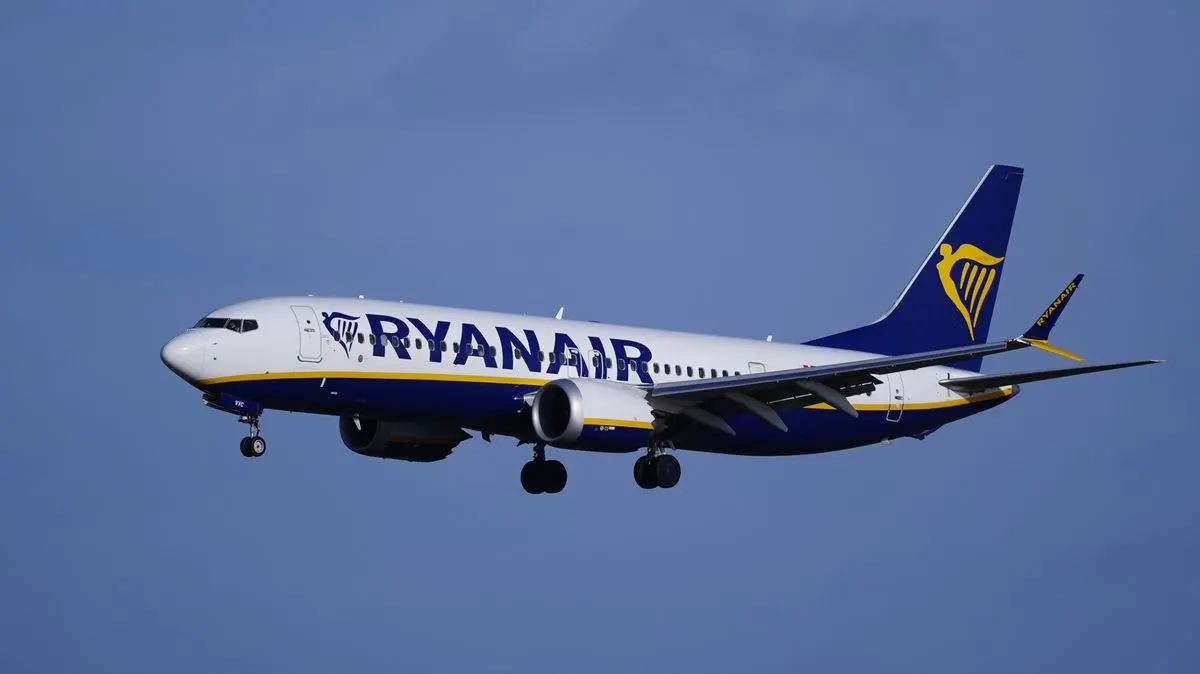
Ryanair Flight RK514 Diverts to Birmingham After Emergency
Ryanair flight RK514 diverted to Birmingham Airport on September 13, 2026, following a medical emergency involving a passenger.