Delta A350 and Air Canada 777 Clip Wings at LAX

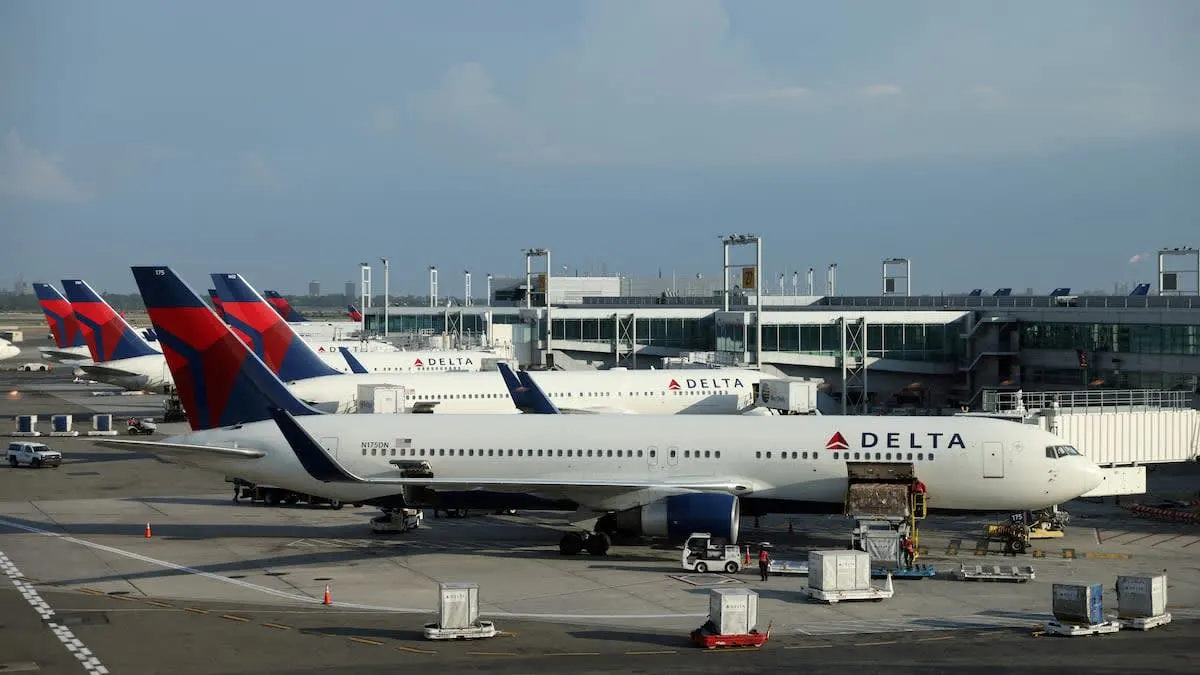
A Delta Air Lines Airbus A350 clipped an Air Canada Boeing 777 at LAX on October 6, 2026, prompting an investigation by federal authorities.
Key Takeaways
- •Delta A350 and Air Canada 777 collided on the LAX tarmac.
- •No injuries reported among the 290 people on the Delta flight.
- •FAA and NTSB are investigating the cause of the ground collision.
- •Air Canada 777 removed from service for structural inspections.
A Delta Air Lines Airbus A350 and an Air Canada Boeing 777 were involved in a ground collision at Los Angeles International Airport (LAX) on the morning of October 6, 2026. The incident, which occurred at approximately 10:30 a.m. local time, resulted in a wingtip strike that caused structural contact between the two wide-body aircraft.
Incident Dynamics and Immediate Response
The Delta flight, bound for Japan and carrying 275 passengers and 15 crew members, was taxiing for departure when its left wingtip struck the horizontal stabilizer of the Air Canada 777, which had just arrived from Toronto. According to air traffic control audio captured during the event, the Air Canada pilot reported feeling a "shudder" and requested a status check, while the Delta pilot simultaneously initiated a stop, citing an "issue with the wing tip." No injuries were reported among the passengers or crew on either aircraft.
Following the collision, Air Canada removed its aircraft from service to undergo comprehensive structural inspections. Delta Air Lines issued a statement apologizing for the experience and the resulting travel delays, emphasizing that safety remains the primary priority for its operations and personnel. Both the Federal Aviation Administration (FAA) and the National Transportation Safety Board (NTSB) have launched investigations to determine the cause of the contact, assess taxiway clearance protocols, and review air traffic control instructions provided to the flight crews.
Operational Impacts and Stakeholder Scrutiny
The collision carries significant operational consequences for both carriers. Delta’s maintenance operations must now manage the repair of its flagship A350, which has been pulled from long-haul international service. Similarly, Air Canada faces the loss of a high-capacity 777, requiring extensive inspections and potential repairs to its horizontal stabilizer.
LAX ground operations and air traffic control teams are now under increased scrutiny. Regulatory agencies are reviewing taxiway clearances and ground movement procedures for wide-body aircraft. Some aviation ground handling commentators have suggested that investigators will focus on the A350’s taxi clearance and the pilot's situational awareness, rather than the positioning of the Air Canada aircraft, to determine primary responsibility.
Historical Precedents and Industry Trends
This incident mirrors previous ground collisions at major hubs involving large wide-body aircraft. In September 2024, a Delta A350 severed the tail of an Endeavor Air CRJ-900 at Atlanta, requiring extensive repairs. Historically, the April 2011 collision between an Air France A380 and a Comair CRJ-700 at John F. Kennedy International Airport led to a comprehensive revision of taxiway clearance procedures for super-jumbo aircraft.
Technical Specifications: Airbus A350-900 vs Boeing 777
| Metric | Airbus A350-900 | Boeing 777 |
|---|---|---|
| Wingspan | 212 ft 5 in (64.75 m) | 199 ft 11 in to 212 ft 7 in (60.9 m to 64.8 m) |
The NTSB Investigation Path
The NTSB is expected to release a preliminary investigation report between late October and November 2026. This document will likely detail the specific taxiway geometry and the sequence of communications between the flight crews and ground controllers. The findings will be critical in determining whether the incident points to a systemic issue in ground handling at major US airports.
Why This Matters for Aviation Safety
This event highlights the ongoing challenge of managing ground traffic for large wide-body aircraft at congested airports like LAX. The incident signals a need for renewed focus on taxiway clearance protocols, especially as airlines continue to deploy larger aircraft types. For travelers, the event underscores the importance of ground-side safety and the rigorous inspection processes that follow even minor tarmac contact.
Frequently Asked Questions
- What caused the ground collision at LAX between the Delta and Air Canada aircraft?
- The collision occurred when the left wingtip of a taxiing Delta Airbus A350 struck the horizontal stabilizer of an Air Canada Boeing 777 that had just landed. The Federal Aviation Administration and the National Transportation Safety Board are currently investigating the incident to determine the specific cause.
- Are there any injuries reported from the Delta and Air Canada ground collision?
- No injuries were reported among the 275 passengers and 15 crew members on board the Delta flight, or among those on the Air Canada aircraft.
omniflights.com is your source for accurate commercial aviation news and global aviation updates. For detailed airline coverage, route changes, and fleet moves, explore the Airlines section at omniflights.com/airlines.

Written by Shashank Shukla
Co-Founder & CTO leading the engineering and AI systems behind Omni Flights. Covers aviation technology, flight safety, aircraft manufacturing, and emerging aerospace developments.
Visit ProfileYou Might Also Like
21 Air Flight 7598 Crash: NTSB Probes Pilot Pairing
British Airways BA295 and Flydubai FZ1073 Emergency Events
British Airways BA295 Makes Emergency Landing at Heathrow
Airbus Orders A330neo HTP Inspection After Tool Discovery

Flydubai FZ1073 Hijacking: Crew Thwarts Mid-Air Attack