Delta A220 Makes Emergency Landing in Chicago After Fumes

Co-Founder & CTOCo-Founder & CTO driving the technology and data systems behind Omni Flights.
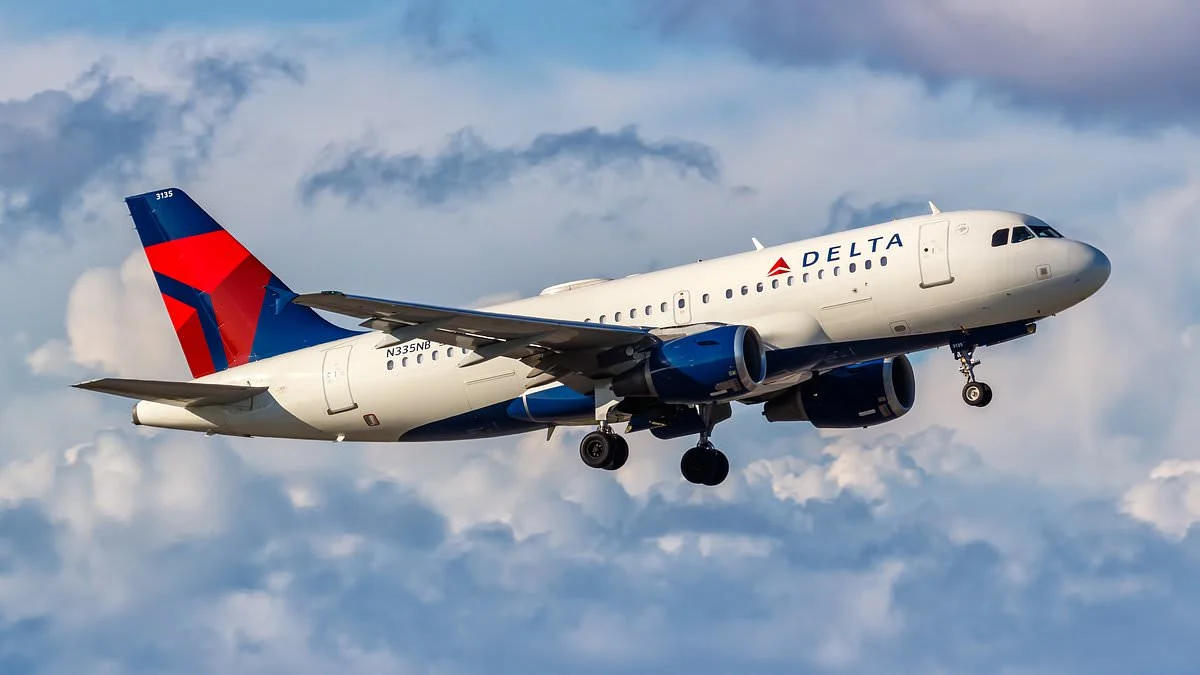
Delta Flight 1390 made an emergency landing at Chicago O'Hare International Airport on Tuesday after crew members detected fumes in the cabin.
Key Takeaways
- •Delta Flight 1390 landed safely in Chicago after cabin fumes were detected.
- •Two Delta A220 aircraft experienced fume events within a 48-hour period.
- •Both aircraft were grounded for TechOps maintenance and root-cause analysis.
- •Delta is investigating potential engine or APU seal issues on the A220s.
Emergency Diversion at Chicago O'Hare
Delta Flight 1390 made an unscheduled emergency landing at Chicago O'Hare International Airport (ORD) on Tuesday, September 8, 2026, after flight crew reported fumes within the cabin. The Airbus A220 (A220) aircraft, which was operating a flight from New York, declared an emergency to Air Traffic Control (ATC) to secure priority handling and immediate runway access. All 125 passengers and 5 crew members aboard the flight deplaned safely upon arrival.
This incident marks the second fume-related event for Delta Air Lines within a 48-hour window. On September 7, 2026, Delta Flight 1035—also an A220—diverted to Raleigh-Durham International Airport (RDU) following similar reports. That flight was carrying 113 people at the time of the diversion. In both instances, the aircraft were immediately removed from active service for comprehensive TechOps evaluations to identify the source of the contamination.
Maintenance and Safety Procedures
Under the Federal Aviation Administration (FAA) regulatory framework, aircraft involved in fume events must undergo rigorous maintenance inspections before returning to revenue service. These events, often categorized as bleed air contamination, occur when engine oil or hydraulic fluid inadvertently enters the cabin air conditioning system. While such events are statistically rare, Delta Air Lines utilizes a Safety Management System (SMS) to prioritize proactive groundings over schedule adherence. The airline stated that crew members followed established safety procedures to ensure the well-being of customers and staff.
Industry Context and Cabin Air Quality
These incidents highlight broader industry concerns regarding cabin air quality and the potential for bleed air contamination. The Association of Flight Attendants-CWA (AFA) has consistently advocated for mandatory onboard air quality sensors, arguing that current protocols may underestimate the health risks associated with chemical odors. Historically, similar events have required extensive mechanical investigations. For instance, in August 2023, a Spirit Airlines A320neo made an emergency landing due to an engine oil seal leak, an event that shares technical parallels with the challenges currently facing the Pratt & Whitney PW1500G-powered A220 fleet.
A220-300 vs. 737 MAX 7: Key Specifications
| Metric | Airbus A220-300 | Boeing 737 MAX 7 |
|---|---|---|
| Passenger Capacity (2-Class) | 130 | ~138 |
| Range | 3,450 nm | 3,800 nm |
| Engine Type | Pratt & Whitney PW1500G | CFM LEAP-1B |
Root Cause Analysis and Fleet Impact
The recurrence of these events within a two-day period necessitates a deep-dive investigation into the A220 airframe and engine components. Delta Air Lines is currently investigating whether these occurrences are isolated maintenance faults or indicative of a systemic component issue involving engine or APU seals. For the airline, the primary operational impact is a temporary reduction in fleet availability as the affected aircraft undergo unscheduled deep-dive inspections. Airbus and Pratt & Whitney may face increased scrutiny from regulators and operators if the investigation reveals a common failure point across the fleet.
Pending Maintenance Evaluations
Delta Air Lines is expected to complete its root-cause maintenance evaluations on the grounded A220 aircraft throughout September 2026. The Federal Aviation Administration (FAA) is expected to release preliminary incident reports for both the DL1390 and DL1035 diversions by late September 2026, providing further clarity on the operational factors involved.
Why This Matters for Airline Operations
These events underscore the critical importance of the Safety Management System (SMS) in modern commercial aviation. By choosing to divert and ground aircraft immediately upon the detection of odors, Delta Air Lines emphasizes a safety-first culture that prioritizes hazard mitigation over operational efficiency. For the broader industry, the outcome of these maintenance evaluations will serve as a key data point for other A220 operators managing similar fleet-wide air quality and engine seal maintenance cycles.
Frequently Asked Questions
- What happens when a Delta flight declares an emergency due to cabin fumes?
- The flight crew follows established safety procedures, including declaring an emergency with Air Traffic Control to receive priority handling. The aircraft is then grounded upon landing for a comprehensive maintenance evaluation by the airline's TechOps team to identify and rectify the source of the fumes.
- What is the significance of the two fume events involving Delta's A220 fleet?
- Because two fume events occurred on the same aircraft model within 48 hours, the airline is conducting deep-dive investigations to determine if there is a systemic component issue, such as an engine or APU seal failure, rather than isolated maintenance faults.
omniflights.com is your source for accurate commercial aviation news and global aviation updates. From aircraft production to supply chains, commercial aviation manufacturing news is covered at omniflights.com/manufacturing.
Written by Shashank Shukla
Co-Founder & CTO leading the engineering and AI systems behind Omni Flights. Covers aviation technology, flight safety, aircraft manufacturing, and emerging aerospace developments.
Visit ProfileYou Might Also Like
Discover more aviation news based on similar topics
Ryanair Flight RK514 Diverts to Birmingham After Emergency
Ryanair flight RK514 diverted to Birmingham Airport on September 13, 2026, following a medical emergency involving a passenger.
Amazon Suspends 21 Air After Fatal Miami 767 Runway Overrun
Amazon has suspended operations with 21 Air following a fatal Boeing 767 runway overrun at Miami International Airport that resulted in five deaths.
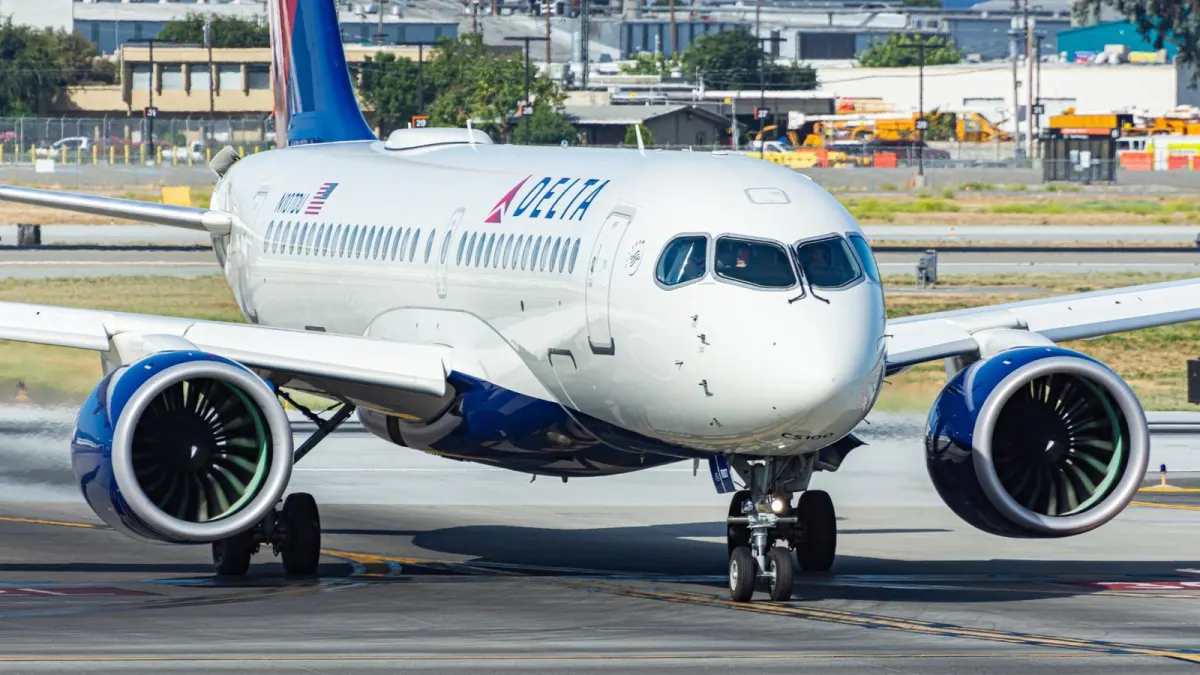
FAA Proposes A220 Fuel Line Inspections for US Operators
The FAA issued a proposed directive requiring inspection of motive-flow fuel lines on 13 US-registered Airbus A220s to prevent potential leaks.
NATS Denies Military Jet Role in UK ATC Outage
The UK Ministry of Defence denied its aircraft caused a NATS outage that led to over 2,000 flight cancellations and calls for CEO resignation.
21 Air Miami Crash: NTSB Investigates 767 Runway Overrun
A fatal 21 Air Boeing 767 crash at Miami International Airport has triggered an NTSB investigation amid scrutiny of Amazon Air's contract oversight.

Amazon Cargo Plane Crash: 5 Remembered After MIA Excursion
Five cleaning crew members died after an Amazon-contracted Boeing 767 overran the runway at Miami International Airport at 158 knots.