Delhi Airport Operations Disrupted by 120 kmph Dust Storm

Co-Founder & CEOAviation News Editor delivering trusted coverage across the global aviation industry.
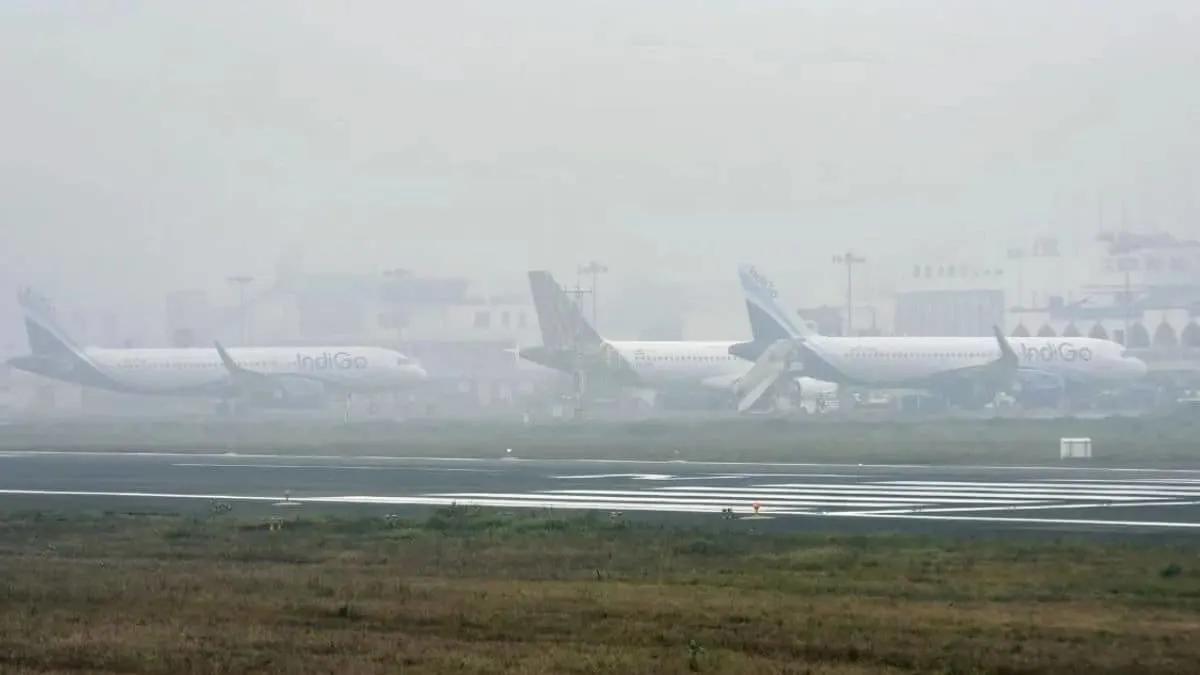
A severe dust storm at Delhi's IGI Airport caused flight delays and diversions, including IndiGo Flight 6E 717, after winds reached 120 kmph.
Key Takeaways
- •Dust storm wind gusts at Delhi reached 120 kmph, a 25-year record.
- •IndiGo flight 6E 717 diverted to Bengaluru due to severe weather.
- •IGI Airport handles over 79 million passengers, complicating recovery.
- •DGCA guidelines mandate conservative flight decisions during storms.
Delhi Airport Operations Impacted by Severe Dust Storm
Operations at Indira Gandhi International Airport (IGI) were significantly disrupted on Friday following a powerful pre-monsoon dust storm that swept through the National Capital Region. The extreme weather, characterized by wind gusts peaking at 120 kmph—a figure matching a 25-year-old record for the area—severely reduced visibility and forced a temporary halt to normal airfield activities. According to data from the India Meteorological Department (IMD) official portal, the storm triggered widespread flight delays and forced airlines to implement emergency contingency plans.
Operational Consequences and Flight Diversions
The sudden onset of the storm created significant challenges for ground handling providers and flight crews. High winds and lightning necessitated a pause in ramp operations, leading to congestion and aircraft turn-around delays. IndiGo confirmed that its flight operations were impacted, noting that passengers should expect extended wait times at check-in and security. In a notable operational shift, IndiGo Flight 6E 717, originally scheduled from Delhi to Hyderabad, was unable to complete its arrival due to convective weather and was subsequently diverted to Bengaluru. This decision reflects an industry trend toward proactive flight diversions, where carriers prioritize safety by routing to alternate hubs rather than entering extended holding patterns around severe weather cells.
Regulatory Context and Safety Protocols
The response to the storm is governed by the Directorate General of Civil Aviation (DGCA) guidelines, specifically the Operations Circular (OC) 04 of 2023. These regulations mandate that flight crews prioritize safety over schedule adherence, requiring conservative decision-making during severe thunderstorms and low visibility. The current protocols have been shaped by historical precedents, such as the June 2025 hailstorm incident involving an IndiGo aircraft, which resulted in a damaged nose cone and spurred the issuance of stricter monsoon flying guidelines.
Stakeholder Impact and Passenger Experience
For Delhi Airport, which handles over 79 million passengers annually, the disruption caused significant cascading effects for connecting travelers. The surge in weather-induced hurdles has placed immense pressure on ground staff to manage ramp safety while maintaining passenger throughput. While airlines have utilized digital-first communication tools to provide real-time updates, passenger rights advocates have noted that such weather events often mask deeper operational issues. They argue that carriers may use meteorological disruptions to avoid compensation for delays that are exacerbated by tight crew scheduling and a lack of reserve aircraft, though airlines maintain that safety remains the primary driver for all flight adjustments.
Technical Analysis: Managing Convective Weather
The intensity of the June 2026 dust storm highlights the recurring vulnerability of IGI Airport to pre-monsoon squalls. The reliance on proactive diversion strategies indicates a shift in airline operational philosophy, moving away from the high-risk environment of holding patterns during convective activity. By diverting early, carriers like IndiGo avoid the potential for fuel emergencies and exceedance of crew duty-time limitations. This approach, while disruptive to individual schedules, significantly lowers the systemic risk profile for the airport. As the IMD continues to monitor the region for further thunderstorm activity, the Airports Authority of India and Delhi International Airport Limited (DIAL) are conducting immediate post-storm infrastructure inspections to ensure runway integrity and navigational aid accuracy.
What Comes Next: Infrastructure and Recovery
Following the dissipation of the storm, the primary focus for airport authorities is the restoration of full operational capacity. DIAL and the Airports Authority of India are currently conducting post-storm infrastructure inspections to verify that all runway lighting and ILS (Instrument Landing System) components are functional. Passengers are advised to continue monitoring their carrier's live flight status, as the backlog from the ground stops is expected to cause residual delays through the remainder of the weekend. Airlines are expected to prioritize the rebooking of affected passengers, though the volatility of the weather system suggests that further schedule adjustments may occur if additional thunderstorms develop as forecast by the IMD.
Frequently Asked Questions
- Why did IndiGo flight 6E 717 divert to Bengaluru?
- The flight, originally scheduled from Delhi to Hyderabad, was diverted to Bengaluru as a safety precaution due to severe convective weather and poor visibility around the intended destination.
- What wind speeds were recorded during the Delhi dust storm?
- The India Meteorological Department recorded wind gusts peaking at 120 kmph at the Palam station, which matches a 25-year-old record for the area.
From airline operations to fleet updates, commercial aviation news lives at omniflights.com. Track policy changes, airspace rules, and global aviation governance in the Regulatory category at omniflights.com/regulatory.
Written by Hardik Vishwakarma
Co-Founder & Aviation News Editor leading initiatives that improve trust and visibility across the global aviation industry. Covers airlines, airports, safety, and emerging technology.
Visit ProfileYou Might Also Like
Discover more aviation news based on similar topics
Ryanair Flight RK514 Diverts to Birmingham After Emergency
Ryanair flight RK514 diverted to Birmingham Airport on September 13, 2026, following a medical emergency involving a passenger.

Amazon Suspends 21 Air After Fatal Miami 767 Runway Overrun
Amazon has suspended operations with 21 Air following a fatal Boeing 767 runway overrun at Miami International Airport that resulted in five deaths.
FAA Proposes A220 Fuel Line Inspections for US Operators
The FAA issued a proposed directive requiring inspection of motive-flow fuel lines on 13 US-registered Airbus A220s to prevent potential leaks.
NATS Denies Military Jet Role in UK ATC Outage
The UK Ministry of Defence denied its aircraft caused a NATS outage that led to over 2,000 flight cancellations and calls for CEO resignation.

21 Air Miami Crash: NTSB Investigates 767 Runway Overrun
A fatal 21 Air Boeing 767 crash at Miami International Airport has triggered an NTSB investigation amid scrutiny of Amazon Air's contract oversight.

Amazon Cargo Plane Crash: 5 Remembered After MIA Excursion
Five cleaning crew members died after an Amazon-contracted Boeing 767 overran the runway at Miami International Airport at 158 knots.