COMAC C919-600 Variant Begins Taxi Tests

Co-Founder & CEOAviation News Editor delivering trusted coverage across the global aviation industry.

COMAC has commenced taxi testing for the C919-600, a specialized Chinese narrowbody aircraft designed for high-altitude plateau operations.
Key Takeaways
- •COMAC began taxi tests for the high-altitude C919-600 variant.
- •Tibet Airlines is the launch customer for 40 C919-600 units.
- •C919-600 capacity is reduced to 138-160 seats for plateau performance.
- •Commercial service entry is expected for 2028.
COMAC Advances Plateau Variant Testing
The Commercial Aircraft Corporation of China (COMAC) has initiated ground taxi tests for the C919-600, a new derivative of its narrowbody jet family optimized for high-altitude plateau operations. The testing phase, which utilizes prototype B-002U at the manufacturer’s Shanghai Pudong facilities, marks a critical development for the Chinese narrowbody aircraft market. This specialized variant is specifically engineered to maintain performance margins in environments where reduced air density typically degrades engine thrust and aerodynamic lift.
Strategic Niche for Tibetan Routes
By reducing the fuselage length and passenger capacity, COMAC engineers have tailored the platform to address the operational challenges of high-elevation airports. The C919-600 features a reduced capacity of 138 to 160 seats, a significant adjustment from the standard C919-100’s 158 to 192 seats. This design shift mirrors the industry trend of developing specialized 'hot and high' aircraft, similar to the Airbus A319, which has historically dominated the Tibetan plateau aviation market. The shortened fuselage, estimated at approximately 34 meters compared to the 38.9-meter standard model, is intended to improve the thrust-to-weight ratio for takeoff performance at extreme altitudes.
Stakeholder Impact and Market Competition
Tibet Airlines serves as the launch customer for this program, having placed a firm order for 40 units. Integrating domestic aircraft into its fleet allows the airline to reduce long-term reliance on Western original equipment manufacturers. For Airbus, the development represents direct domestic competition in China's niche high-altitude segment. Meanwhile, CFM International remains a critical partner, as the LEAP-1C engine must be optimized to meet the specialized thrust requirements of the plateau variant. Despite this progress, Western aviation analysts have noted that the C919 program remains reliant on specific imported components, which could present supply chain vulnerabilities if geopolitical conditions shift.
C919-600 vs. Standard C919-100: Key Specifications
| Metric | C919-600 | C919-100 |
|---|---|---|
| Fuselage Length | ~34 m | 38.9 m |
| Passenger Capacity | 138-160 seats | 158-192 seats |
| Target Range | ~3,000 km | 4,075-5,555 km |
The Certification Path for Plateau Operations
The Civil Aviation Administration of China (CAAC) maintains oversight of the program through a formal derivative type certification process. The manufacturer must prove that the aircraft’s aerodynamic and engine performance margins are sufficient for the unique thin-air environments found in Western China. Historically, the dominance of the Airbus A319 in this region resulted from its established performance in high-elevation scenarios; the success of the C919-600 will depend on its ability to replicate or exceed these operational metrics. The data suggests that COMAC is systematically building a full family of aircraft to capture a larger share of the domestic narrowbody market and minimize dependence on external suppliers.
Expected Certification and Service Timeline
Following the current taxi testing phase, the program is expected to move toward its first flight in 2027. Subject to successful flight trials and CAAC approval, the aircraft is projected to enter commercial service with Tibet Airlines in 2028. These milestones remain central to the manufacturer's strategy to expand its portfolio beyond standard commercial routes into specialized regional niches.
Why This Matters for Chinese Aviation
The development of the C919-600 signals a shift in the Chinese domestic aviation landscape, moving from broad market entry to the optimization of specialized regional capabilities. By targeting the high-altitude market, the manufacturer is directly challenging the historical monopoly of Western narrowbody platforms in Western China. For the industry, this underscores a broader trend of domestic fleet localization aimed at achieving technological self-sufficiency in critical operational segments.
Frequently Asked Questions
- What is the primary purpose of the COMAC C919-600 variant?
- The C919-600 is a specialized version of the C919 narrowbody jet designed specifically for operations from high-altitude plateau airports, where reduced air density requires improved engine thrust and aerodynamic lift.
- Which airline is the launch customer for the C919-600?
- Tibet Airlines is the launch customer for the C919-600 variant, having placed a firm order for 40 units of the aircraft.
Get breaking commercial aviation news and expert airline analysis at omniflights.com. Follow aviation sustainability efforts, emissions research, and green initiatives in the Environmental section at omniflights.com/environmental.
Written by Hardik Vishwakarma
Co-Founder & Aviation News Editor leading initiatives that improve trust and visibility across the global aviation industry. Covers airlines, airports, safety, and emerging technology.
Visit ProfileYou Might Also Like
Discover more aviation news based on similar topics

Boeing 777X Testing Spills Into 2027 Amid Certification Hurdles
Boeing expects some 777X testing to extend into 2027, though the manufacturer maintains its target for the first delivery of the aircraft that year.

Airbus A350F Completes Ground Tests Before Maiden Flight
Airbus has finished initial ground tests for the A350F, with the freighter set for a late 2026 maiden flight and a 2027 entry into service.
Airbus Delivers First A320neo From New Tianjin FAL
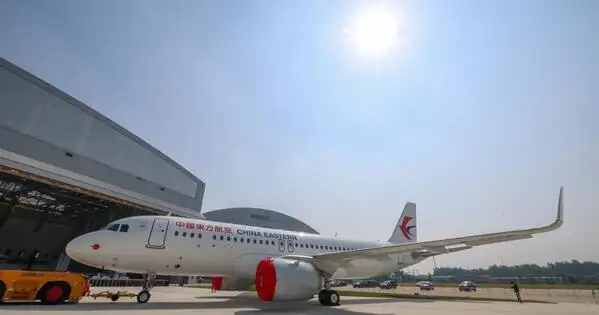
China Eastern Airlines took delivery of the first A320neo from Airbus's second Final Assembly Line in Tianjin, marking a key industrial milestone.
Boeing 777X Set for 2027 Debut With New Cabin Features
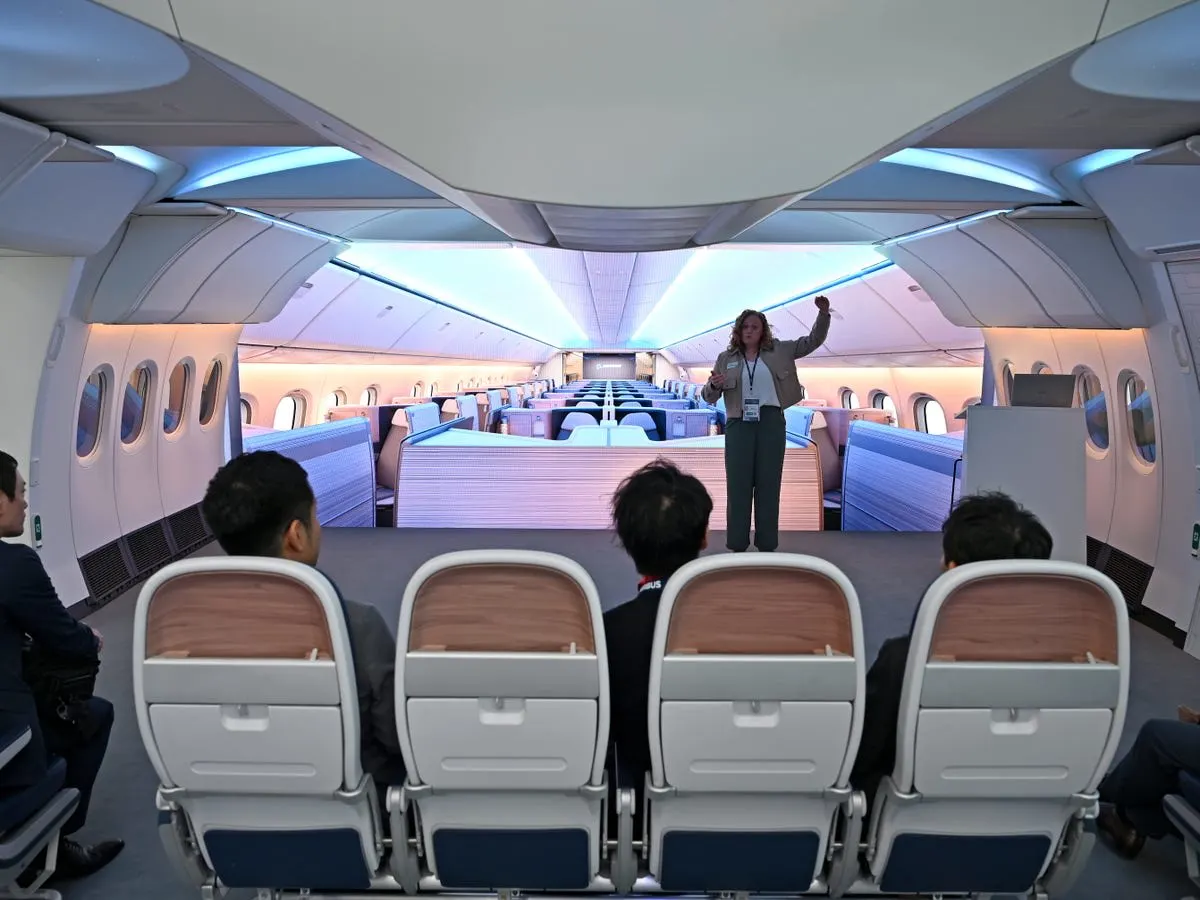
Boeing's 777X is expected to enter service in 2027, featuring cabin innovations designed to improve passenger comfort and premium travel capacity.
Boeing Awarded $562M Contract for MQ-25 Stingray Production
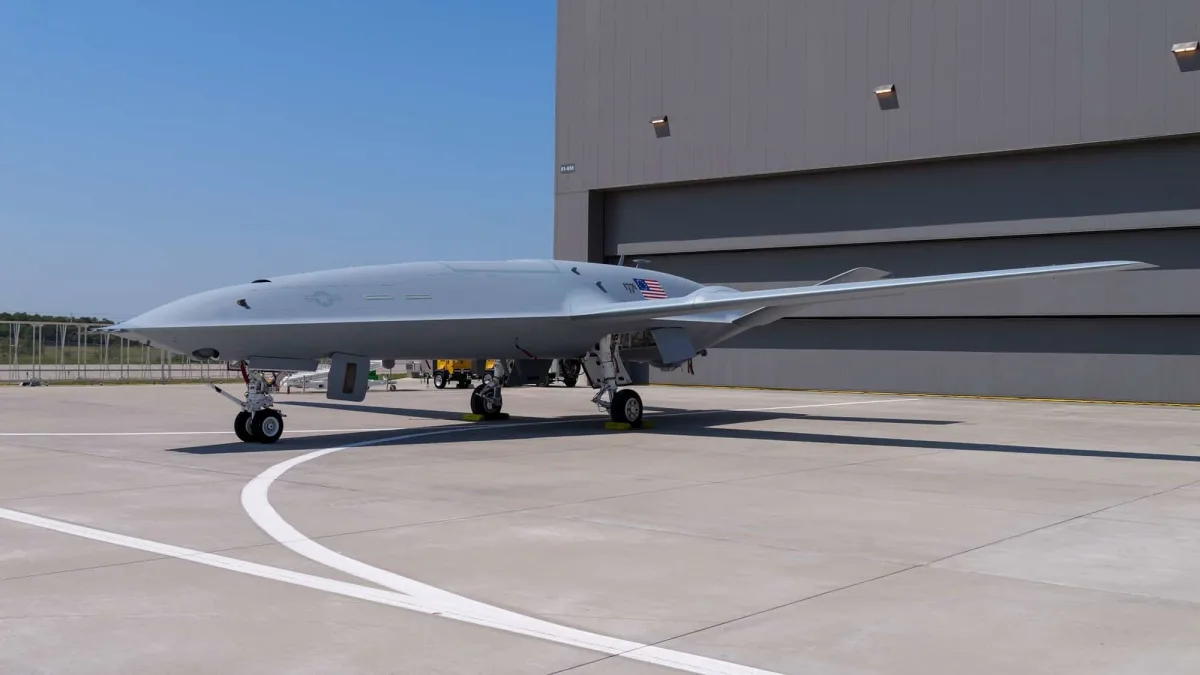
The U.S. Navy awarded Boeing a $562 million contract for the first three MQ-25 Stingray unmanned aerial refueling tankers, with deliveries expected in...

Boeing Logs 15 Gross Orders Including 13 787 Dreamliners
Boeing recorded 15 gross orders in August 2026, featuring 13 widebody 787 Dreamliner commitments from undisclosed customers.