Ciudad Real Airport Reopens for MRO After 14 Years

Co-Founder & CEOAviation News Editor delivering trusted coverage across the global aviation industry.
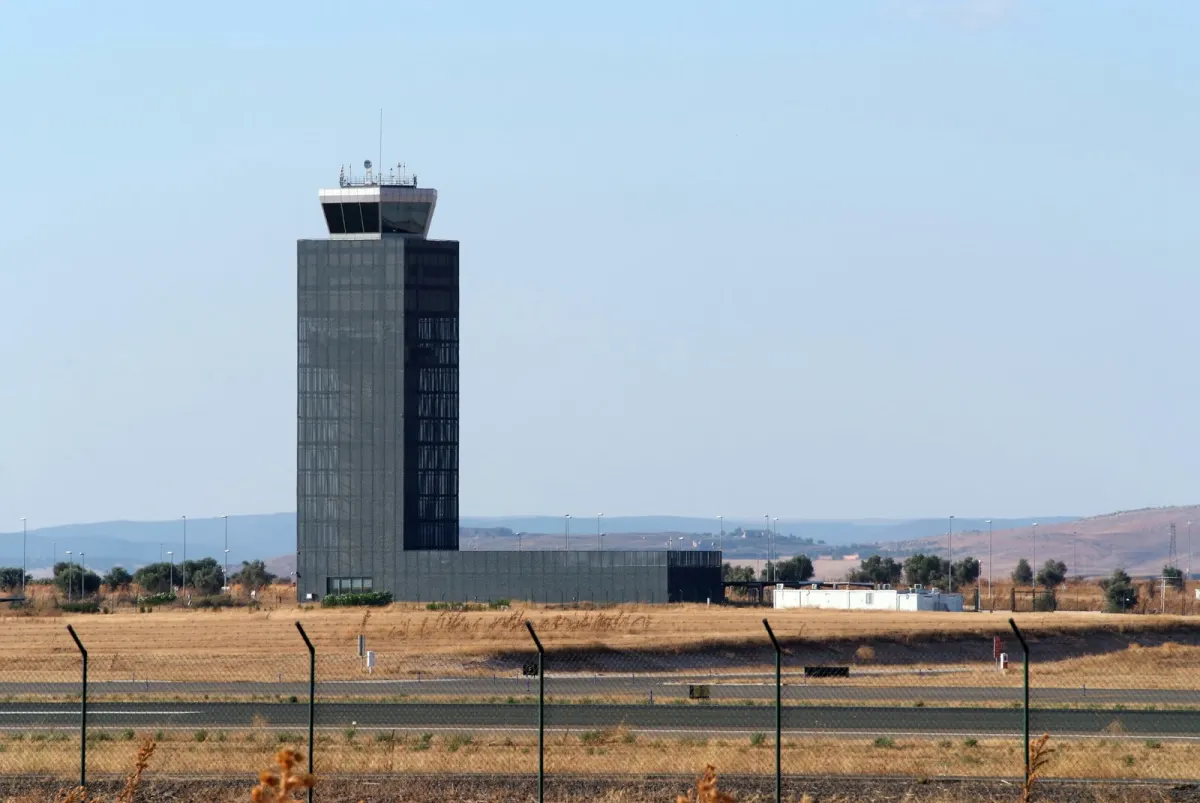
Ciudad Real International Airport is pivoting to a maintenance and cargo hub, launching a 25-year partnership with Sabena Technics to service 100 aircraft.
Key Takeaways
- •Ciudad Real pivots to MRO hub with 25-year Sabena Technics partnership.
- •Facility features a 4,100-meter runway capable of servicing 100 aircraft annually.
- •Projected to create 150 skilled aviation jobs within the first five years.
- •Airport acquired by CRIA for €56.2 million in 2016 following bankruptcy.
A New Operational Life for Ciudad Real
Spain’s long-abandoned Ciudad Real International Airport, frequently cited as the nation’s premier “ghost airport,” is transitioning into a specialized aviation services hub 14 years after its initial closure. The facility, which cost approximately €1.1 billion to construct, is moving away from its original failed ambition as a mass-market passenger gateway. Instead, it is pivoting toward a long-term strategy focused on Maintenance, Repair, and Overhaul (MRO), cargo logistics, and private aviation.
The revival is spearheaded by Ciudad Real International Airport S.L. (CRIA), which acquired the site for €56.2 million in 2016. The most significant development in this operational shift is a 25-year agreement with Sabena Technics, a major third-party MRO provider. This partnership aims to utilize the airport’s expansive infrastructure to service up to 100 aircraft annually. According to Sabena Technics, the new facility is projected to create 150 skilled aviation jobs within its first five years.
Infrastructure and Regulatory Framework
Unlike many regional airports, the facility possesses significant physical assets that support its new role. The airport features a single runway measuring 4,100 meters (13,450 feet), which remains one of the longest in Europe. This capacity allows it to accommodate large aircraft, including the Airbus A380, which were originally intended to serve millions of passengers. Technical specifications for the site are managed under the ICAO (International Civil Aviation Organization) code LERL and the IATA (International Air Transport Association) code CQM.
Regulatory compliance is currently managed through the Agencia Estatal de Seguridad Aérea (AESA), which oversees the certification required for the airport’s transition to a mixed-use general aviation and MRO facility. Additionally, the airport is pursuing authorization for a 7,200-square-meter cargo terminal as a Border Inspection Point (BIP), which would allow the facility to process perishable goods from outside the European Union. These details are documented in the ENAIRE Aeronautical Information Publication (AIP).
Industry Context and Strategic Pivot
This development reflects a broader European trend of repurposing underutilized infrastructure. Similar to the pivot seen at the Castellón-Costa Azahar Airport, which transitioned to become an MRO and storage hub after years of inactivity, Ciudad Real is leveraging its lower overhead costs and ample parking space to attract airlines and lessors. Analysts note that as major hubs like Madrid-Barajas reach capacity, secondary facilities are increasingly viable for non-commercial operations.
However, the project remains a point of contention. Critics, including Ecologistas en Acción, have argued that the original construction caused significant damage to local steppe bird habitats. Furthermore, Spanish financial oversight groups maintain that the limited commercial activity does not fully account for the substantial loss of public funds incurred during the project’s initial collapse in 2012.
Technical Comparison: Runway Lengths
| Metric | Ciudad Real (LERL) | Madrid Barajas (MAD) | Barcelona (BCN) |
|---|---|---|---|
| Runway Length | 4,100 m | 4,179 m | 3,480 m |
What Comes Next: Milestone Timeline
The facility is currently moving through a phased operational rollout. The commencement of Sabena Technics’ heavy maintenance operations is expected throughout 2026. Following this, CRIA is slated to award the concession for the 7,200-square-meter air cargo terminal by late 2026. These milestones mark the transition of the airport from a dormant asset to a functional, specialized industrial site.
Why This Matters for the Aviation Industry
For aviation stakeholders, the reopening of Ciudad Real serves as a case study in the lifecycle of “white elephant” infrastructure. By abandoning the pursuit of low-cost passenger traffic, the airport is positioning itself to capture demand in the growing independent MRO market. For the Castilla-La Mancha region, the shift provides a pragmatic path to economic utility, replacing the failed promise of mass tourism with the tangible, albeit smaller, benefits of specialized industrial employment.
Frequently Asked Questions
- What is the new primary function of Ciudad Real International Airport?
- The airport is pivoting to become a specialized aviation services hub, focusing on maintenance, repair, and overhaul (MRO) operations, cargo logistics, and private aviation rather than commercial passenger flights.
- How many jobs is the new MRO facility expected to create?
- The partnership with Sabena Technics is projected to create 150 skilled aviation maintenance and logistics jobs within the first five years of operation.
- Why was the airport initially considered a 'ghost airport'?
- The airport was built during a construction boom with a €1.1 billion budget but failed to attract sufficient airline demand, leading to bankruptcy and a full closure shortly after opening in 2008.
Stay ahead of the airline industry with commercial aviation news from omniflights.com. Stay informed on aviation incidents, investigations, and best practices in the Safety category at omniflights.com/safety.
Written by Hardik Vishwakarma
Co-Founder & Aviation News Editor leading initiatives that improve trust and visibility across the global aviation industry. Covers airlines, airports, safety, and emerging technology.
Visit ProfileYou Might Also Like
Discover more aviation news based on similar topics

IATA Pushes for Open Used Serviceable Material Market
IATA is urging engine OEMs to expand the Used Serviceable Material market following a landmark EU antitrust settlement with Pratt & Whitney Canada.

Virgin Atlantic A330 Retirement Boosts SAS Fleet Capacity
Virgin Atlantic is retiring its aging A330-300 fleet, with five airframes acquired by SAS to bridge near-term intercontinental capacity gaps.

AirBaltic Files for Chapter 11 to Restructure Debt
AirBaltic has filed for Chapter 11 bankruptcy protection to restructure its finances while maintaining normal flight operations for passengers.

Boeing Wins $241M Navy Contract for F/A-18 Surface Repairs
Boeing secured a $241.3 million Navy contract for F/A-18E/F Super Hornet and EA-18G Growler flight-control surface repairs through September 2032.

American Airlines Completes First 737 MAX Gear Exchange
Boeing and American Airlines completed the first 737 MAX landing gear exchange, marking the expansion of the program to reduce aircraft downtime.

Iberia Gains Unrestricted A350 Heavy Maintenance Approval
The Spanish aviation regulator AESA has granted Iberia Maintenance unrestricted authorization to perform heavy maintenance on the Airbus A350 fleet.