Cathay Pacific Cuts Flights as Europe Warns of Jet Fuel Shortage

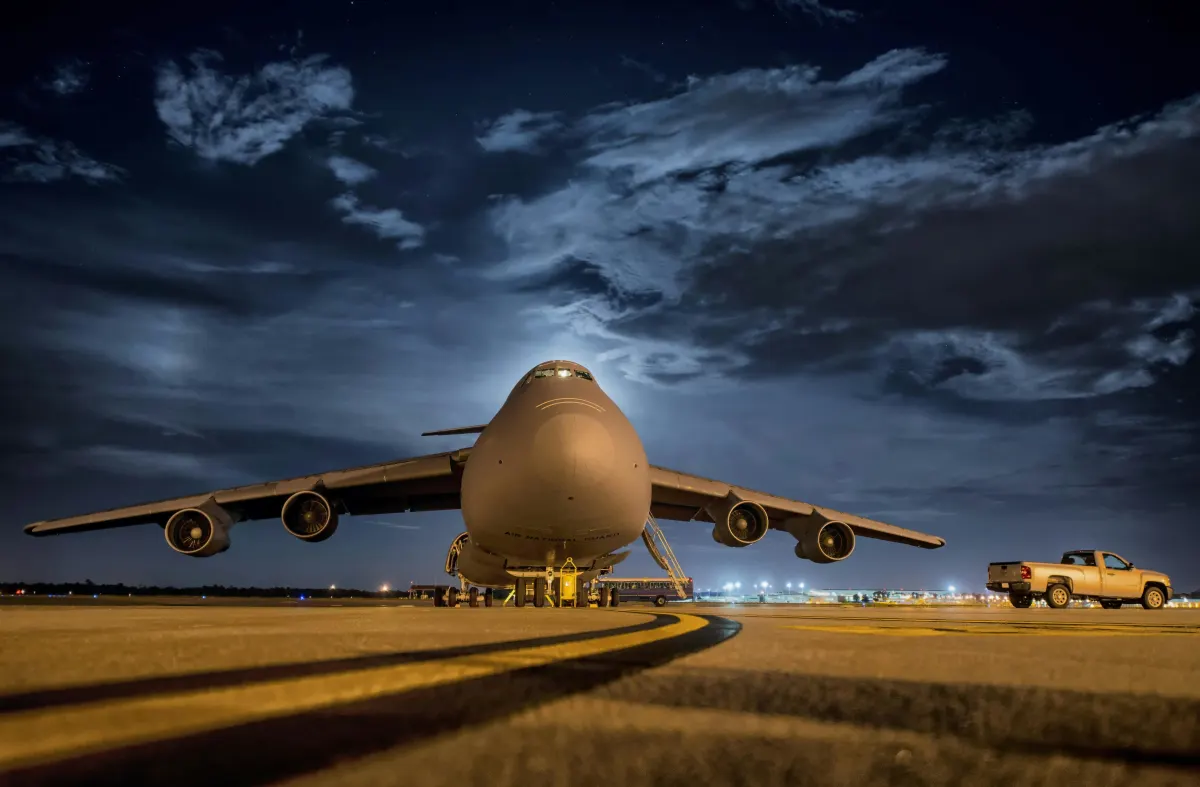
Cathay Pacific is cutting flights due to soaring jet fuel prices while ACI EUROPE warns of a systemic fuel shortage in Europe within weeks.
Key Takeaways
- •Cuts 2% of Cathay Pacific flights and 6% of HK Express flights from mid-May 2026.
- •Faces a doubling of jet fuel prices to $209 per barrel, according to IATA data.
- •Warns of a systemic European jet fuel shortage within three weeks if Hormuz blockade continues.
- •Amplifies calls for the EU to support Sustainable Aviation Fuel (SAF) for energy security.
Soaring jet fuel prices, driven by geopolitical conflict in the Middle East, are forcing Hong Kong’s Cathay Pacific to reduce its flight schedules, while European airports are now warning of a potential systemic fuel shortage within weeks. The global average jet fuel price has more than doubled since February, creating significant cost pressure on airlines and threatening widespread disruption to air travel, particularly in Europe, which is heavily reliant on imports transiting the Strait of Hormuz.
The disruption highlights the aviation industry's vulnerability to global supply chain shocks. For passengers, the immediate impact includes flight cancellations and potential re-bookings. For the wider industry, the crisis underscores the fragility of fuel supply lines and amplifies calls for greater energy independence through alternative fuels.
Airline Capacity Reductions
Cathay Pacific announced it will cut approximately 2% of its scheduled passenger flights from May 16 to June 30, 2026. Its budget subsidiary, HK Express, will implement even deeper cuts of about 6% starting May 11, 2026. The airline attributed the decision directly to unsustainable operating costs. A Cathay Pacific spokesperson stated, "Cutting back on capacity has always been our last resort... Jet fuel consists of crude oil and refinery cost, both of which are seeing sharp increases."
According to the International Air Transport Association (IATA) Jet Fuel Price Monitor, the global average price for jet fuel climbed to US$209 per barrel for the week ending April 3, 2026. This represents a dramatic increase from $99.40 per barrel at the end of February. Other carriers, including US-based Delta and United, are also reportedly trimming international schedules to conserve fuel and manage costs.
European Airports Sound the Alarm
In Europe, the situation is escalating from a cost issue to a critical supply crisis. The European airport trade body, Airports Council International (ACI) EUROPE, has issued a stark warning to the European Union (EU) about an impending systemic jet fuel shortage. Olivier Jankovec, Director General of ACI EUROPE, warned that "a structural jet fuel shortage will materialize in the EU if passage through the Strait of Hormuz is not resumed in a stable manner within three weeks."
Approximately 40% of Europe's jet fuel imports transit the strait, a critical maritime chokepoint. The ongoing blockade has caused European jet fuel prices to hit a record $1,838 per ton, up from around $800 before the conflict. The most affected stakeholders include European airports, which face potential operational paralysis, and the continent's tourism industry, which is at risk of severe economic damage ahead of the peak travel season.
Context and Strategic Implications
This crisis mirrors previous geopolitical shocks that have roiled aviation markets. In 2008, a major oil price spike led to widespread airline bankruptcies and capacity cuts. More recently, the 2022 Russian invasion of Ukraine disrupted fuel markets and forced costly flight rerouting. Both events demonstrated how geopolitical instability translates directly into higher operating costs and reduced connectivity, a pattern repeating now.
In response to the current crisis, ACI EUROPE is urging EU lawmakers to accelerate the development of Sustainable Aviation Fuel (SAF). The trade body argues that boosting domestic SAF production is a matter of strategic autonomy, reducing reliance on volatile fossil fuel imports from the Middle East. ACI EUROPE has called for jet fuel production and supply to be formally included in the EU Aviation Strategy and for clarifying the EU Methane Emissions Regulation to ease restrictions on alternative fuel imports during the crisis.
What Comes Next
The industry is bracing for impact over the next several weeks. Key milestones include:
- May 11, 2026: HK Express begins its 6% flight schedule reduction.
- Early May 2026: ACI EUROPE expects a systemic jet fuel shortage to materialize across the EU if the Strait of Hormuz remains blocked.
- May 16, 2026: Cathay Pacific's 2% flight reduction program is scheduled to commence.
Resolving the blockade in the Strait of Hormuz is the most critical factor for stabilizing the market. In the interim, airlines are expected to continue adjusting capacity, and passengers should anticipate further schedule changes and potential fare increases to cover the higher fuel costs.
Why This Matters
This dual crisis of price and supply demonstrates the global aviation network's profound dependence on a few critical energy corridors. A regional conflict is having an immediate and tangible impact on airline operations from Asia to Europe, affecting both passenger travel and cargo logistics. The events serve as a powerful catalyst for the strategic debate on energy security, likely accelerating policy and investment in Sustainable Aviation Fuel as a means of mitigating future geopolitical shocks.
Frequently Asked Questions
- Why is Cathay Pacific cutting flights in May and June 2026?
- Cathay Pacific is cutting approximately 2% of its flights, and its subsidiary HK Express is cutting 6%, due to a rapid spike in jet fuel prices. According to IATA, the global average price more than doubled to $209 per barrel, making many routes unprofitable to operate.
- What is causing the potential jet fuel shortage in Europe?
- Airports Council International (ACI) EUROPE warns a shortage is imminent because of a blockade of the Strait of Hormuz. Approximately 40% of Europe's jet fuel imports pass through this strait, and a continued disruption threatens to exhaust reserves within weeks.
- How much have jet fuel prices increased?
- The global average price for jet fuel reached US$209 per barrel in early April 2026, a sharp increase from $99.40 at the end of February, according to the International Air Transport Association. In Europe, prices hit a record high of $1,838 per ton.
omniflights.com provides comprehensive commercial aviation news covering airlines, aircraft, and airports. Discover how innovation is shaping aviation through aircraft systems, avionics, and digital tools at omniflights.com/technology.

Written by Hardik Vishwakarma
Co-Founder & Aviation News Editor leading initiatives that improve trust and visibility across the global aviation industry. Covers airlines, airports, safety, and emerging technology.
Visit ProfileYou Might Also Like

Avolon Orders 250 Airbus and Boeing Jets for Fleet Growth

Avolon Orders 250 Boeing and Airbus Jets in Q4 2026 Deal
Southwest Evaluates Boeing 787 for Long-Haul International
Brazil Clears American Airlines' $100M Stake in Azul

Aera Aviation Capital Acquires $300M Aircraft Portfolio