Cathay Cargo Adds 2 Airbus A350F Freighters to Order

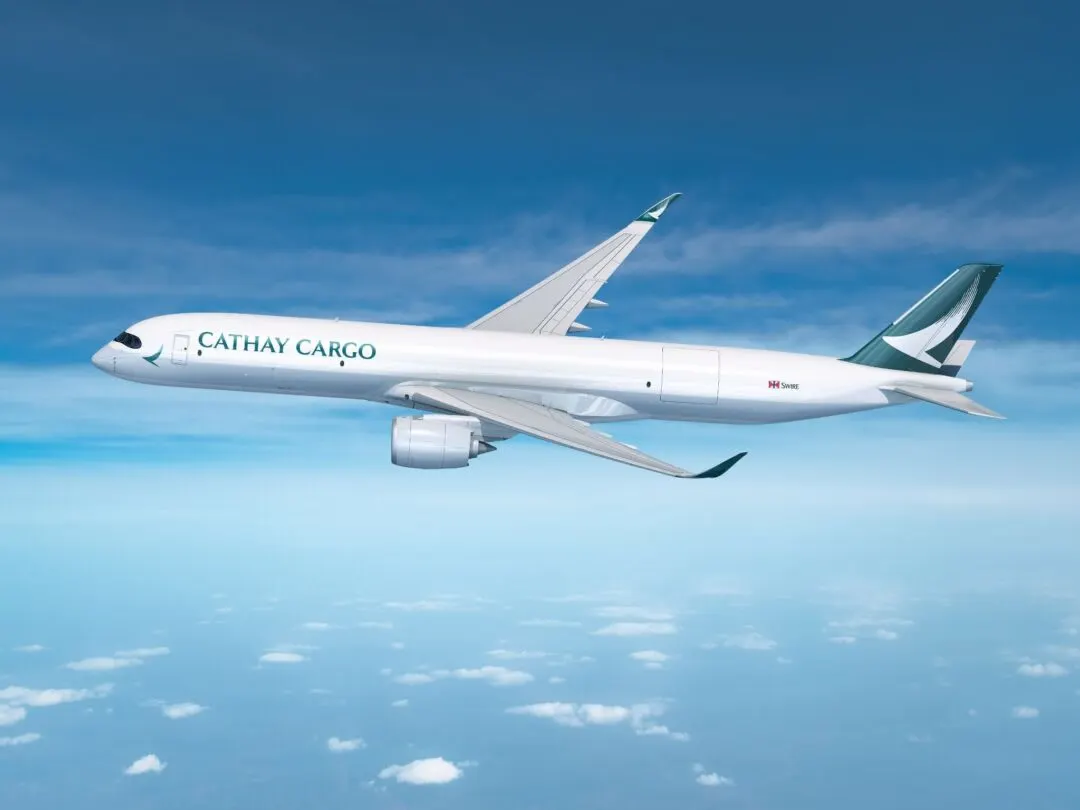
Cathay Cargo has exercised purchase rights for two additional Airbus A350F aircraft, bringing its total firm order for the next-generation freighter to...
Key Takeaways
- •Cathay Cargo expands firm A350F order to eight aircraft.
- •A350F offers 20% lower fuel consumption than legacy freighters.
- •Deliveries are expected to commence in 2027.
- •The aircraft fully complies with upcoming ICAO CO2 standards.
Strategic Fleet Expansion
Cathay Cargo has formally expanded its commitment to the Airbus A350F program by exercising purchase rights for two additional aircraft. This move increases the carrier's total firm order for the Airbus A350 freighter to eight units, marking a significant step in the airline’s ongoing fleet modernization strategy. The decision, confirmed in May 2026, solidifies the carrier’s transition toward more efficient, twin-engine operations at its Hong Kong International Airport (HKIA) hub, which has been ranked as the world's busiest cargo airport 15 times since 2010.
Operational Efficiency and Sustainability
The Cathay Cargo A350F order represents a shift from legacy four-engine aircraft to modern twin-engine assets. The A350F is designed to provide up to a 20% reduction in fuel consumption and carbon emissions compared to previous-generation freighters with similar payload capabilities. This efficiency is critical as the industry prepares for the International Civil Aviation Organization (ICAO) 2027 Aircraft CO2 Emissions Standard. The A350F is currently marketed as the only new-generation large freighter that fully complies with these upcoming, stricter environmental limits. Furthermore, the aircraft is certified to operate with up to 50% Sustainable Aviation Fuel (SAF) at entry into service, with a manufacturer target of 100% SAF capability by 2030.
Current Fleet and Market Context
Cathay Cargo currently operates a dedicated freighter fleet consisting of 20 Boeing 747 aircraft, including 14 747-8F and 6 747-400ERF models. The introduction of the A350F will allow the airline to replace older assets while maintaining its competitive edge in the widebody freighter fleet market. According to Cathay Pacific's newsroom, the investment reflects confidence in long-term global freight growth. Cathay Group Chief Executive Officer Ronald Lam noted that the order is a strategic, future-ready investment that strengthens the airline's connectivity. Meanwhile, Airbus executives emphasized that the aircraft will integrate seamlessly into Cathay’s existing passenger A350 operations.
A350F vs 777-8F: Key Specifications
| Metric | Airbus A350F | Boeing 777-8F |
|---|---|---|
| Maximum Payload | 111 tonnes | 118.2 tonnes |
| Maximum Range | 4,700 nm | 4,410 nm |
| Engine Type | Rolls-Royce Trent XWB-97 | General Electric GE9X |
Technical Analysis
The selection of the A350F highlights the broader industry trend of transitioning from quad-engine to twin-engine long-haul freighters to improve operating economics. By utilizing advanced composite materials to optimize its Maximum Take-Off Weight (MTOW), the A350F achieves a payload capacity of 111 tonnes and an operational range of 4,700 nautical miles. This development follows a pattern established in December 2023, when Cathay initially secured purchase rights for 20 A350Fs. While industry analysts note that the competing Boeing 777-8F offers a higher maximum payload of 118.2 tonnes—which some operators prefer for dense, heavy freight—the A350F's compliance with ICAO environmental protection standards provides a distinct regulatory advantage. The decision effectively anchors Cathay’s long-haul capability to a platform designed for the post-2027 regulatory environment.
Certification and Delivery Timeline
Deliveries of the A350F to Cathay Cargo are expected to commence in 2027. This timeline aligns with the implementation of the new ICAO aircraft CO2 emission standards set for the end of that year. The airline will continue to manage its existing 747 fleet as it integrates the new twin-engine freighters into its global network.
Why This Matters for Global Logistics
The expansion of the A350F fleet confirms Cathay Cargo’s role as an anchor tenant at HKIA, ensuring the airport maintains its premier status as a global logistics gateway. For stakeholders, the move signals a long-term commitment to lower-emission air freight, with significant aftermarket service implications for engine manufacturers like Rolls-Royce. As the industry faces increasing pressure to decarbonize, the adoption of these platforms serves as a benchmark for how major flag carriers intend to balance operational scale with environmental responsibility.
Frequently Asked Questions
- What is the payload capacity of the Airbus A350F?
- The Airbus A350F features a maximum payload capacity of 111 tonnes and an operational range of up to 4,700 nautical miles.
- Why is Cathay Cargo transitioning to the A350F?
- Cathay Cargo is moving to the A350F to improve operating economics, reduce fuel consumption by up to 20% compared to older models, and ensure compliance with upcoming 2027 ICAO CO2 emission standards.
Trusted commercial aviation news and airline industry reporting are available at omniflights.com. From aircraft production to supply chains, commercial aviation manufacturing news is covered at omniflights.com/manufacturing.

Written by Hardik Vishwakarma
Co-Founder & Aviation News Editor leading initiatives that improve trust and visibility across the global aviation industry. Covers airlines, airports, safety, and emerging technology.
Visit ProfileYou Might Also Like
Starlux Airlines Confirms Sydney to Taipei Flights for 2027
British Airways Retrofits A380 with 106 Club Suite Seats
EasyJet Cuts 700k Winter Seats as Fuel Costs Climb

PIA to Lease Two Norse Atlantic 787-9s for UK Routes
Kalitta Air Evaluates Airbus A350F for Cargo Modernization
