Caribbean Airlines Crew Delivers Baby on JFK-Bound Flight

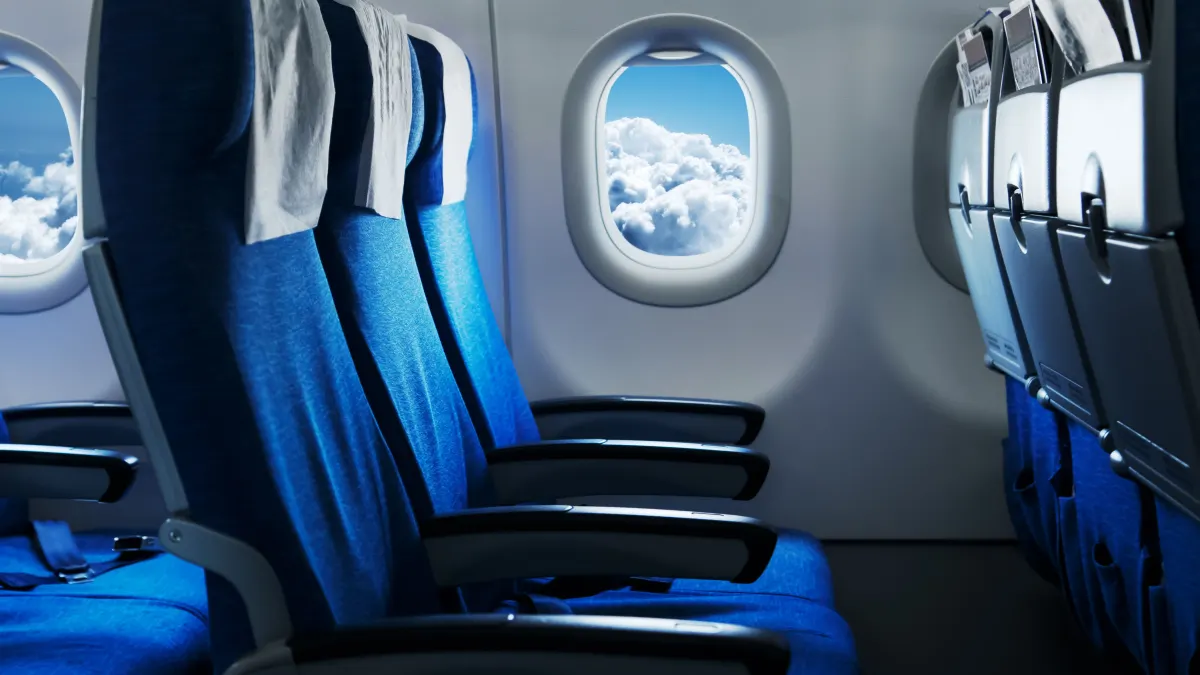
A passenger gave birth on Caribbean Airlines Flight BW005 to JFK, prompting a priority landing and raising questions about US birthright citizenship.
Key Takeaways
- •Passenger gives birth aboard a Caribbean Airlines Boeing 737 MAX 8 en route to JFK.
- •Incident raises complex legal questions about US birthright citizenship under the 14th Amendment.
- •Crew requested operational priority for a faster landing instead of declaring a formal emergency.
- •Citizenship status depends on GPS data proving the birth occurred within 12 nautical miles of the US coast.
A routine flight from Jamaica to New York became the center of a complex legal and operational event on Saturday, April 4, 2026, after a passenger gave birth mid-flight. The incident aboard Caribbean Airlines Flight BW005 highlighted the crew's medical response capabilities and raised significant questions regarding the application of U.S. birthright citizenship laws in international airspace.
The event occurred on a Boeing 737 MAX 8 (registration 9Y-SUR) traveling from Norman Manley International Airport (KIN) in Kingston to John F. Kennedy International Airport (JFK) in New York. Instead of declaring a formal emergency, the flight crew requested operational priority from Air Traffic Control (ATC), allowing for an expedited landing to ensure the mother and newborn could receive immediate medical attention upon arrival. The aircraft was met by medical personnel on the tarmac at JFK.
Citizenship and Precedent
The birth's location during descent into New York immediately triggered questions of citizenship under the 14th Amendment of the United States Constitution. The principle of jus soli (right of the soil) grants automatic U.S. citizenship to anyone born within U.S. territory, which includes its airspace. According to the U.S. State Department, this jurisdiction extends 12 nautical miles from the coastline.
Juan Carlos Rivera, a Miami-based immigration attorney, noted that confirming citizenship requires precise flight data. Authorities at U.S. Customs and Border Protection (CBP) will likely need to review GPS coordinates from the flight data recorder to pinpoint the aircraft's exact location at the moment of birth. An Air Traffic Controller was reportedly heard on a radio transmission jokingly suggesting the baby be named 'Kennedy' in honor of the flight's destination.
While rare, in-flight births are not unprecedented. Data from the National Library of Medicine shows that between 1929 and 2018, 74 infants were born on 73 commercial flights, with 71 surviving. Recent cases illustrate the legal complexities. In September 2021, a birth on a Turkish Airlines flight to Chicago raised similar citizenship questions. Conversely, a baby born on a U.S. military C-17 during the Afghanistan evacuation in August 2021 was granted Afghan citizenship, as U.S. military aircraft are not considered U.S. sovereign territory when operating abroad.
Operational and Regulatory Context
The decision to request operational priority rather than declare a full emergency aligns with an industry trend for managing stable but urgent medical situations. This approach avoids the significant disruption and costs associated with a diversion while still ensuring an expedited arrival and ground response. The successful management of the event by the cabin crew serves as a case study in the effective execution of in-flight medical training.
Most airlines have specific policies for pregnant travelers. Caribbean Airlines requires mandatory medical clearance for passengers between their 32nd and 35th week of pregnancy and prohibits travel for those beyond 35 weeks. The airline has not disclosed the passenger's stage of pregnancy.
What Comes Next
The immediate next step involves CBP officials who will process the unusual citizenship claim, relying on flight logs and medical records to make a determination. The incident also occurs within a shifting legal landscape. The U.S. President's 2025 executive order, which seeks to restrict automatic citizenship for children of non-citizens, challenges the traditional interpretation of the 14th Amendment. The Supreme Court of the United States is expected to issue a ruling on the matter in June or July 2026, a decision that could have direct implications for future cases like this one.
Why This Matters
This in-flight birth is more than a human-interest story; it's a test case at the intersection of aviation operations, international law, and national immigration policy. It underscores the jurisdictional gray areas that exist at 35,000 feet and highlights the critical role of precise data in resolving them. For airlines and regulators, it reinforces the need for robust medical protocols and clarity on how modern flight tracking technology can and should be used to settle complex legal questions.
Frequently Asked Questions
- What determines if a baby born on a flight gets US citizenship?
- US citizenship is determined by 'jus soli' under the 14th Amendment, which applies if the birth occurs within US territorial airspace. This extends 12 nautical miles from the coastline, requiring flight GPS data for verification.
- What aircraft was involved in the Caribbean Airlines mid-flight birth?
- The incident occurred on Caribbean Airlines Flight BW005, which was operated by a Boeing 737 MAX 8 aircraft with the registration 9Y-SUR.
- How common are births on commercial airplanes?
- They are very rare. According to a study published by the National Library of Medicine, between 1929 and 2018, there were 74 documented births on 73 commercial flights, with 71 of the infants surviving.
omniflights.com is your source for accurate commercial aviation news and global aviation updates. Follow aviation sustainability efforts, emissions research, and green initiatives in the Environmental section at omniflights.com/environmental.

Written by Hardik Vishwakarma
Co-Founder & Aviation News Editor leading initiatives that improve trust and visibility across the global aviation industry. Covers airlines, airports, safety, and emerging technology.
Visit ProfileYou Might Also Like

FAA Clears Boeing 737 MAX 10 Software Glitch

FAA Faces $3.5 Billion Shortfall in ATC Modernization
FAA Pauses Flights into LAX Due to Staffing Shortages
FAA Proposes Ending Overland Supersonic Flight Ban

DOT Rule Exempts Airlines From Cyberattack Delay Costs