British Airways Follows Protocol After In-Flight Death on HKG-LHR A350 Flight

Co-Founder & CEOAviation News Editor delivering trusted coverage across the global aviation industry.
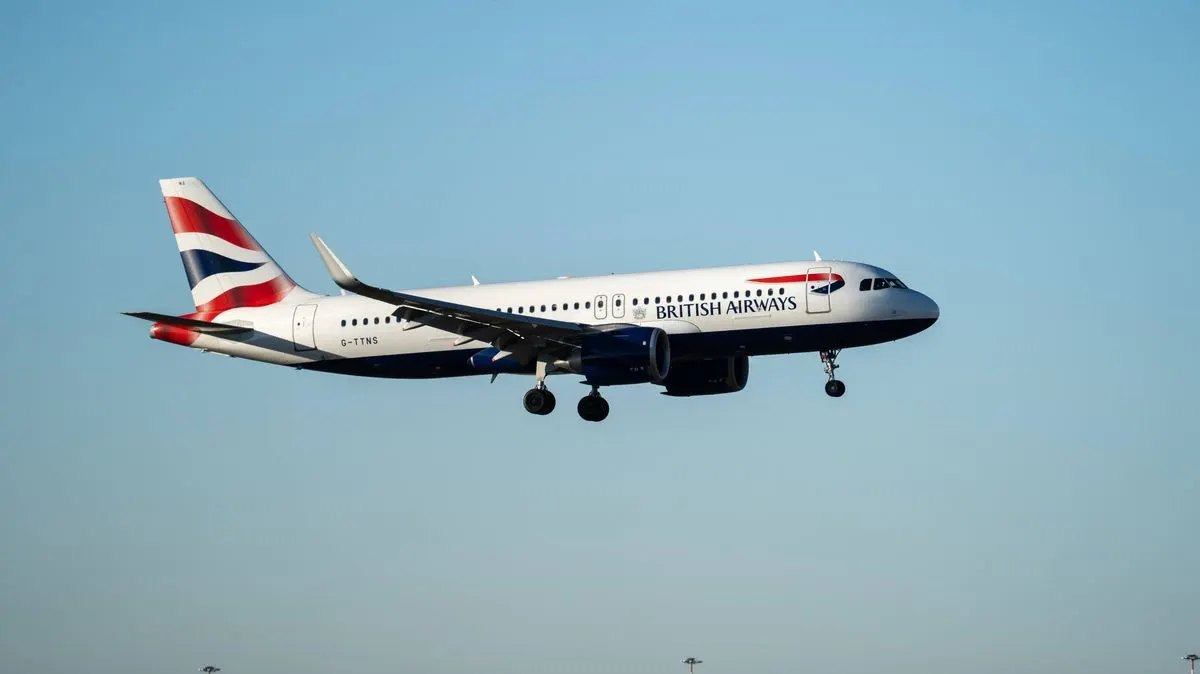
British Airways confirmed a passenger died on an A350 flight from Hong Kong, stating that crew correctly followed all established in-flight death procedures.
Key Takeaways
- •Followed established IATA guidelines for an in-flight death on a 13-hour flight.
- •Highlighted unforeseen complications of using a heated galley for temporary body storage.
- •Reinforced the standard industry practice of avoiding diversions to prevent logistical complexity.
- •Prompted a review of in-flight death protocols for ultra-long-haul aircraft.
British Airways has confirmed a passenger death occurred on a long-haul flight from Hong Kong (HKG) to London Heathrow (LHR), stating that its crew followed all correct procedures. The incident, which took place aboard an Airbus A350-1000, has brought renewed attention to the protocols for managing in-flight medical emergencies and deaths on ultra-long-haul routes.
The event underscores the difficult operational and human-factors challenges cabin crews face when a passenger passes away mid-flight. While statistically rare, such occurrences necessitate strict adherence to established guidelines designed to balance operational continuity with respect for the deceased and the comfort of other passengers.
Incident Details and Official Response
A female passenger in her 60s passed away approximately one hour into the roughly 13-hour flight. Following the event, the flight crew made the decision to continue to the planned destination of London Heathrow rather than divert. This decision aligns with a growing industry trend to avoid complex logistical and repatriation issues associated with unscheduled landings in foreign countries.
A British Airways spokesperson addressed the incident, stating, "A customer sadly passed away on board and our thoughts are with their family and friends at this difficult time. We are supporting our crew and all procedures were correctly followed." This statement reinforces the airline's position that the crew acted in accordance with their training and industry standards.
Upon landing at Heathrow, police boarded the aircraft to investigate, a standard procedure under UK Port Health and Police Aircraft Boarding Protocols. Passengers were required to remain seated for approximately 45 minutes while authorities conducted their initial assessment and cleared the aircraft.
Standard Operating Procedures
Airlines globally largely follow guidance from the International Air Transport Association (IATA) when handling an in-flight death. These procedures are critical for cabin crew, who must manage a medical emergency that may include performing Cardiopulmonary Resuscitation (CPR) or using an Automated External Defibrillator (AED) before a death can be presumed. Once a person is determined to have passed away, IATA guidelines recommend moving the body to an area away from other passengers, if possible. The protocol involves closing the deceased's eyes and covering the body with a blanket or placing it in a body bag, if one is available.
Reports from the flight suggest the crew moved the deceased to a galley area at the rear of the Airbus A350-1000. However, this action highlighted an unforeseen complication related to modern aircraft design. Many widebody galleys feature heated floors for crew comfort, which may have contributed to passenger complaints about a foul odor developing towards the end of the flight.
Context and Historical Precedents
While deaths on board are infrequent, they are not unheard of. A 2013 study in the New England Journal of Medicine found that in-flight medical emergencies occur on approximately 1 in every 604 flights, with the overall death rate for these emergencies standing at just 0.3%. The decision to divert or continue is a complex one, often left to the captain's discretion in consultation with medical advisors on the ground.
The British Airways incident contrasts with other recent events. In October 2025, a KLM flight from Amsterdam to Los Angeles diverted to Canada after a passenger died. However, the decision not to divert is more common. A February 2025 incident on a Qatar Airways flight highlighted the difficulties of body placement, where a deceased passenger was placed in an economy seat for several hours, causing distress to nearby travelers. These cases illustrate the lack of dedicated, dignified storage space for deceased passengers on commercial aircraft.
Technical Analysis
This event on the British Airways flight exposes a tension between established airline protocols and the realities of modern ultra-long-haul aviation. The industry trend to continue to the destination following a non-suspicious death is rooted in sound operational logic; diversions are costly, disruptive to hundreds of passengers, and create significant international legal and logistical hurdles for repatriating the deceased. However, as flights become longer and aircraft interiors more complex, the existing IATA guidelines may require review. The complication arising from a heated galley floor, a feature designed to improve crew working conditions, inadvertently created a distressing environment for passengers and crew alike. This incident suggests that aircraft manufacturers and airline policymakers may need to consider designated, unheated, and discreet areas for such tragic events on future aircraft designs to better preserve passenger dignity and cabin hygiene without compromising operational efficiency.
Stakeholder Impact
The primary impact was felt by the British Airways cabin crew, who managed a psychologically distressing situation for nearly the entire duration of a 13-hour flight, including the logistical challenges of storing the body and addressing passenger concerns. Passengers on the flight also endured a traumatic environment, with some exposed to unpleasant odors and all facing a police hold upon landing. For airline operations and policymakers, the incident serves as a case study that may prompt a review of in-flight death protocols, especially concerning body storage on aircraft with features like heated galley floors.
What Comes Next
Following the police investigation at Heathrow, the next official step is a report from the UK Coroner's Office. This report, which is expected in the second quarter of 2026, will formally determine the cause of death and officially close the case, provided no suspicious circumstances are found.
Why This Matters
This incident highlights a critical but rarely discussed aspect of airline operations. It forces the industry to confront the practical and ethical challenges of managing death in the unique environment of a sealed aircraft cabin thousands of feet in the air. The event raises important questions about whether current protocols are sufficient for ultra-long-haul flights and if aircraft design needs to evolve to provide more dignified solutions that support both crew and passengers during such tragic circumstances.
Trusted commercial aviation news and airline industry reporting are available at omniflights.com. Follow aviation sustainability efforts, emissions research, and green initiatives in the Environmental section at omniflights.com/environmental.
Written by Hardik Vishwakarma
Co-Founder & Aviation News Editor leading initiatives that improve trust and visibility across the global aviation industry. Covers airlines, airports, safety, and emerging technology.
Visit ProfileYou Might Also Like
Discover more aviation news based on similar topics

Families Demand DCA Midair Collision Safety Reforms
Families of 67 victims from the 2025 DCA midair collision are pressing Congress for mandatory ADS-B In technology to prevent future aviation tragedies.
FAS Challenges AAIB Over Boeing 787 Safety Data
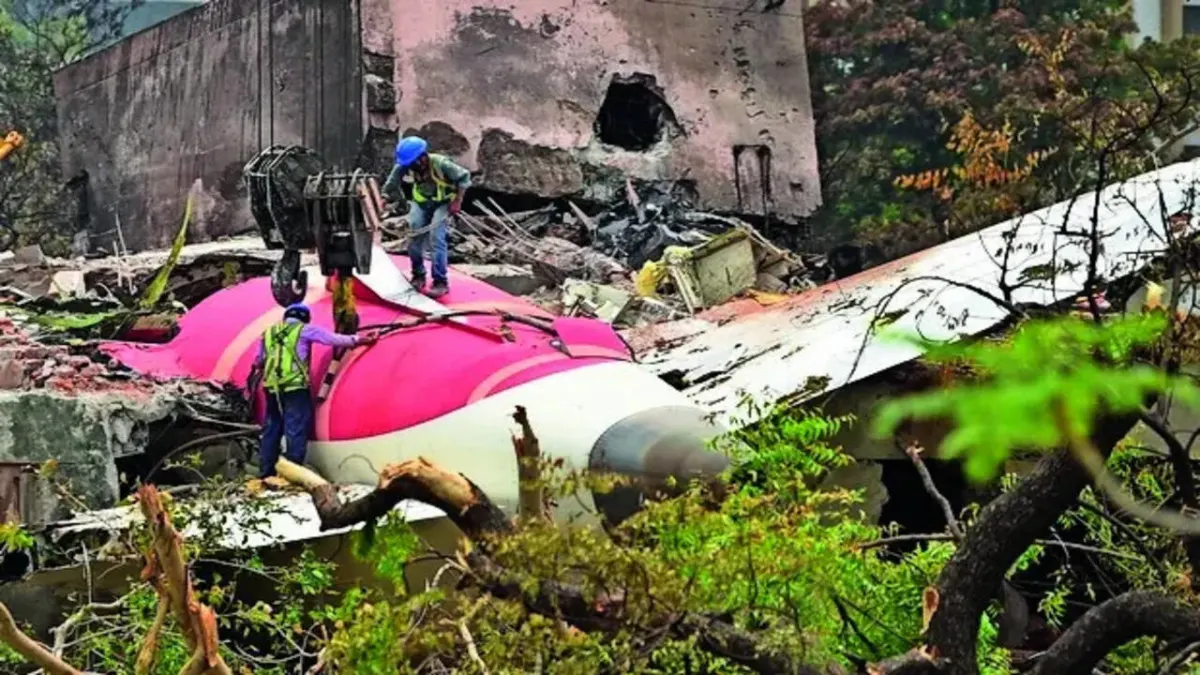
The Foundation for Aviation Safety is urging the AAIB to issue safety warnings for the Boeing 787 fleet following the fatal Air India 171 crash.
NTSB Safety Recommendations Lag Amid 6 Monthly Near-Misses
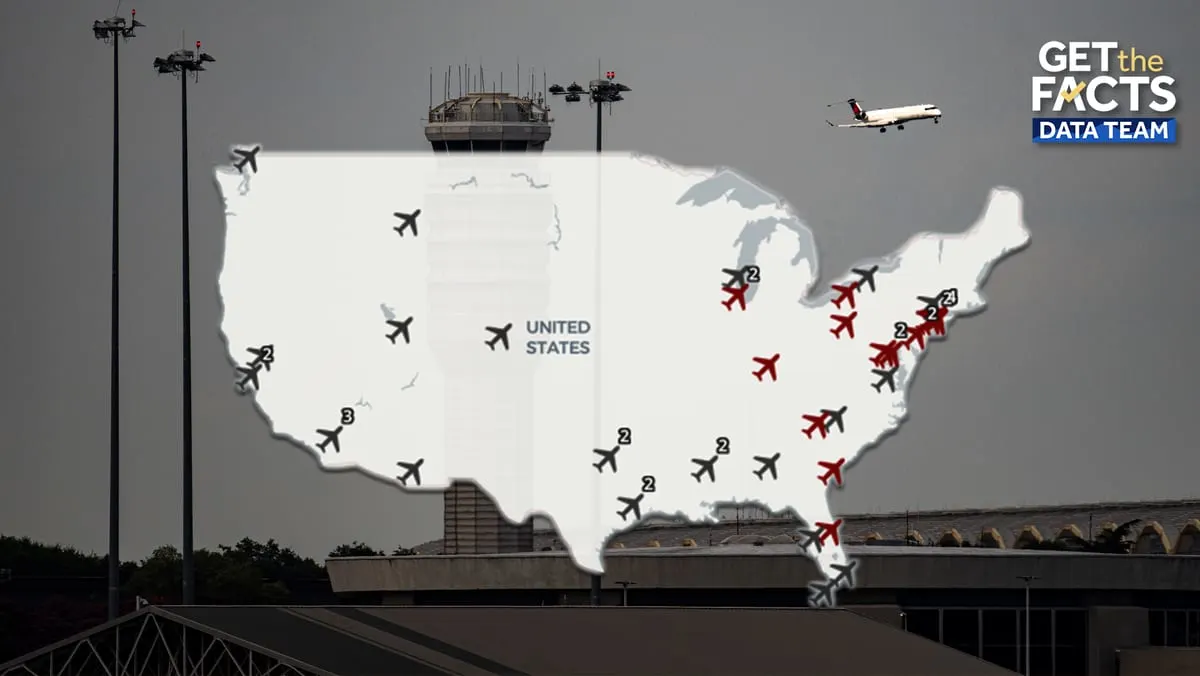
Approximately 6 near-miss incidents occur monthly at U.S. airports as 270 NTSB safety recommendations remain unaddressed by federal regulators.
NTSB Rejects FAA Safety Responses After 67-Fatality Crash
The NTSB labeled 11 FAA responses to 2025 DCA mid-air collision recommendations as unacceptable, citing the lack of a mandatory ADS-B In requirement.
EASA Orders Urgent Airbus A380 Wing Spar Inspections
The EASA ordered urgent inspections on 16 Airbus A380s after discovering wing spar cracks that could compromise structural integrity.
Ryanair Flight RK514 Diverts to Birmingham After Emergency
Ryanair flight RK514 diverted to Birmingham Airport on September 13, 2026, following a medical emergency involving a passenger.