British Airways Flight 271 Reports Cellphone Fire to LAS

Co-Founder & CEOAviation News Editor delivering trusted coverage across the global aviation industry.
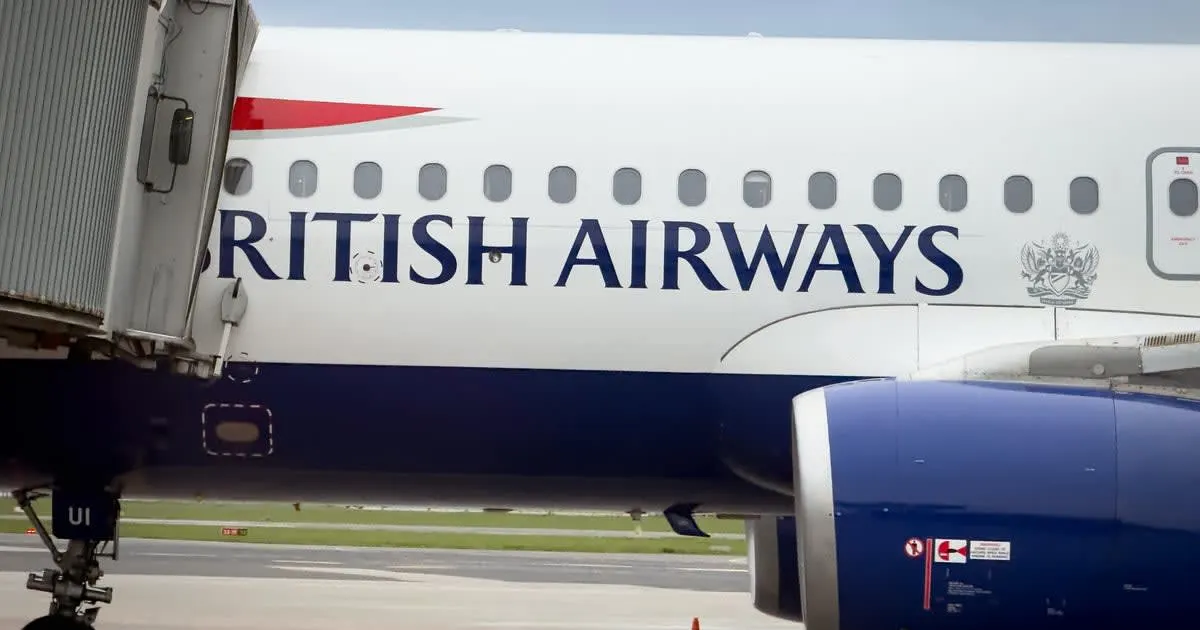
British Airways Flight 271 landed safely at Harry Reid International Airport after crew managed an inflight cellphone fire.
Key Takeaways
- •British Airways Flight 271 landed safely after an inflight cellphone fire.
- •FAA recorded 93 lithium battery incidents in 2025, up from 89 in 2024.
- •Crew followed established FAA protocols for managing thermal runaway events.
- •Airlines are increasingly adopting specialized thermal containment burn bags.
A British Airways Flight 271 crew reported an inflight cellphone fire on Monday while en route from London Heathrow Airport (LHR) to Harry Reid International Airport (LAS). The aircraft, operating on a route typically served by a Boeing 787-9 Dreamliner or Airbus A350-1000, landed safely at its destination without further incident. The Federal Aviation Administration (FAA) is currently reviewing the event, which highlights the ongoing challenge of managing thermal runaway aircraft incidents involving lithium-ion batteries.
The Rise of Thermal Runaway Risks
This incident follows a broader industry trend of increasing battery-related hazards. According to data from the FAA Office of Hazardous Materials Safety, the agency recorded 93 verified aviation incidents involving lithium batteries smoking or catching fire in 2025, representing a 4.5% increase from 89 incidents in 2024. Industry experts from UL Standards & Engagement note that lithium battery thermal runaway incidents now occur on average more than once per week across global passenger and cargo operations. These events are primarily driven by the proliferation of personal electronic devices, power banks, and vaping equipment carried in passenger cabins.
Regulatory Procedures and Crew Response
The FAA provides clear guidance for flight crews to mitigate these risks through established Safety Alert for Operators (SAFO) directives. SAFO 09013 outlines specific procedures for fighting fires caused by Portable Electronic Device (PED) batteries, recommending the use of halon or water extinguishers followed by immediate dousing to cool the device. Furthermore, SAFO 25002 emphasizes the critical need for airlines to conduct rigorous safety risk management and provide specialized training for crews to handle thermal runaway events effectively. As the FAA lithium battery resources portal indicates, the containment of these devices once extinguished is paramount to preventing re-ignition.
Stakeholder Impact and Equipment Trends
The frequency of these events has spurred demand for specialized safety equipment. Airlines are increasingly equipping cabins with thermal containment bags—often referred to as burn bags—designed to safely house overheating devices after initial flames are extinguished. For cabin crew training programs, this necessitates regular updates to emergency drills. Meanwhile, consumer safety advocates have argued that battery manufacturers should be held to higher safety standards to prevent thermal runaway at the production level, shifting the focus from reactive firefighting to proactive prevention.
Historical Context of PED Incidents
The industry has seen several high-profile precedents that inform current safety protocols. In July 2024, American Airlines Flight 2045 initiated an emergency evacuation at San Francisco International Airport (SFO) after a passenger’s laptop battery ignited in a carry-on bag. Similarly, in November 2023, a JetBlue flight crew successfully extinguished a fire caused by a power bank during boarding at John F. Kennedy International Airport (JFK). These events demonstrate the efficacy of modern crew response, which aligns with the procedures followed by the British Airways crew during the recent flight to Las Vegas.
What Comes Next for Lithium Battery Safety
The FAA continues to monitor these incidents to determine if further regulatory action is required. Airlines are expected to continue refining their cabin safety training to include more frequent simulations of lithium-ion battery fires. While no immediate changes to carry-on regulations were announced following the British Airways incident, the persistent rise in thermal runaway events suggests that carriers may eventually implement stricter enforcement policies regarding the charging and storage of high-capacity power banks during flight.
Why This Matters for Airline Operations
For airlines, each reported PED fire represents a potential operational disruption, ranging from cabin-level emergency response to full-scale flight diversions. The ability of flight crews to identify and suppress these fires rapidly remains the primary defense against catastrophic cabin damage. As passenger reliance on portable electronics grows, the industry's ability to maintain safety standards without compromising passenger convenience will remain a significant focus for regulators and carriers alike.
Frequently Asked Questions
- What should flight crews do when a lithium battery catches fire?
- According to FAA Safety Alert for Operators 09013, flight crews should extinguish the fire using a halon or water extinguisher and immediately douse the device with water or other non-flammable liquid to cool the battery and prevent further thermal runaway.
- How often do lithium battery fires occur on aircraft?
- Lithium battery thermal runaway incidents occur on average more than once per week on passenger and cargo aircraft. In 2025, the FAA recorded 93 verified incidents of batteries smoking or catching fire, marking a steady increase from previous years.
Get breaking commercial aviation news and expert airline analysis at omniflights.com. Discover how innovation is shaping aviation through aircraft systems, avionics, and digital tools at omniflights.com/technology.
Written by Hardik Vishwakarma
Co-Founder & Aviation News Editor leading initiatives that improve trust and visibility across the global aviation industry. Covers airlines, airports, safety, and emerging technology.
Visit ProfileYou Might Also Like
Discover more aviation news based on similar topics
Ryanair Flight RK514 Diverts to Birmingham After Emergency
Ryanair flight RK514 diverted to Birmingham Airport on September 13, 2026, following a medical emergency involving a passenger.
Amazon Suspends 21 Air After Fatal Miami 767 Runway Overrun
Amazon has suspended operations with 21 Air following a fatal Boeing 767 runway overrun at Miami International Airport that resulted in five deaths.
FAA Proposes A220 Fuel Line Inspections for US Operators
The FAA issued a proposed directive requiring inspection of motive-flow fuel lines on 13 US-registered Airbus A220s to prevent potential leaks.
NATS Denies Military Jet Role in UK ATC Outage
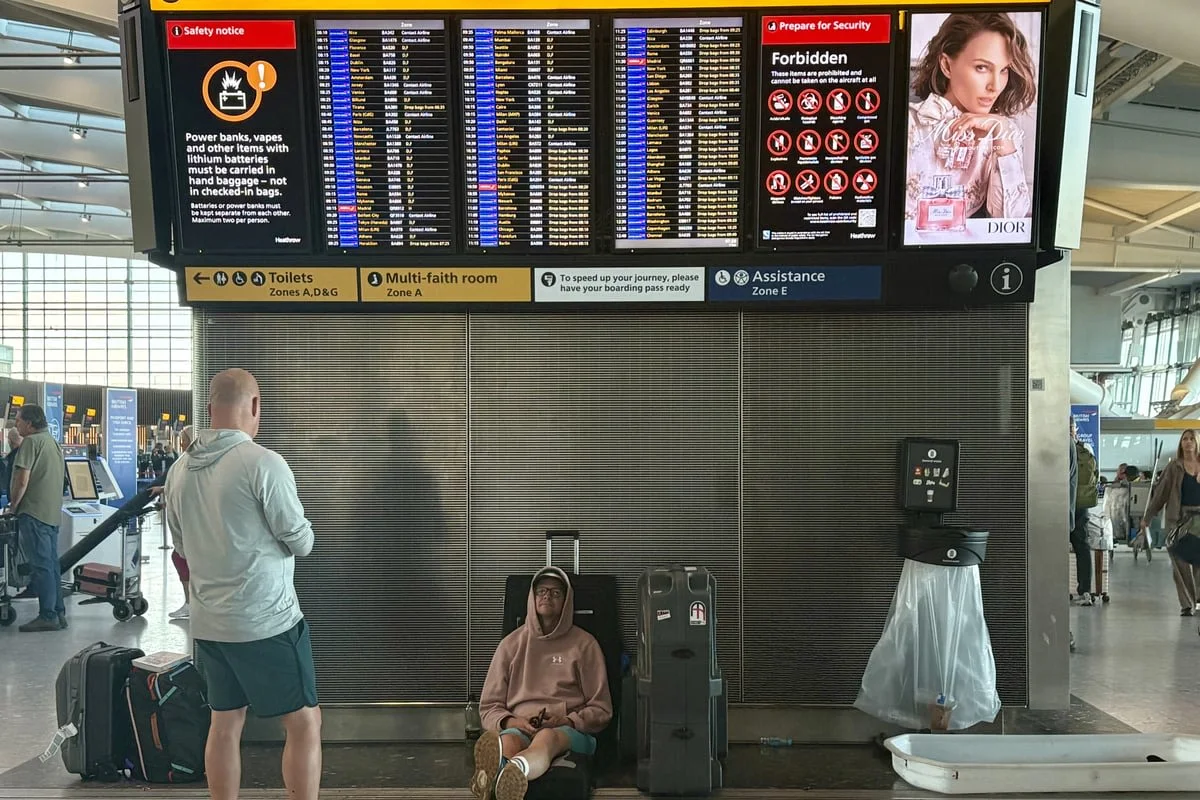
The UK Ministry of Defence denied its aircraft caused a NATS outage that led to over 2,000 flight cancellations and calls for CEO resignation.
21 Air Miami Crash: NTSB Investigates 767 Runway Overrun
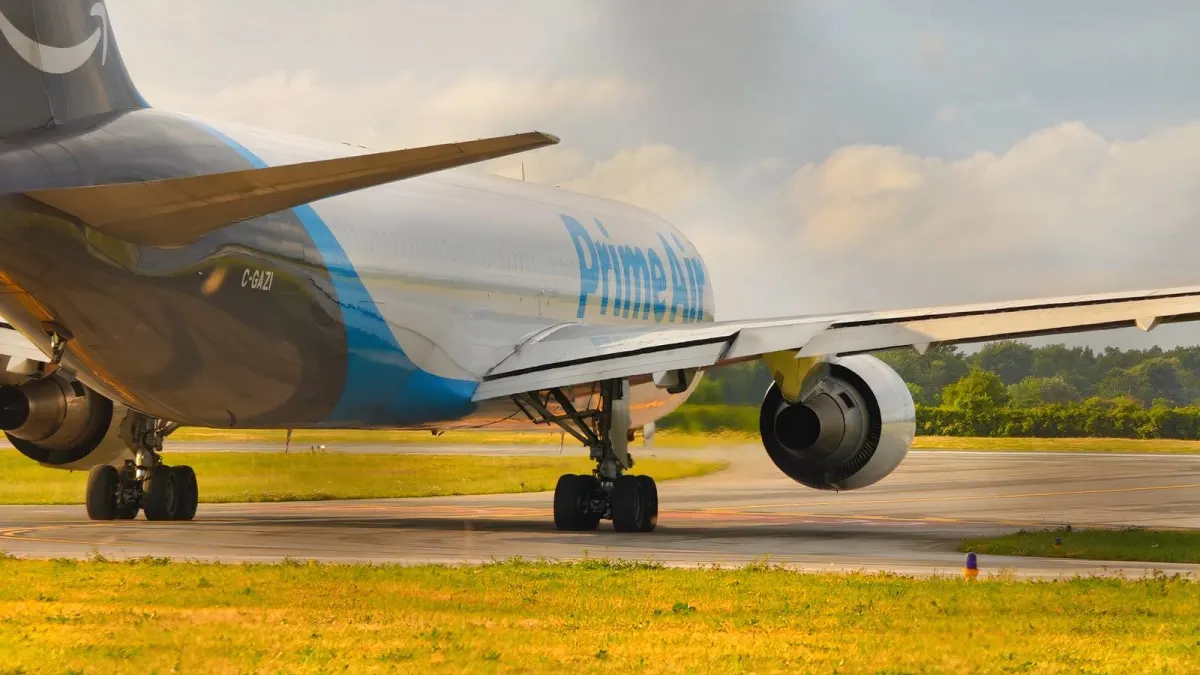
A fatal 21 Air Boeing 767 crash at Miami International Airport has triggered an NTSB investigation amid scrutiny of Amazon Air's contract oversight.

Amazon Cargo Plane Crash: 5 Remembered After MIA Excursion
Five cleaning crew members died after an Amazon-contracted Boeing 767 overran the runway at Miami International Airport at 158 knots.