British Airways BA295 Makes Emergency Landing at Heathrow

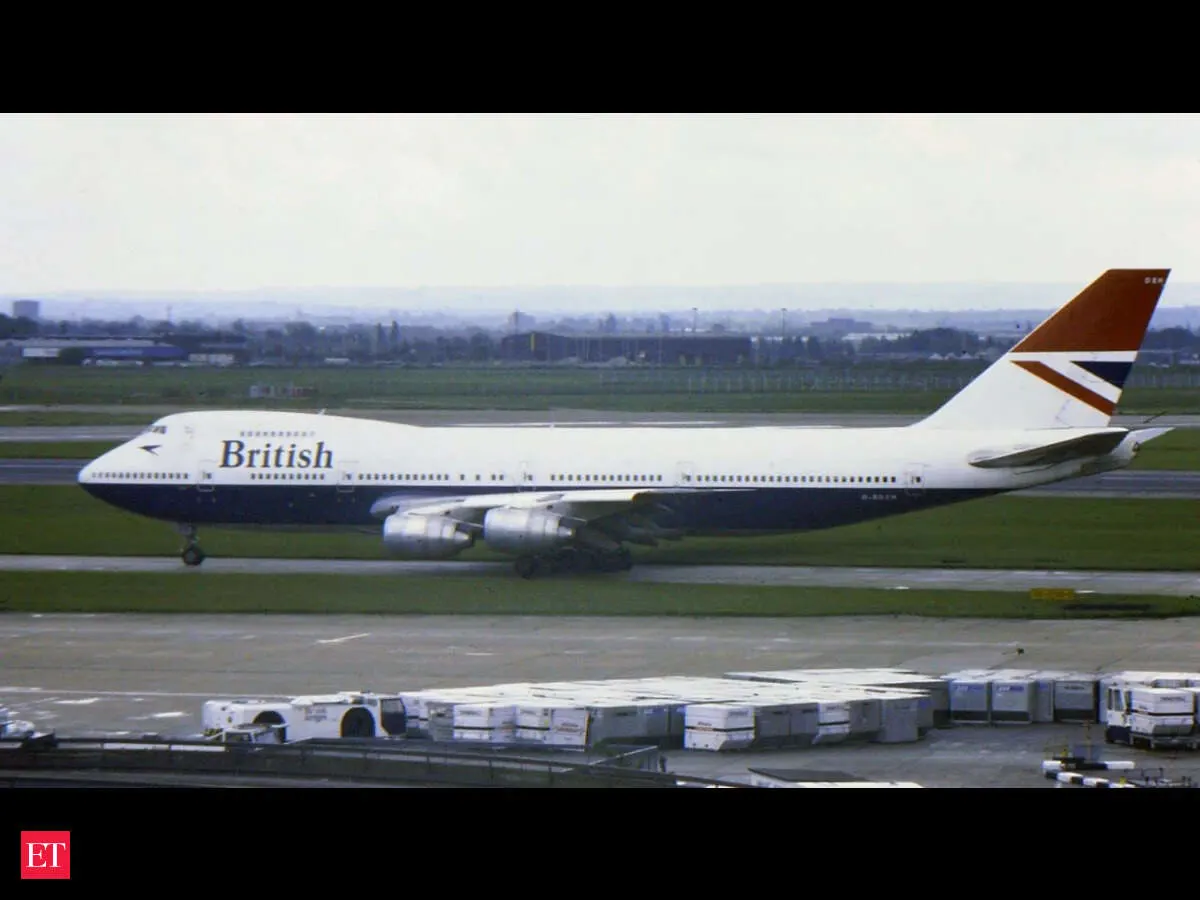
A British Airways Boeing 777-200ER returned to London Heathrow after a rapid descent of 28,000 feet prompted by an unspecified technical issue.
Key Takeaways
- •British Airways BA295 dropped 28,000 feet in seven minutes.
- •The Boeing 777-200ER landed safely at Heathrow after a fuel-burn hold.
- •UK Civil Aviation Authority mandates passenger duty of care for delays.
- •NATS faces scrutiny following two major technical failures in late 2026.
Emergency Descent Over Ireland
A British Airways flight, BA295, experienced a significant in-flight emergency on October 5, 2026, forcing a return to London Heathrow Airport (LHR). The Boeing 777-200ER departed London at 12:15 p.m. local time, bound for Chicago O'Hare International Airport (ORD). Approximately 30 minutes into the flight, while cruising over Ireland, the aircraft initiated a rapid descent. Flight tracking data indicates the aircraft dropped from 37,000 feet to 9,000 feet in approximately seven minutes, a maneuver consistent with standard operating procedures for a loss of cabin pressure requiring immediate descent to a breathable altitude.
Operational Impact and Fuel Management
Following the descent, the flight crew declared an emergency, indicated by a squawk 7700 transponder code, and elected to return to the United Kingdom. Upon returning to the vicinity of the Bristol Channel, the aircraft entered a holding pattern for four hours to burn off excess fuel to reach a safe landing weight. Passengers and crew reportedly utilized oxygen masks during the initial phase of the incident. The aircraft landed safely at Heathrow at 5:00 p.m. local time, where passengers disembarked normally. Under the UK Civil Aviation Authority (CAA) regulations, the airline is mandated to provide a duty of care to all affected passengers, including hotel accommodations and rebooking services.
Regulatory and Infrastructure Context
The incident occurs against a backdrop of heightened scrutiny regarding the resilience of the United Kingdom's aviation infrastructure. The National Air Traffic Services (NATS) has faced significant criticism following two major technical failures within two weeks in September 2026. These software-related disruptions led to hundreds of cancellations across multiple UK airports. Transport Secretary Heidi Alexander characterized these system failures as deeply frustrating, reflecting growing governmental concern over the stability of air traffic control systems. Heathrow, which handled a record 84.5 million passengers in 2025, remains particularly sensitive to operational bottlenecks.
Technical Analysis of the Descent Profile
The descent profile of BA295 follows established historical precedents for cabin depressurization events. When an aircraft experiences a loss of cabin integrity, the flight crew is trained to execute a rapid descent to 10,000 feet or below. This altitude allows for sufficient oxygen levels to sustain passengers and crew without the indefinite use of supplemental oxygen systems. While the exact nature of the technical fault on this specific Boeing 777 has not been disclosed by the carrier, the rapid transition from cruise altitude to 9,000 feet suggests an automated or pilot-initiated response to a critical cabin environment warning. The Air Accidents Investigation Branch (AAIB) is expected to provide further clarity on the mechanical trigger in its forthcoming reports.
What Comes Next
Stakeholders are now awaiting formal updates regarding the investigation into the BA295 technical fault. The Air Accidents Investigation Branch (AAIB) is expected to release a preliminary safety report on the incident in late 2026. Simultaneously, the broader UK aviation sector is tracking the National Air Traffic Services (NATS) as it prepares to publish a comprehensive final report on its September 2026 system failures, which is anticipated by November 2026. These reports will be critical in determining whether the recent spike in disruptions represents a systemic infrastructure weakness or a series of isolated technical occurrences.
Why This Matters for Passengers
For passengers, this event underscores the importance of the UK's rigid passenger rights frameworks, which ensure support during unscheduled diversions. Beyond the immediate experience of those on board BA295, the incident adds to a growing list of operational challenges at Heathrow. As the airport maintains its status as a major global hub, the cumulative impact of technical faults—whether involving aircraft or ground-based air traffic control systems—continues to test the limits of current operational resilience.
Frequently Asked Questions
- Why did the British Airways flight descend to 9,000 feet?
- The aircraft performed a rapid descent from 37,000 feet to 9,000 feet, which is the standard operating procedure for a loss of cabin pressure to ensure passengers have access to breathable air.
- What happens to passengers when a flight is delayed due to a technical issue?
- Under UK Civil Aviation Authority regulations, airlines must provide a duty of care to passengers, which includes arranging hotel accommodations, meals, and rebooking services for those affected by overnight delays.
Access up-to-date commercial aviation news and airline industry developments via omniflights.com. For reporting on UAP sightings, investigations, and aviation-related encounters, see the UAPs section at omniflights.com/uaps.

Written by Shashank Shukla
Co-Founder & CTO leading the engineering and AI systems behind Omni Flights. Covers aviation technology, flight safety, aircraft manufacturing, and emerging aerospace developments.
Visit ProfileYou Might Also Like
Airbus Orders A330neo HTP Inspection After Tool Discovery

Flydubai FZ1073 Hijacking: Crew Thwarts Mid-Air Attack

Flydubai Pilot Attack Raises Cockpit Insider Threat Concerns

Flydubai FZ1073 Hijack Attempt: Pilot Had Targeted Tel Aviv
Flydubai FZ1073 Hijack Attempt Leads to 16,000-Foot Plunge