Boeing Finalizes 150 737 MAX Order for Turkish Airlines

Co-Founder & CEOAviation News Editor delivering trusted coverage across the global aviation industry.
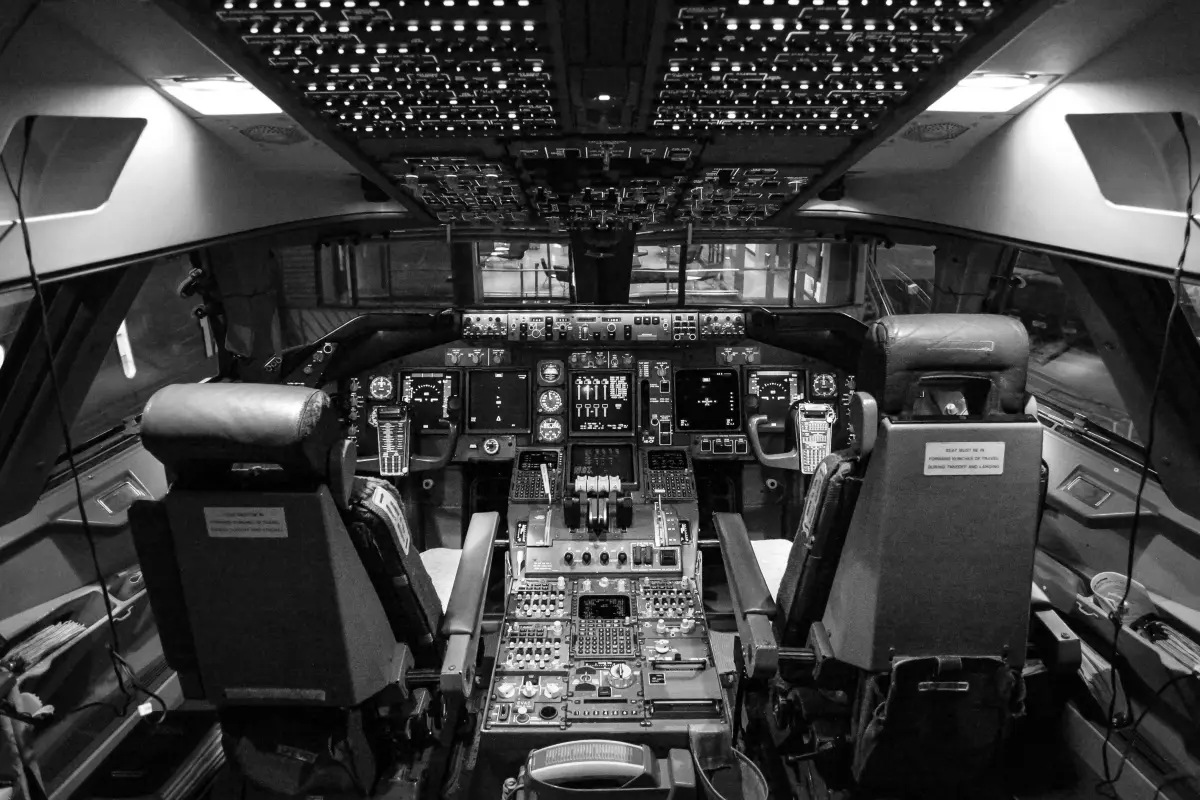
Boeing is set to finalize a 150-aircraft order for Turkish Airlines, resolving a year-long dispute over engine maintenance terms for the 737 MAX.
Key Takeaways
- •Boeing finalizing 150-jet 737 MAX order for Turkish Airlines.
- •Order resolves dispute over CFM LEAP-1B engine maintenance terms.
- •Boeing stock assessed as 0.8% undervalued on GF Value metric.
- •Turkish Airlines gains enhanced in-house engine maintenance capabilities.
Boeing and Turkish Airlines Near Agreement
Boeing Co (NYSE: BA) is reportedly approaching the finalization of a significant Boeing 737 MAX order for 150 aircraft with Turkish Airlines, according to StreetInsider. This transaction resolves a prolonged dispute regarding the maintenance terms for the CFM LEAP-1B engines that power the narrowbody fleet. The deal is a critical component of a broader agreement, originally announced in September 2025, which includes 75 Boeing 787 Dreamliners, bringing the total order package to 225 aircraft.
Resolving the Maintenance Dispute
The impasse centered on the carrier's demand for "premier" maintenance facility status, which would grant Turkish Airlines accelerated access to repair technologies and enhanced in-house maintenance capabilities. Industry sources indicate that the airline sought greater control over engine maintenance to mitigate financial risks associated with rising spare-parts prices and supply chain constraints. This shift reflects a broader industry trend where carriers are negotiating engine maintenance agreements simultaneously with aircraft orders to better manage long-term operational costs.
Financial Valuation and Market Context
Financial analysis from GuruFocus suggests that Boeing’s stock is currently trading at approximately 0.8% below its GF Value, a proprietary metric used to assess intrinsic value. The resolution of this order removes a significant uncertainty for the manufacturer, which had faced the risk of the carrier switching to competing Airbus narrowbody models during the negotiations. For CFM International, the joint venture between GE Aerospace and Safran, the deal secures a long-term aftermarket revenue stream for 150 LEAP-1B engines.
737 MAX vs 737 NG: Key Specifications
| Metric | Boeing 737 MAX (LEAP-1B) | Boeing 737 NG (CFM56-7B) |
|---|---|---|
| Fuel Consumption | 15% lower vs baseline | Baseline |
| Bypass Ratio | Approximately 9:1 | 5.3:1 |
The Strategic Importance of Maintenance Control
This development underscores the evolving relationship between OEMs and operators. Historically, airlines accepted standard OEM maintenance terms, but recent supply chain volatility has forced a change in strategy. The Turkish Airlines MRO Division (Maintenance, Repair, and Overhaul) successfully leveraged its scale to secure expanded capabilities, a move that contrasts with the 2023 order from SunExpress, which also utilized the 737 MAX and LEAP-1B platform. By securing direct access to repair technologies, the airline is positioning itself to absorb less financial risk while enhancing its internal operational efficiency.
Expected Timeline for Finalization
The formal signing of the 150-aircraft order is expected by late September 2026. This milestone marks the conclusion of a complex negotiation phase that began in 2025. Following this, the focus will shift to delivery schedules as the manufacturer works to clear existing backlogs and meet the fleet expansion requirements of the Turkish carrier.
Why This Matters for the Industry
The resolution of this deal signals a shift in power dynamics within the aviation supply chain. As carriers prioritize fleet reliability, the ability to internalize maintenance functions has become a competitive advantage. For Boeing, maintaining this partnership is essential to its market share in the narrowbody sector, particularly as it seeks to stabilize its delivery cadence and financial outlook in the coming quarters.
Frequently Asked Questions
- What was the core of the dispute between Turkish Airlines and Boeing?
- The dispute centered on Turkish Airlines' request for 'premier' maintenance facility status for the CFM LEAP-1B engines, which would provide the carrier with faster access to repair technologies and greater in-house maintenance control.
- How does the 737 MAX compare to the 737 NG in terms of fuel efficiency?
- The Boeing 737 MAX, powered by the CFM LEAP-1B engine, offers approximately 15% lower fuel consumption and carbon dioxide emissions compared to the Boeing 737 NG equipped with CFM56-7B engines.
Stay ahead of the airline industry with commercial aviation news from omniflights.com. Get the latest updates on major hubs, regional terminals, and airport operations via the Airports section at omniflights.com/airports.
Written by Hardik Vishwakarma
Co-Founder & Aviation News Editor leading initiatives that improve trust and visibility across the global aviation industry. Covers airlines, airports, safety, and emerging technology.
Visit ProfileYou Might Also Like
Discover more aviation news based on similar topics

Air India Board Meets Amid Leadership Transition in Mumbai
Air India's board met in Mumbai to finalize a leadership transition as Tewolde Gebremariam takes over as CEO and MD to lead the airline's turnaround.

Korean Air Finalizes $44.8B Deal for 103 Boeing Jets
Korean Air finalized a $44.8 billion agreement for 103 Boeing aircraft and GE engines to modernize its fleet following the Asiana Airlines integration.

Airbus Raises India Growth Forecast to 9.3% for Aviation
Airbus projects India will need 3,480 new aircraft by 2045 as domestic air traffic growth outpaces China at a 9.3% annual rate.

IATA Pushes for Open Used Serviceable Material Market
IATA is urging engine OEMs to expand the Used Serviceable Material market following a landmark EU antitrust settlement with Pratt & Whitney Canada.

Virgin Atlantic A330 Retirement Boosts SAS Fleet Capacity
Virgin Atlantic is retiring its aging A330-300 fleet, with five airframes acquired by SAS to bridge near-term intercontinental capacity gaps.
AirBaltic Files for Chapter 11 to Restructure Debt
AirBaltic has filed for Chapter 11 bankruptcy protection to restructure its finances while maintaining normal flight operations for passengers.