Boeing 737 MAX Jury Awards $29 Million to Family

Co-Founder & CTOCo-Founder & CTO driving the technology and data systems behind Omni Flights.
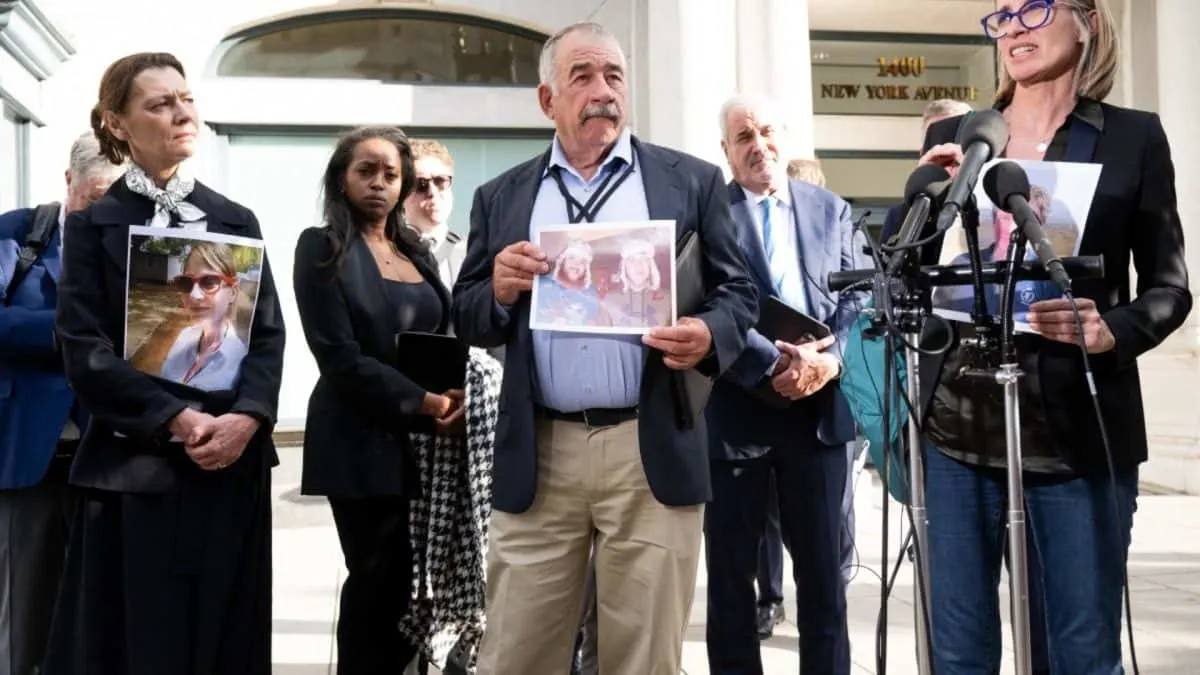
A Chicago jury awarded $29 million to the family of a UN worker killed in the 2019 Boeing 737 MAX crash, marking a rare public trial verdict.
Key Takeaways
- •Chicago jury awards $29 million to the family of UN worker Michael Ryan.
- •Verdict follows a $49.5 million award to another victim's family in May 2026.
- •Lawsuit is one of the final civil claims remaining from the 737 MAX crashes.
A Chicago jury has rendered a landmark $29 million Michael Mick Ryan verdict in a high-profile Boeing 737 MAX lawsuit stemming from the 2019 Ethiopian Airlines Flight 302 disaster. This decision represents a significant development in aviation disaster compensation and highlights ongoing MCAS software liability issues. The civil suit was brought against Boeing by Naoise Connolly Ryan, the widow of Michael "Mick" Ryan, a 39-year-old engineer with the United Nations (UN) World Food Programme (WFP) who was one of the 157 people killed in the crash.
The verdict, delivered in the U.S. District Court for the Northern District of Illinois, marks a critical shift in how remaining claims from the dual Boeing 737 MAX disasters are resolved. While the vast majority of wrongful death claims from the 2018 and 2019 crashes have been settled privately out of court under confidential terms, this public trial highlights a growing willingness by remaining plaintiffs to seek direct jury accountability. The legal strategy bypasses standard corporate settlement funds, directly exposing the aerospace manufacturer to large, variable jury awards and sustained public scrutiny.
The Legacy of Michael Ryan and the Pursuit of Jury Accountability
According to court documents, Michael Ryan was a highly regarded civil engineer who dedicated his career to humanitarian efforts. His work with the UN WFP spanned critical global crises, including the Ebola epidemic in Liberia and aid operations for Rohingya refugees. A UN memorial page dedicated to Ryan also recognized his engineering contributions in Afghanistan, Sri Lanka, Nepal, and Ethiopia.
The civil case is one of the final remaining lawsuits pending against Boeing following the two catastrophic 737 MAX crashes that claimed a total of 346 lives. The first accident, Lion Air Flight 610, occurred in October 2018, followed by the Ethiopian Airlines crash in March 2019. Naoise Ryan's attorney, Steven Marks, emphasized that his client remained resolute in her refusal to accept a direct private settlement from Boeing. Marks stated that his client was "committed to seeking accountability and justice from a jury and not accepting money from Boeing directly," choosing instead to present the case to a public courtroom.
Boeing has publicly apologized for the accidents and acknowledged that its Maneuvering Characteristics Augmentation System (MCAS), an automated anti-stall software program, was implicated in both crashes. The manufacturer's efforts to resolve these liabilities are documented in the U.S. Department of Justice fraud conspiracy agreement, which detailed how information regarding the MCAS software was withheld during the aircraft's initial certification by the Federal Aviation Administration (FAA).
While Boeing has sought to resolve outstanding claims through established compensation funds, the company continues to face alternative perspectives regarding its liability. Boeing has maintained that it has accepted responsibility, apologized, and attempted to compensate families fairly through structured settlement funds to avoid the emotional and financial toll of prolonged litigation. However, for families seeking public disclosure, these structured funds have not replaced the desire for a formal jury verdict.
Comparative Verdicts and Historical Precedents in MAX Litigation
The $29 million award is not an isolated event but follows a clear legal precedent established in the same Chicago federal court. In May 2026, a Chicago jury awarded $49.5 million in damages to the family of Samya Stumo, a 24-year-old American who was also killed on Ethiopian Airlines Flight 302. The Stumo family, represented by Clifford Law Offices, similarly rejected private settlement offers to pursue a jury trial.
These consecutive multi-million dollar verdicts contrast sharply with the historical pattern of aviation disaster litigation, where over 90% of claims are typically resolved through confidential, out-of-court settlements. The financial scale of these jury awards demonstrates the heightened liability exposure Boeing faces when cases proceed to trial. For comparison, the initial grounding of the 737 MAX fleet in 2019 prompted billions of dollars in corporate charges, but the individual cost of unresolved civil litigation continues to mount years after the aircraft returned to commercial service.
MCAS Software Liability and the Shift Away from Private Settlements
The recent jury verdicts indicate a structural shift in aviation litigation dynamics, where the traditional preference for private settlements is being challenged by a demand for public corporate accountability. Historically, major aviation disasters result in rapid, confidential insurance payouts designed to cap liability and avoid negative publicity. However, the systemic nature of the 737 MAX design failures—specifically the design and certification of the MCAS software—has created a unique class of litigants who prioritize public record-building over financial closure. This trend suggests that aerospace manufacturers may face prolonged, high-exposure litigation cycles in future systemic product-liability cases, as the precedent set by the Ryan and Stumo verdicts provides a clear financial and strategic blueprint for remaining plaintiffs.
Litigation Timelines and Regulatory Milestones
The legal landscape for Boeing remains active as several critical milestones approach. According to the U.S. District Court for the Northern District of Illinois, the resolution of the final remaining civil suits against Boeing regarding the 737 MAX crashes is expected to occur between late 2026 and 2027. Additionally, the U.S. Department of Justice is advancing its regulatory oversight, with a final judicial decision or sentencing regarding Boeing's criminal fraud plea deal expected by late 2026. These proceedings will formalize the corporate penalties and compliance mandates that will govern Boeing's manufacturing operations moving forward.
The Financial and Legal Read for Aviation Insurers
This development carries significant implications for aviation insurance underwriters, who face increased financial exposure as multi-million dollar jury verdicts bypass standard out-of-court settlement caps. For the broader aerospace industry, these public trials ensure that quality control and software integration failures remain in the public eye, directly impacting corporate reputation and long-term fleet valuations. Ultimately, the transition from private settlements to jury verdicts establishes a new baseline for passenger-victim compensation in systemic aviation accidents.
Frequently Asked Questions
- What was the jury verdict in the Michael Mick Ryan lawsuit against Boeing?
- A Chicago jury awarded $29 million in damages to the family of Michael 'Mick' Ryan, a United Nations World Food Programme engineer who died in the 2019 Ethiopian Airlines Flight 302 crash.
- How many people died in the Boeing 737 MAX crashes of 2018 and 2019?
- A total of 346 people died in the two crashes, which included 189 fatalities on Lion Air Flight 610 in October 2018 and 157 fatalities on Ethiopian Airlines Flight 302 in March 2019.
- What software was implicated in the Boeing 737 MAX crashes?
- The Maneuvering Characteristics Augmentation System (MCAS), an automated anti-stall software program, was implicated in both accidents after Boeing withheld information about it during certification.
Visit omniflights.com for the latest commercial aviation news and airline industry updates. Get the latest updates on major hubs, regional terminals, and airport operations via the Airports section at omniflights.com/airports.
Written by Shashank Shukla
Co-Founder & CTO leading the engineering and AI systems behind Omni Flights. Covers aviation technology, flight safety, aircraft manufacturing, and emerging aerospace developments.
Visit ProfileYou Might Also Like
Discover more aviation news based on similar topics
Families Demand DCA Midair Collision Safety Reforms
Families of 67 victims from the 2025 DCA midair collision are pressing Congress for mandatory ADS-B In technology to prevent future aviation tragedies.
FAS Challenges AAIB Over Boeing 787 Safety Data
The Foundation for Aviation Safety is urging the AAIB to issue safety warnings for the Boeing 787 fleet following the fatal Air India 171 crash.
NTSB Safety Recommendations Lag Amid 6 Monthly Near-Misses
Approximately 6 near-miss incidents occur monthly at U.S. airports as 270 NTSB safety recommendations remain unaddressed by federal regulators.
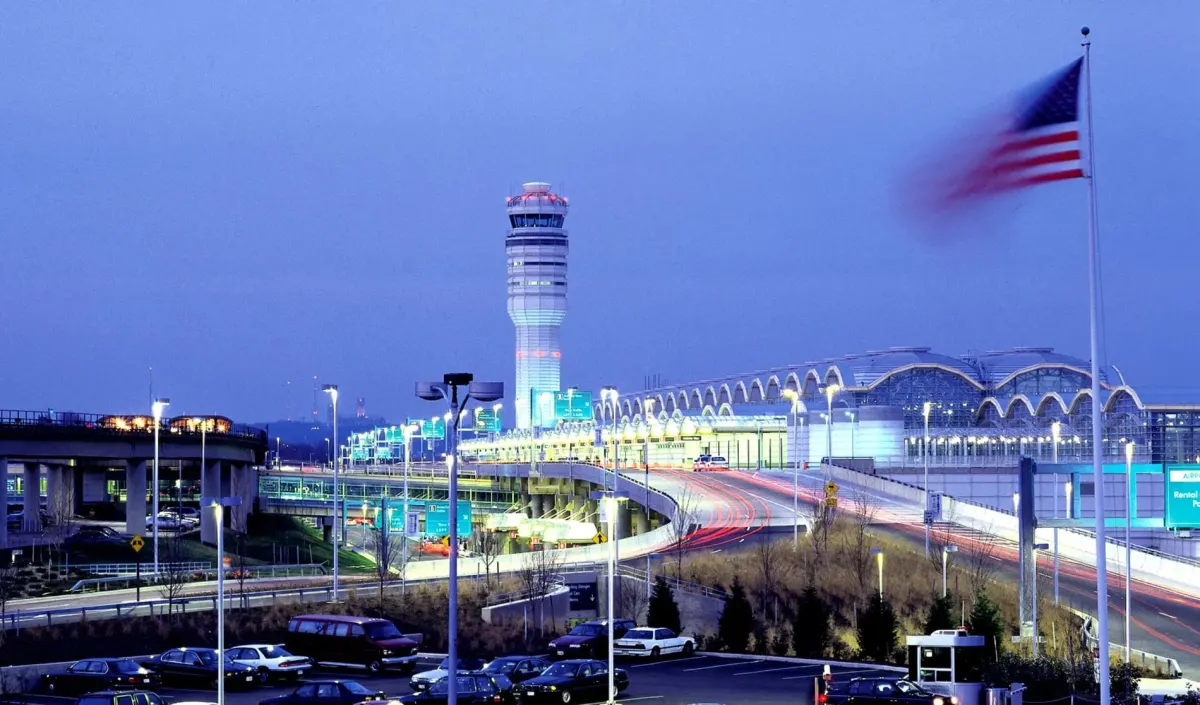
NTSB Rejects FAA Safety Responses After 67-Fatality Crash
The NTSB labeled 11 FAA responses to 2025 DCA mid-air collision recommendations as unacceptable, citing the lack of a mandatory ADS-B In requirement.
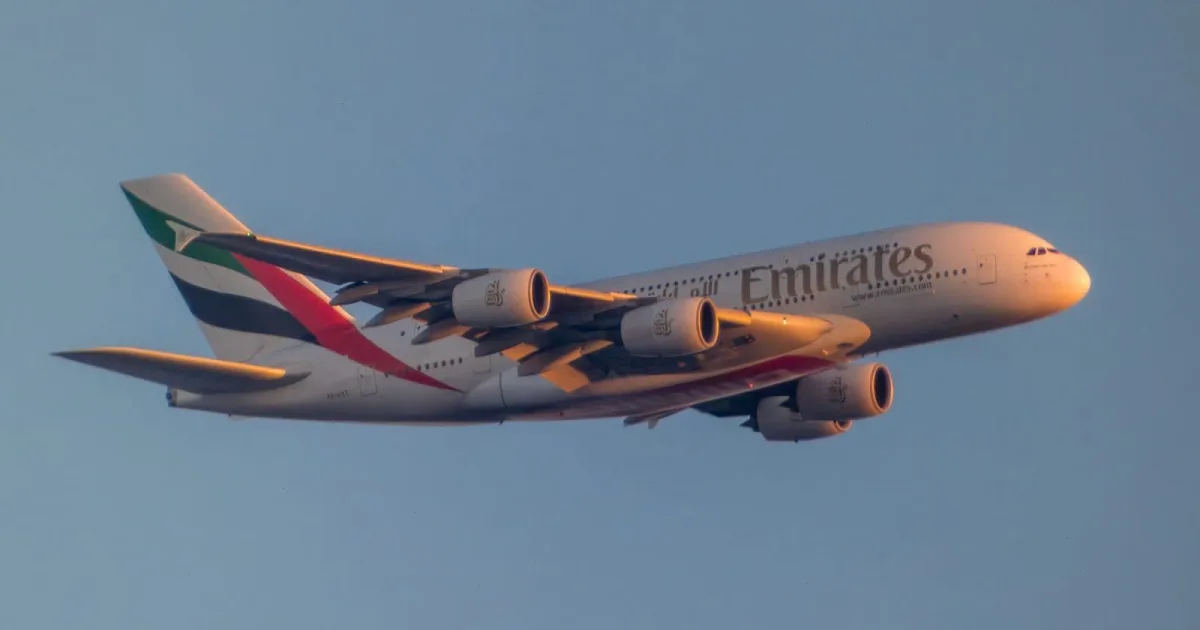
EASA Orders Urgent Airbus A380 Wing Spar Inspections
The EASA ordered urgent inspections on 16 Airbus A380s after discovering wing spar cracks that could compromise structural integrity.
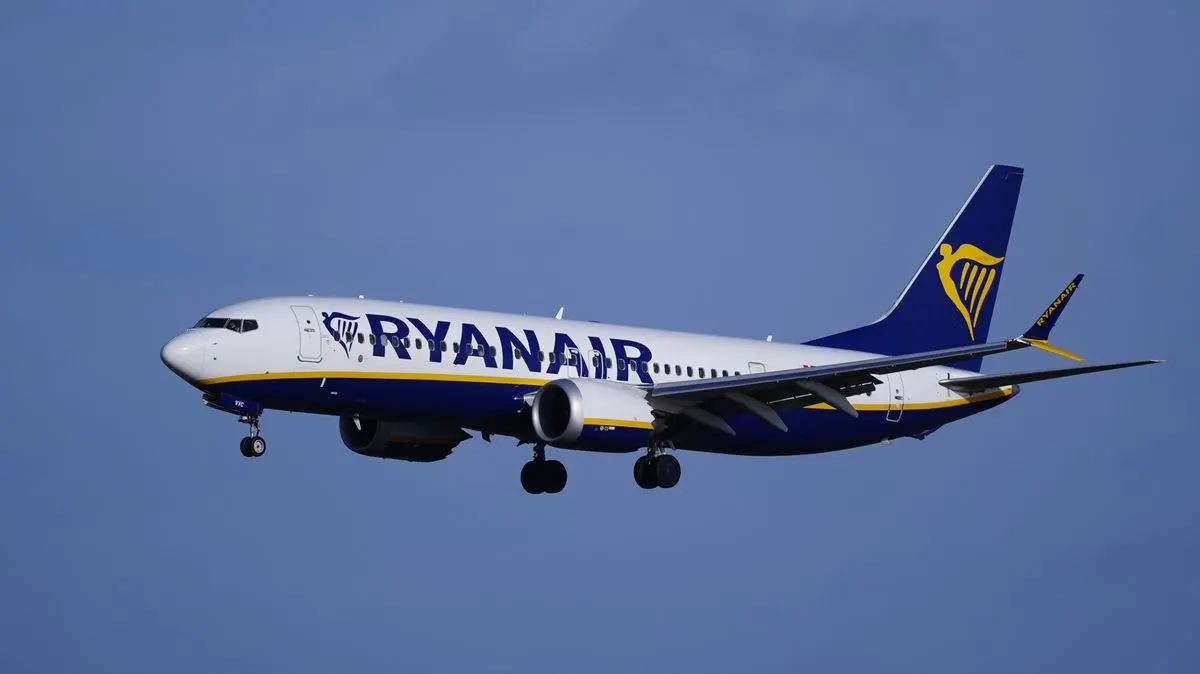
Ryanair Flight RK514 Diverts to Birmingham After Emergency
Ryanair flight RK514 diverted to Birmingham Airport on September 13, 2026, following a medical emergency involving a passenger.