Azul Cuts Flights as Brazil Jet Fuel Costs Surge

Co-Founder & CEOAviation News Editor delivering trusted coverage across the global aviation industry.
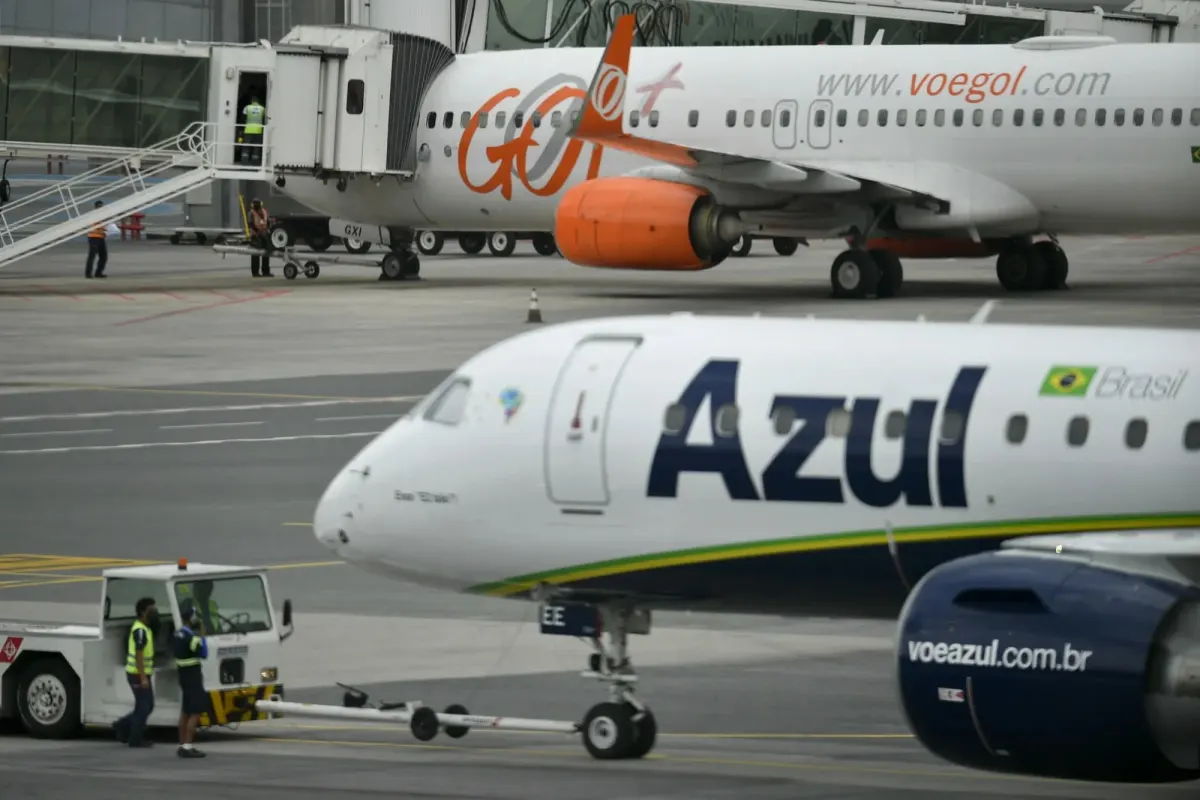
Azul and other Brazilian carriers are reducing capacity as Petrobras jet fuel price hikes and geopolitical tensions drive up operating costs.
Key Takeaways
- •Azul projects a $204 million financial impact from rising fuel costs in 2026.
- •Global airline profits are forecast to drop 50% to $23 billion this year.
- •Petrobras capped April 2026 fuel price hikes at 18% for distributors.
- •Airlines are cutting capacity to preserve cash amid record fuel prices.
Brazil Airlines Reduce Capacity Amid Fuel Crisis
Brazilian carriers are implementing aggressive capacity reductions as record-high Querosene de Aviação (QAV) prices, driven by geopolitical instability in the Middle East, force a recalibration of network strategies. Azul Linhas Aéreas recently confirmed it will trim flight frequencies to protect liquidity, projecting a financial impact of approximately 1 billion reais ($204.15 million) for 2026. This operational pivot reflects a broader industry challenge as airlines struggle to manage fuel costs that now represent between 30% and 40% of total operating expenses, according to ANAC (Agência Nacional de Aviação Civil) market data.
The Financial Impact of Global Fuel Price Spikes
The current fuel shock is rippling through the global aviation sector, with the International Air Transport Association (IATA) projecting that global airline net profits will drop by roughly 50% to $23 billion in 2026. This decline is largely attributed to a $100 billion increase in global jet fuel bills, with average prices reaching $152 per barrel—a 70% year-over-year increase. For Brazilian carriers, the situation is exacerbated by the reliance on Petrobras, which serves as the primary supplier of aviation kerosene. In response to the crisis, Petrobras implemented an Aviation Fuel Price Deferment Plan, capping the immediate April 2026 price increase at 18% and allowing airlines to pay the remaining balance of a 54.6% adjustment in six installments.
Operational Challenges and Fleet Modernization
Beyond immediate fuel costs, airlines face structural headwinds from ongoing delivery delays at Airbus and Boeing. These supply chain constraints force carriers to operate older, less fuel-efficient aircraft longer than anticipated, compounding the financial strain of record-high energy prices. Azul CEO John Rodgerson has emphasized that the airline will opportunistically trim flights to preserve cash flow as the fuel shock persists. This strategy of capacity reduction is a familiar industry playbook; historically, during the 2008 global oil price peak, carriers similarly grounded inefficient fleets and consolidated routes to survive. While IATA Director General Willie Walsh noted that a physical shortage of fuel is unlikely, the economic burden will inevitably reach passengers through higher ticket prices.
Regulatory and Stakeholder Pressures
ANAC is currently monitoring the potential for airlines to pass these drastic fuel cost increases onto consumers. While carriers lobby for government tax relief, consumer advocacy groups argue that airlines may use the fuel crisis as a justification to permanently cut regional routes that are socially necessary but currently unprofitable. Environmental analysts have also weighed in, suggesting that the current volatility should serve as a catalyst to accelerate the adoption of Sustainable Aviation Fuel rather than relying on capacity cuts to buffer against fossil fuel price spikes.
What Comes Next: The Deferment Payment Schedule
As the industry navigates this volatile period, the next critical milestone is the commencement of the Aviation Fuel Price Deferment Plan installment payments. Airlines are scheduled to begin paying the deferred portion of their fuel costs in July 2026. This payment cycle will be a key indicator of airline liquidity, as carriers balance debt obligations with the need to maintain essential route networks. Analysts will be watching the Q3 earnings reports closely to determine if the capacity cuts successfully stabilized operating margins or if further network retrenchment is required to offset the ongoing fuel price volatility.
Frequently Asked Questions
- Why are Brazilian airlines like Azul cutting their flight schedules?
- Brazilian airlines are reducing capacity to preserve liquidity in response to a sharp rise in jet fuel prices, which now account for 30% to 40% of their total operating costs.
- What is the Petrobras Aviation Fuel Price Deferment Plan?
- To prevent market collapse, Petrobras capped the April 2026 fuel price hike at 18% and allowed airlines to pay the remaining contractual adjustment in six installments starting in July 2026.
omniflights.com is your source for accurate commercial aviation news and global aviation updates. Discover how innovation is shaping aviation through aircraft systems, avionics, and digital tools at omniflights.com/technology.
Written by Hardik Vishwakarma
Co-Founder & Aviation News Editor leading initiatives that improve trust and visibility across the global aviation industry. Covers airlines, airports, safety, and emerging technology.
Visit ProfileYou Might Also Like
Discover more aviation news based on similar topics

Red Sea Airlines Leases Two 737 MAX 8s for 2027 Expansion
Red Sea Airlines signed a lease for two Boeing 737 MAX 8 aircraft from SMBC Aviation Capital, arriving in 2027 to support its 14-aircraft fleet goal.
Avelo CEO Warns Airfares May Rise on Jet Fuel Price Spikes
Avelo Airlines CEO Andrew Levy warns that rising fuel costs may force fare increases as global jet fuel prices reach $171.01 per barrel.
IndiGo, Air India Battle for Mumbai-Delhi Route Dominance
IndiGo and the Air India group are competing for dominance on the Mumbai-Delhi air route, which saw 13.9 percent capacity growth this September.

Delta Air Lines Trims 5 Routes, Cuts Las Vegas Capacity
Delta Air Lines will end five domestic routes from New York and Las Vegas this winter as part of a seasonal network capacity adjustment.

FLY91 Orders 40 ATR 72-600s for Regional Fleet Expansion
Indian startup FLY91 has placed a firm order for 40 ATR 72-600 aircraft, valued at $1 billion, to scale its regional fleet to 60 planes by 2032.

SWISS Takes Delivery of Third Airbus A350-900 Named 'Zug'
Swiss International Air Lines has welcomed its third Airbus A350-900, which will feature the new 'SWISS Senses' cabin on select long-haul routes.