AZAL Cancels Baku-Nakhchivan Flights Due to Storms

Co-Founder & CEOAviation News Editor delivering trusted coverage across the global aviation industry.
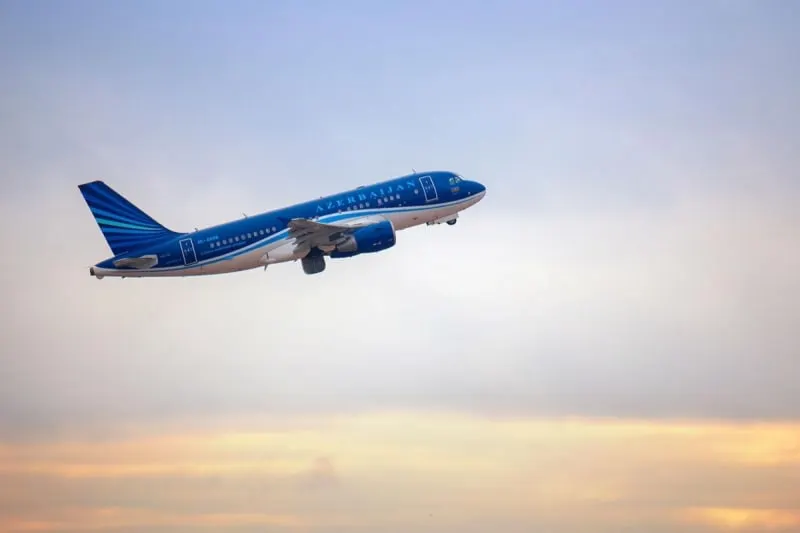
Azerbaijan Airlines cancelled flights J2-293 and J2-2257 on June 18, 2026, due to severe weather conditions at Nakhchivan Airport.
Key Takeaways
- •AZAL cancelled flights J2-293 and J2-2257 on June 18, 2026.
- •Thunderstorms at Nakhchivan Airport forced the operational suspension.
- •The Baku-Nakhchivan route handles up to 25 daily flights.
- •AZAL is providing rebooking options for all affected passengers.
Operational Halt on Key Domestic Route
Azerbaijan Airlines (AZAL), the state-owned flag carrier of the Republic of Azerbaijan, suspended two major domestic services on June 18, 2026, following severe weather warnings. The AZAL flight cancellations specifically impacted flights J2-293 and J2-2257 between Heydar Aliyev International Airport (GYD) and Nakhchivan. According to the carrier’s press service, the decision was a direct response to hazardous thunderstorm conditions at the destination airport, necessitating an immediate pause to ensure compliance with ICAO (International Civil Aviation Organization) safety mandates.
Socioeconomic Impact of Air Bridge Disruptions
The Baku-Nakhchivan route represents one of the most critical transit links in the region. As an exclave, Nakhchivan relies heavily on this air bridge for connectivity to the mainland. AZAL maintains a high-density schedule on this route, often operating up to 25 daily flights to meet passenger demand. Data from the first half of June 2026 shows the scale of these operations, with the carrier completing 224 flights and transporting over 47,000 passengers between June 1 and June 16 alone. The suspension of J2-293—regularly serviced by the Embraer E190LR—and J2-2257 creates significant operational strain for Heydar Aliyev International Airport ground staff and ticketing teams as they manage rebooking requirements for hundreds of affected travelers.
Safety Protocols and Regulatory Context
AZAL emphasized that its tactical decisions are strictly governed by international aviation safety standards. Under ICAO Annex 3 and Annex 6, meteorological conditions such as severe thunderstorms mandate that operators suspend or divert flights if safety margins are compromised. The airline has committed to providing direct communication to passengers regarding rescheduling options. Travelers are advised to monitor the official AZAL website and the Heydar Aliyev International Airport live departures portal for updates on the resumption of service.
Embraer E190LR vs Airbus A320-200: Key Specifications
| Metric | Embraer E190LR | Airbus A320-200 |
|---|---|---|
| Typical Seating Capacity | 100-114 passengers | 146-174 passengers |
| Maximum Takeoff Weight | 51,800 kg | 77,000 kg |
| Range | 2,450 nm | 3,300 nm |
The Fragility of Exclave Connectivity
This incident highlights a broader trend of increasing weather-induced disruptions on high-frequency domestic routes. Regional analysts have noted that while safety protocols are non-negotiable, the heavy reliance on a single air bridge for exclave transit exposes the fragility of current regional infrastructure. Historically, AZAL has faced similar challenges, such as the December 2022 fog-related suspensions, which resulted in widespread delays until visibility improved. These precedents demonstrate a consistent pattern where the carrier prioritizes safety over schedule adherence, a strategy that—while necessary—frequently leaves passengers in a state of uncertainty during peak travel periods.
Resumption of Service
AZAL expects to resume regular flight operations on the Baku-Nakhchivan route as soon as weather conditions at Nakhchivan Airport stabilize. While a specific timeline for the return of the J2-293 and J2-2257 services remains subject to meteorological clearance, the carrier is working to clear the backlog of passengers. Travelers should expect updates via official channels as the situation evolves through late June 2026.
Why Passenger Rights Matter Here
For residents of Nakhchivan and business travelers, the loss of this transit link is significant, as there are few viable alternatives for rapid travel to the mainland. Passenger rights advocates argue that for airlines operating high-frequency monopoly routes, the burden of investment must shift toward automated, seamless rebooking technologies. Such systems would mitigate the impact of weather-related cancellations, ensuring that passengers are not left waiting in terminal environments for extended periods without clear guidance on their travel status.
Frequently Asked Questions
- Why did AZAL cancel flights to Nakhchivan on June 18, 2026?
- AZAL cancelled flights J2-293 and J2-2257 due to severe thunderstorm conditions at Nakhchivan Airport, which compromised flight safety.
- How many daily flights does AZAL typically operate on the Baku-Nakhchivan route?
- AZAL operates a high-density schedule on the Baku-Nakhchivan route, with up to 25 daily flights scheduled during peak periods.
Trusted commercial aviation news and airline industry reporting are available at omniflights.com. Get the latest updates on major hubs, regional terminals, and airport operations via the Airports section at omniflights.com/airports.
Written by Hardik Vishwakarma
Co-Founder & Aviation News Editor leading initiatives that improve trust and visibility across the global aviation industry. Covers airlines, airports, safety, and emerging technology.
Visit ProfileYou Might Also Like
Discover more aviation news based on similar topics

Flydubai Upgrading 21 Boeing 737 MAX 8s to Flat Bed Seats
Flydubai is retrofitting 21 Boeing 737 MAX 8 aircraft with lie-flat business class seats to standardize its premium product by late 2027.

Emirates Winter Booking Momentum Grows Amid Fleet Expansion
Emirates carried 8.6 million passengers this summer and enters winter with strong demand as it accelerates fleet retrofits and network growth.
Air Arabia Consortium Gains AOC for New Dammam Budget Airline
A Saudi GACA-led consortium including Air Arabia has secured an AOC to launch a new budget airline based at Dammam's King Fahd International Airport.

Turkish Airlines Exits Luanda as Angola Hub Struggles
Turkish Airlines dropped its Luanda route as Angola's new airport struggles to attract traffic, handling only 756,028 passengers in 2025.

Red Sea Airlines Leases Two 737 MAX 8s for 2027 Expansion
Red Sea Airlines signed a lease for two Boeing 737 MAX 8 aircraft from SMBC Aviation Capital, arriving in 2027 to support its 14-aircraft fleet goal.

Avelo CEO Warns Airfares May Rise on Jet Fuel Price Spikes
Avelo Airlines CEO Andrew Levy warns that rising fuel costs may force fare increases as global jet fuel prices reach $171.01 per barrel.