Avianca Cargo Launches Weekly Freighter Route to Viru Viru

Co-Founder & CEOAviation News Editor delivering trusted coverage across the global aviation industry.
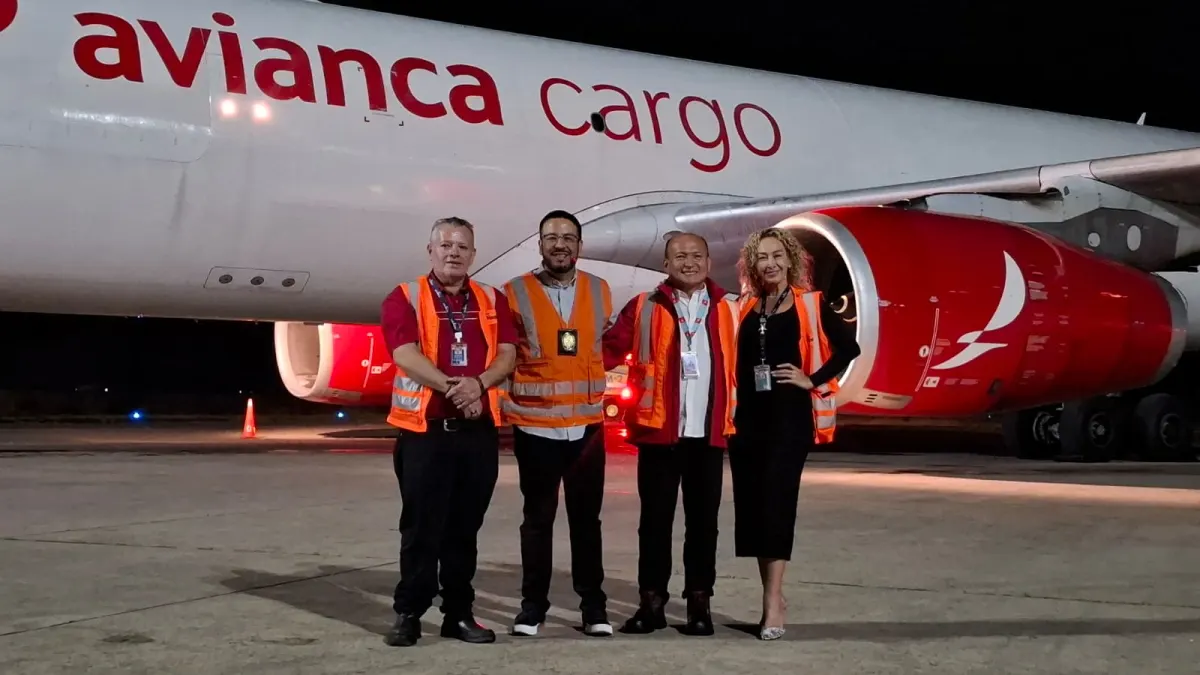
Avianca Cargo launched a weekly freighter service to Viru Viru International Airport in Bolivia, providing 60 tons of capacity per flight.
Key Takeaways
- •Avianca Cargo launched a weekly freighter route to VVI on June 5, 2026.
- •The new service adds 60 tons of weekly capacity using A330 freighter aircraft.
- •Historically, 94% of Bolivian air freight moved in passenger aircraft bellies.
- •The route aims to support mining, pharmaceutical, and e-commerce logistics sectors.
Expanding Connectivity to Bolivia
Avianca Cargo has officially inaugurated a new weekly freighter service to Viru Viru International Airport (VVI) in Santa Cruz de la Sierra, Bolivia. The service, which commenced on June 5, 2026, establishes a direct link between the carrier’s primary hubs in Miami and Bogotá and the Bolivian market. This expansion represents a significant shift in regional logistics, as the airline deploys its Airbus A330 Freighter (A330F) fleet to serve a market previously reliant on narrow-body passenger aircraft for international freight.
The Shift to Dedicated Main-Deck Capacity
The introduction of the A330F provides up to 60 tons of weekly cargo capacity per flight. According to ICAO (International Civil Aviation Organization) Air Transport Reporting Forms, historically, 94% of international air freight to and from Bolivia was transported in the belly of passenger aircraft. This reliance on narrow-body capacity often constrained the movement of heavy or oversized goods. The new dedicated freighter route addresses this gap by offering main-deck access, which is essential for the mining, pharmaceutical, and e-commerce sectors. Data indicates that 63% of Bolivia's total air cargo traffic is international, with a high demand for the rapid transport of temperature-sensitive medical supplies and vaccines.
Regulatory Coordination and Infrastructure
The expansion was finalized through close coordination with Bolivian authorities, including the DGAC (Dirección General de Aeronáutica Civil) and NAABOL (Navegación Aérea y Aeropuertos Bolivianos). The DGAC granted the necessary operational permits for scheduled commercial freight flights within Bolivian airspace, while NAABOL and the National Customs Service ensured that the ground infrastructure at VVI was prepared for high-volume international freight processing. This regulatory framework underpins the airline's ability to maintain a consistent operational schedule at the airport.
Strategic Network Consolidation
For Avianca Cargo, this route is part of a broader strategy to utilize El Dorado International Airport in Bogotá as a central regional hub. By consolidating European and North American freight in Bogotá before distributing it to secondary South American markets, the airline aims to increase operational efficiency. "At Avianca Cargo, we continue to invest in the development of new markets, consolidating a network that drives more efficient connections between the Americas and the world," stated Diogo Elías, CEO of Avianca Cargo. This approach follows the recent launch of a dedicated Bogotá–Caracas freighter service in March 2026, which similarly added 60 tons of weekly capacity to a previously underserved market.
A330 Freighter Fleet Capabilities
Avianca Cargo utilizes its A330F fleet to manage these routes, balancing payload and range requirements. The technical specifications of the aircraft allow for complex logistics support that narrow-body alternatives cannot match.
A330-200F vs. A330-300P2F: Key Specifications
| Metric | A330-200F | A330-300P2F |
|---|---|---|
| Maximum Payload | 70 tonnes | 62 tonnes |
| Main Deck Capacity | 23 pallets | 26 pallets |
| Maximum Range | 4,000 nm | 3,700 nm |
What Comes Next for Bolivian Logistics
The arrival of dedicated widebody freighters sets a new competitive benchmark for the region. For Boliviana de Aviación (BoA), the incumbent carrier, the presence of a major foreign operator on international routes introduces direct competition for high-value freight. Moving forward, the industry will monitor whether the increased capacity leads to a surge in export volumes from the mining and automotive sectors, which have previously faced limitations regarding heavy component transport. The success of this route is expected to serve as a bellwether for potential future expansions into other secondary South American cities currently underserved by dedicated main-deck services.
Why This Matters for Regional Trade
This development is critical for Miami-based freight forwarders who now possess a direct routing option for e-commerce and pharmaceutical exports to Bolivia, bypassing time-consuming third-country transshipment. By streamlining the supply chain, Avianca Cargo is positioning itself to capture a larger share of the specialized logistics market in Latin America. For the local Bolivian economy, the availability of 60 tons of weekly capacity provides a necessary infrastructure upgrade to support industrial growth and international trade integration.
Frequently Asked Questions
- What aircraft does Avianca Cargo use for the new route to Viru Viru?
- Avianca Cargo utilizes Airbus A330 freighter aircraft for its new weekly service to Viru Viru International Airport.
- How much cargo capacity does the new Avianca Cargo route provide?
- The new route provides up to 60 tons of weekly main-deck cargo capacity per flight.
From airline operations to fleet updates, commercial aviation news lives at omniflights.com. For airline finances, mergers, and industry strategy, visit the Business category at omniflights.com/business.
Written by Hardik Vishwakarma
Co-Founder & Aviation News Editor leading initiatives that improve trust and visibility across the global aviation industry. Covers airlines, airports, safety, and emerging technology.
Visit ProfileYou Might Also Like
Discover more aviation news based on similar topics
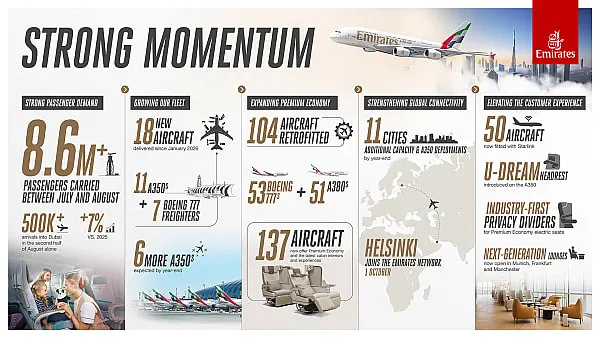
Emirates Winter Booking Momentum Grows Amid Fleet Expansion
Emirates carried 8.6 million passengers this summer and enters winter with strong demand as it accelerates fleet retrofits and network growth.

Air Arabia Consortium Gains AOC for New Dammam Budget Airline
A Saudi GACA-led consortium including Air Arabia has secured an AOC to launch a new budget airline based at Dammam's King Fahd International Airport.

Turkish Airlines Exits Luanda as Angola Hub Struggles
Turkish Airlines dropped its Luanda route as Angola's new airport struggles to attract traffic, handling only 756,028 passengers in 2025.

Red Sea Airlines Leases Two 737 MAX 8s for 2027 Expansion
Red Sea Airlines signed a lease for two Boeing 737 MAX 8 aircraft from SMBC Aviation Capital, arriving in 2027 to support its 14-aircraft fleet goal.
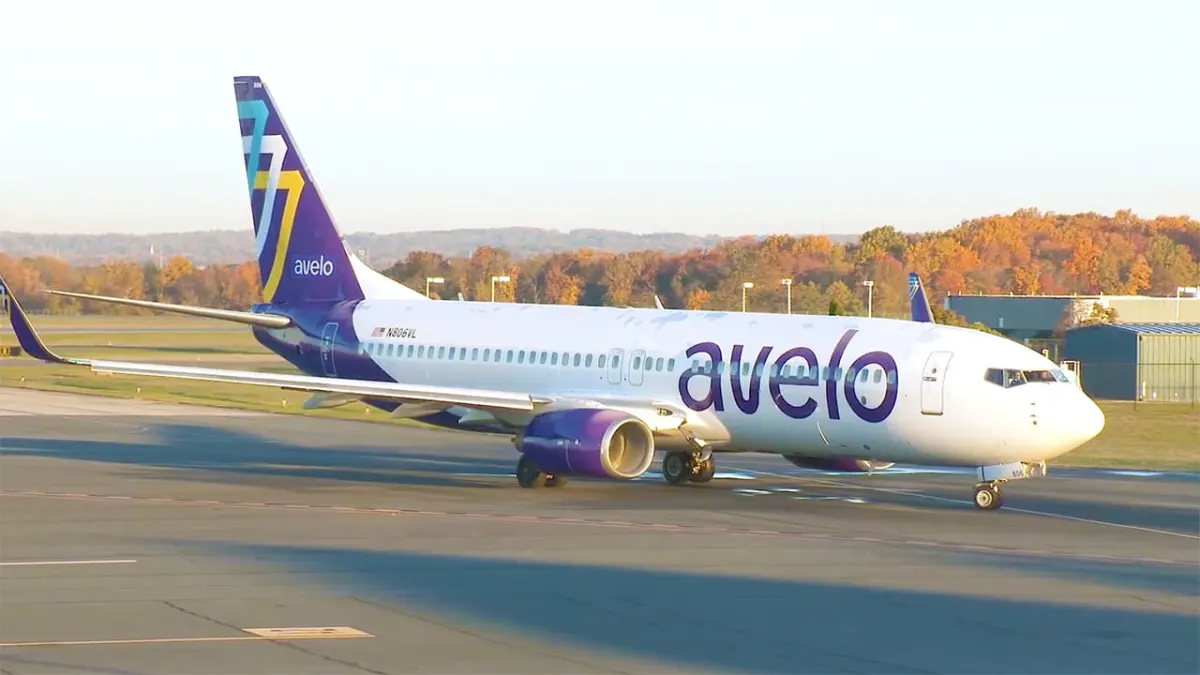
Avelo CEO Warns Airfares May Rise on Jet Fuel Price Spikes
Avelo Airlines CEO Andrew Levy warns that rising fuel costs may force fare increases as global jet fuel prices reach $171.01 per barrel.
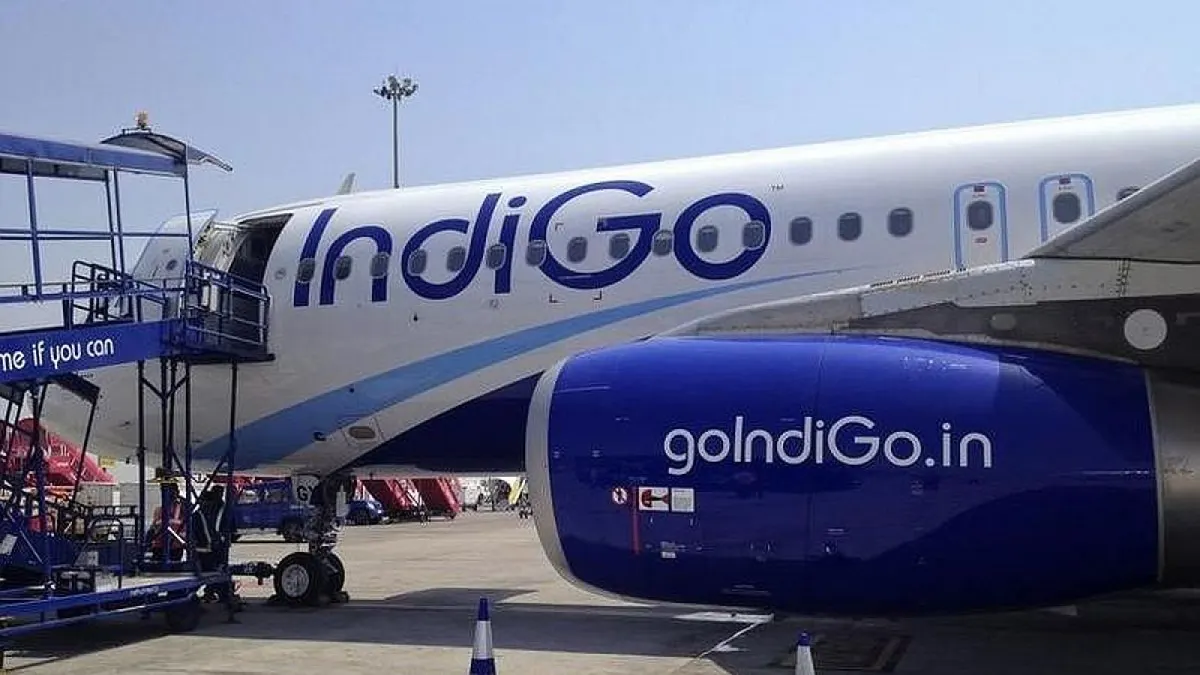
IndiGo, Air India Battle for Mumbai-Delhi Route Dominance
IndiGo and the Air India group are competing for dominance on the Mumbai-Delhi air route, which saw 13.9 percent capacity growth this September.