ATSB Investigates Two Sydney Airport Near-Collisions

Co-Founder & CTOCo-Founder & CTO driving the technology and data systems behind Omni Flights.
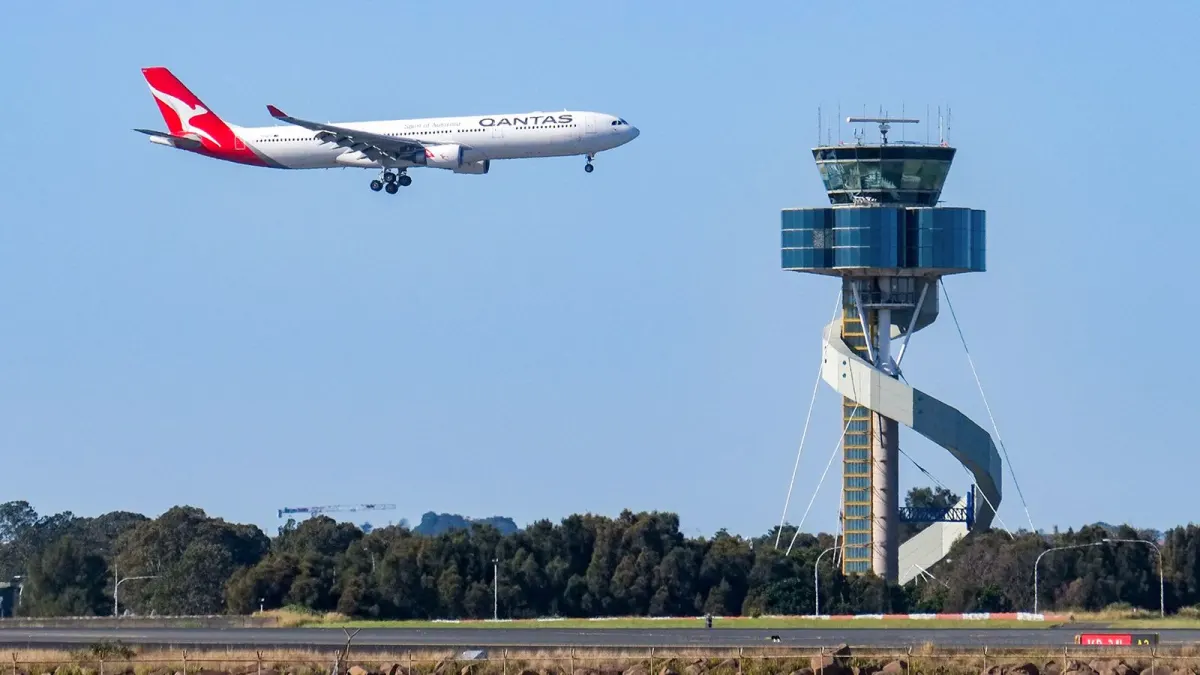
The ATSB is investigating two near-collisions at Sydney Airport that occurred amid severe air traffic control staffing shortages.
Key Takeaways
- •ATSB investigates two Sydney Airport near-collisions within two weeks.
- •Jetstar A320 and Qatar Airways 777 near-miss causes cabin crew injury.
- •Airservices Australia lost 140 senior controllers to 2021 redundancies.
- •Federal mandate requires improved ATC rostering by September 2026.
The Australian air traffic control crisis has deepened following an ATSB investigation launch into a second Sydney Airport near miss within a two-week period. These safety occurrences come amid a critical Airservices Australia shortage that has severely strained the nation's aviation network. The Australian Transport Safety Bureau (ATSB) is now analyzing the breakdowns in coordination to determine if systemic issues contributed to these safety breaches.
The operational impact of these incidents extends beyond immediate safety risks, directly affecting Sydney Airport (SYD) capacity and flight schedules. To maintain minimum safety margins under depleted staffing levels, Air Traffic Control (ATC) has been forced to increase aircraft spacing, leading to frequent flight delays and reduced arrival and departure rates. This operational strain has placed immense pressure on the remaining workforce, with controllers frequently working heavy overtime to cover gaps.
Breakdowns in Ground Coordination
The first of the two investigated incidents, designated AO-2026-086, occurred on July 27, 2026, and involved a Qantas Boeing 737 and a QantasLink Dash-8 on the runway taxiways. The second, more severe incident, designated AO-2026-087, occurred on August 9, 2026, involving a Jetstar Airbus A320 and a Qatar Airways Boeing 777. During the August 9 event, the Jetstar aircraft was forced to brake suddenly on a taxiway to avoid a collision, resulting in one injured cabin crew member who required medical attention.
According to the air traffic controllers' union, Civil Air, the root cause of these safety breaches lies in chronic understaffing rather than isolated individual controller errors. Airservices Australia lost 140 experienced staff aged 56 or older to a pandemic-era voluntary redundancy program in 2021, a loss of expertise that continues to impact the agency's operational resilience. Scott Nugent, president of Civil Air, highlighted the severe strain on the workforce, noting that the current system relies heavily on overtime just to conduct business as usual. Nugent warned that when controllers are forced to perform the workload of multiple people, operational capacity must inevitably be halved to maintain safety.
The Transport Workers' Union (TWU) has also voiced strong concerns regarding the safety risks of current understaffing, aligning with Civil Air's position that systemic fatigue is compromising Australian airspace safety.
Systemic Challenges and Historical Precedents
This is not the first time the air navigation service provider has faced scrutiny over staffing. In late 2022, Sydney Airport experienced severe radar and flight planning system failures. Leaked internal documents from that period revealed that the control unit operated without a manager on at least 70 occasions, leading to widespread ground stops and delays. This historical precedent demonstrates a prolonged pattern of systemic staffing and infrastructure challenges at Airservices Australia, illustrating that the 2026 near-misses are part of an ongoing, unresolved operational deficit.
The Operational Strain Behind the Runway Incursions
The recent near-collisions at Sydney Airport illustrate how labor shortages directly degrade safety margins in high-density terminal environments. When an air navigation service provider loses critical personnel—such as the 140 senior controllers who departed in 2021—the remaining workforce must absorb the operational volume through mandatory overtime. The data suggests that relying on controllers to work up to 10 consecutive days creates an environment highly susceptible to fatigue-induced errors. In complex ground environments like Sydney Airport, where multiple runways and taxiways intersect, a split-second delay in coordination can lead to runway incursions. Rather than isolated procedural mistakes, these occurrences represent a predictable outcome of systemic capacity limits being pushed beyond sustainable thresholds.
The Upcoming September Rostering Mandate
Federal authorities have initiated direct intervention to resolve the crisis. The Federal Transport Minister has mandated that Airservices Australia implement improved ATC rostering practices at Sydney Airport, with a strict implementation deadline set for early September 2026.
In parallel, the ATSB is moving forward with its formal safety investigations. The final report for the Qantas and QantasLink runway incursion (AO-2026-086) is expected to be released in Q4 2026. Meanwhile, the final report for the Jetstar and Qatar Airways near-miss (AO-2026-087) is expected by Q1 2027. These reports will formally determine the contributing factors and outline mandatory safety recommendations for the aviation industry.
Why Systemic Staffing Solutions Are Urgent
For the broader aviation industry, this crisis highlights the fragile link between air traffic control staffing and commercial airline reliability. If Airservices Australia cannot stabilize its workforce, carriers will face permanent capacity caps at Australia's primary international gateway, driving up operating costs and passenger ticket prices. Ultimately, resolving this deficit is critical to maintaining Australia's historically strong aviation safety record.
Frequently Asked Questions
- What caused the recent near-collisions at Sydney Airport?
- The near-collisions occurred amid severe air traffic control staffing shortages at Airservices Australia, which have forced controllers to work excessive overtime and manage high workloads.
- Which aircraft were involved in the Sydney Airport near-miss incidents?
- The first incident on July 27, 2026, involved a Qantas Boeing 737 and a QantasLink Dash-8. The second on August 9, 2026, involved a Jetstar Airbus A320 and a Qatar Airways Boeing 777.
- What actions are being taken to address the Australian air traffic control crisis?
- The Federal Transport Minister has mandated that Airservices Australia implement improved air traffic control rostering practices by early September 2026, while the ATSB conducts formal safety investigations.
Visit omniflights.com for the latest commercial aviation news and airline industry updates. For airline finances, mergers, and industry strategy, visit the Business category at omniflights.com/business.
Written by Shashank Shukla
Co-Founder & CTO leading the engineering and AI systems behind Omni Flights. Covers aviation technology, flight safety, aircraft manufacturing, and emerging aerospace developments.
Visit ProfileYou Might Also Like
Discover more aviation news based on similar topics

Families Demand DCA Midair Collision Safety Reforms
Families of 67 victims from the 2025 DCA midair collision are pressing Congress for mandatory ADS-B In technology to prevent future aviation tragedies.
FAS Challenges AAIB Over Boeing 787 Safety Data
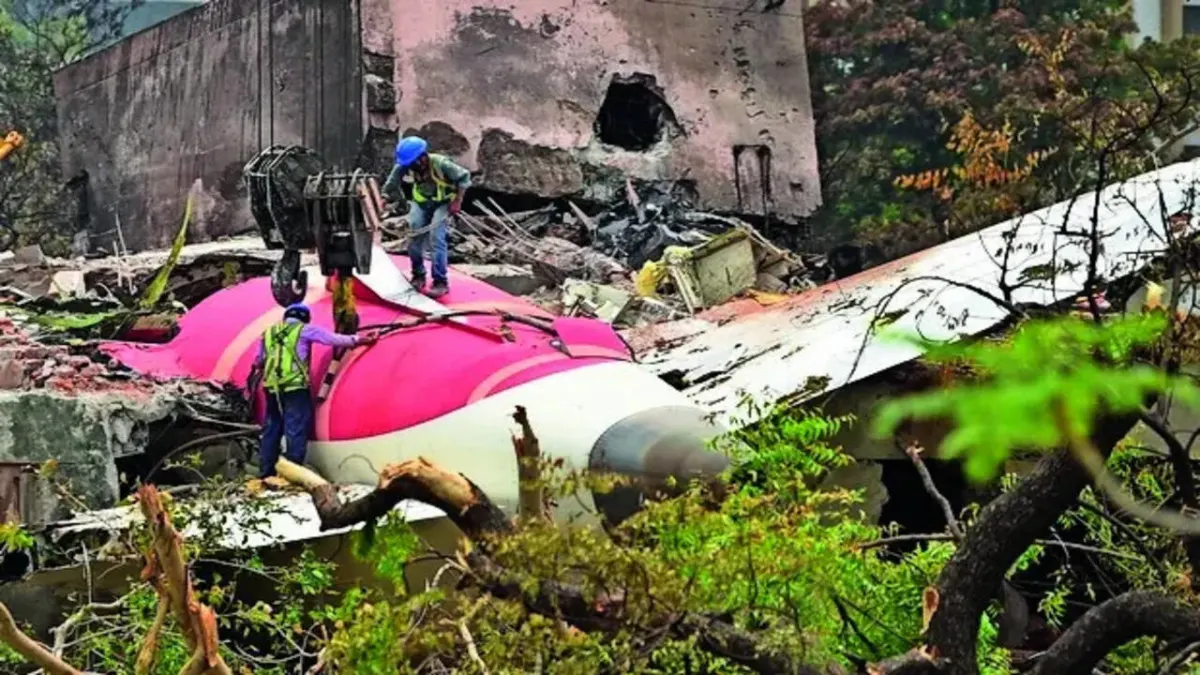
The Foundation for Aviation Safety is urging the AAIB to issue safety warnings for the Boeing 787 fleet following the fatal Air India 171 crash.
NTSB Safety Recommendations Lag Amid 6 Monthly Near-Misses
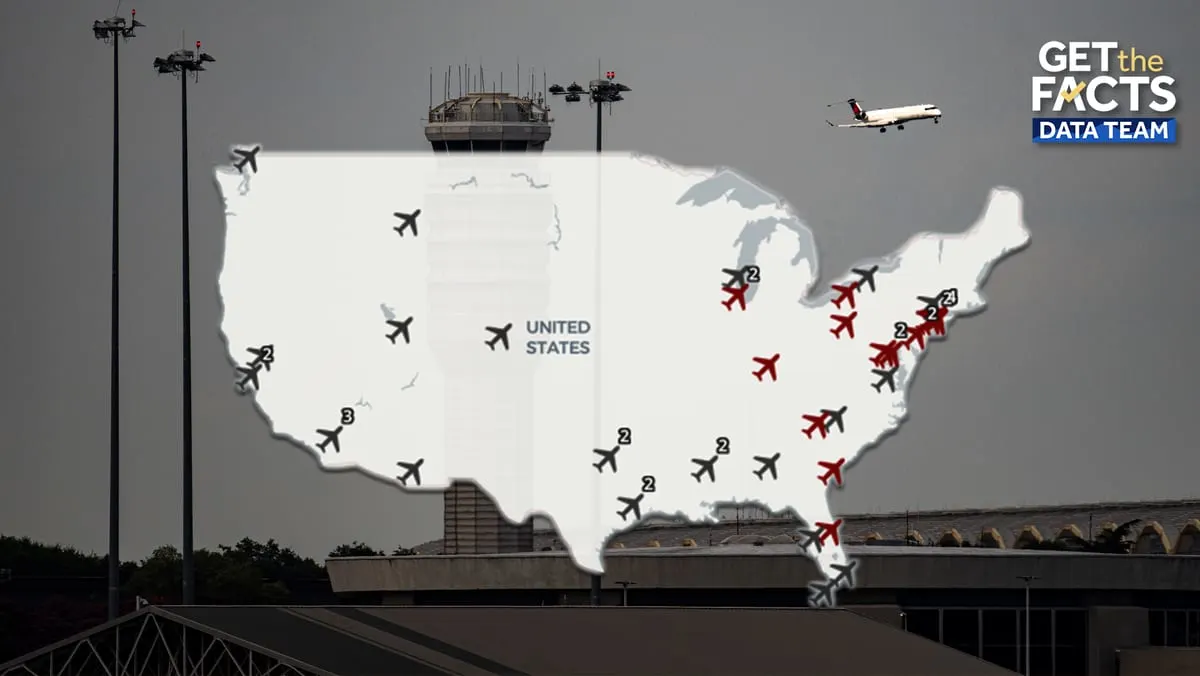
Approximately 6 near-miss incidents occur monthly at U.S. airports as 270 NTSB safety recommendations remain unaddressed by federal regulators.
NTSB Rejects FAA Safety Responses After 67-Fatality Crash
The NTSB labeled 11 FAA responses to 2025 DCA mid-air collision recommendations as unacceptable, citing the lack of a mandatory ADS-B In requirement.
EASA Orders Urgent Airbus A380 Wing Spar Inspections
The EASA ordered urgent inspections on 16 Airbus A380s after discovering wing spar cracks that could compromise structural integrity.
Ryanair Flight RK514 Diverts to Birmingham After Emergency
Ryanair flight RK514 diverted to Birmingham Airport on September 13, 2026, following a medical emergency involving a passenger.