AST SpaceMobile vs. Joby Aviation: 2026 Investment Outlook

Co-Founder & CEOAviation News Editor delivering trusted coverage across the global aviation industry.

AST SpaceMobile and Joby Aviation represent high-growth, capital-intensive bets in the satellite connectivity and urban air mobility sectors.
Key Takeaways
- •AST SpaceMobile generated $70.9 million in FY 2025 revenue.
- •Joby Aviation reported a $929.8 million net loss in FY 2025.
- •Joby targets commercial eVTOL launch in Dubai by 2026.
- •AST SpaceMobile partners with operators serving 3 billion subscribers.
Investors evaluating the next generation of transportation and communication are weighing the potential of AST SpaceMobile stock and Joby Aviation stock. Both companies operate in nascent industries characterized by massive scale potential balanced against high technical and regulatory hurdles. As of fiscal year 2025, each firm faces significant cash burn as they work to commercialize direct-to-device satellite technology and eVTOL air taxi services.
The Path to Connectivity
AST SpaceMobile is developing a space-based cellular broadband network designed to connect directly to unmodified, standard smartphones. The company has secured partnerships with over 50 mobile network operators, representing a combined base of nearly 3 billion subscribers. According to the company's Q4 2025 earnings release, revenue reached $70.9 million in fiscal year 2025, though this was offset by a net loss of $341.9 million. The AST SpaceMobile official website highlights that recent satellite deployments are testing the viability of closing global connectivity gaps without specialized terrestrial hardware.
Urban Air Mobility Commercialization
Joby Aviation is focused on the development of all-electric vertical takeoff and landing aircraft for urban air-taxi services. The company is currently navigating the Federal Aviation Administration (FAA) Stage 4 type certification, a critical milestone for launching commercial operations. In fiscal year 2025, the company recorded $53.4 million in revenue against a net loss of $929.8 million, reflecting the high research and development costs inherent in aerospace manufacturing. The Joby Aviation official website outlines plans for commercial passenger service in major markets, including Dubai, by 2026.
Regulatory and Competitive Risks
Both firms face distinct operational headwinds. For AST SpaceMobile, regulatory scrutiny regarding spectrum usage remains a primary barrier. Industry analysts note that the company faces intense competition from established players like SpaceX, which is also aggressively deploying direct-to-cell satellite constellations. Historically, the 1999 bankruptcy of Iridium Communications serves as a reminder of the extreme capital risks associated with building global satellite networks.
For Joby Aviation, the primary challenge lies in the stringent FAA eVTOL certification process. Any delay in clearing these airworthiness criteria could postpone commercial launches. Furthermore, the company’s reliance on global third-party supply chains introduces potential disruptions to its high-volume manufacturing schedule. Aerospace market analysts have cautioned that the capital intensity and unproven unit economics of urban air mobility make near-term profitability a significant challenge.
Joby S4 vs Archer Midnight: Key Specifications
| Metric | Joby S4 | Archer Midnight |
|---|---|---|
| Top Speed | 200 mph | 150 mph |
| Maximum Range | 150 miles | 100 miles |
| Capacity | 4 passengers + 1 pilot | 4 passengers + 1 pilot |
Technical Trajectory and Market Positioning
The current landscape suggests a divergence in commercial timelines. AST SpaceMobile benefits from an existing network of carrier partnerships, which provides a more defined path toward integrating its services into current mobile ecosystems. Conversely, Joby Aviation remains in a pre-commercial phase, with its success heavily dependent on achieving regulatory milestones and building out a novel ground-to-air infrastructure. The industry is currently observing a shift toward urban air mobility integration, yet the capital requirements for these programs remain elevated compared to traditional aviation ventures.
Certification and Launch Milestones
Looking ahead to 2026, two key milestones are expected to shape investor sentiment. First, Joby Aviation is expected to complete its FAA Stage 4 type certification, a prerequisite for its planned 2026 commercial launch in Dubai. Second, AST SpaceMobile continues its satellite deployment schedule, which is critical to proving the reliability of its direct-to-device service at scale. Both timelines are subject to regulatory approval and technical execution.
Why Regulators and Investors Are Watching
This sector development is significant because it marks the transition of space-based and electric-aviation technologies from research prototypes to commercial-grade services. For mobile network operators, the success of AST SpaceMobile represents a potential solution to rural connectivity dead zones. For aviation authorities, the certification of the Joby S4 establishes the safety framework for the broader eVTOL industry. Stakeholders in both sectors are closely monitoring these companies as bellwethers for the viability of these capital-intensive business models.
Frequently Asked Questions
- What is the primary difference between AST SpaceMobile and Joby Aviation?
- AST SpaceMobile is focused on building a space-based cellular broadband network for standard smartphones, while Joby Aviation is developing all-electric vertical takeoff and landing aircraft for urban air-taxi services.
- When does Joby Aviation expect to launch its commercial air-taxi service?
- Joby Aviation is targeting a commercial launch of its passenger air-taxi service in Dubai by 2026, pending the completion of its FAA Stage 4 type certification.
For in-depth airline coverage and commercial aviation news, omniflights.com delivers timely industry insights. Track policy changes, airspace rules, and global aviation governance in the Regulatory category at omniflights.com/regulatory.
Written by Hardik Vishwakarma
Co-Founder & Aviation News Editor leading initiatives that improve trust and visibility across the global aviation industry. Covers airlines, airports, safety, and emerging technology.
Visit ProfileYou Might Also Like
Discover more aviation news based on similar topics
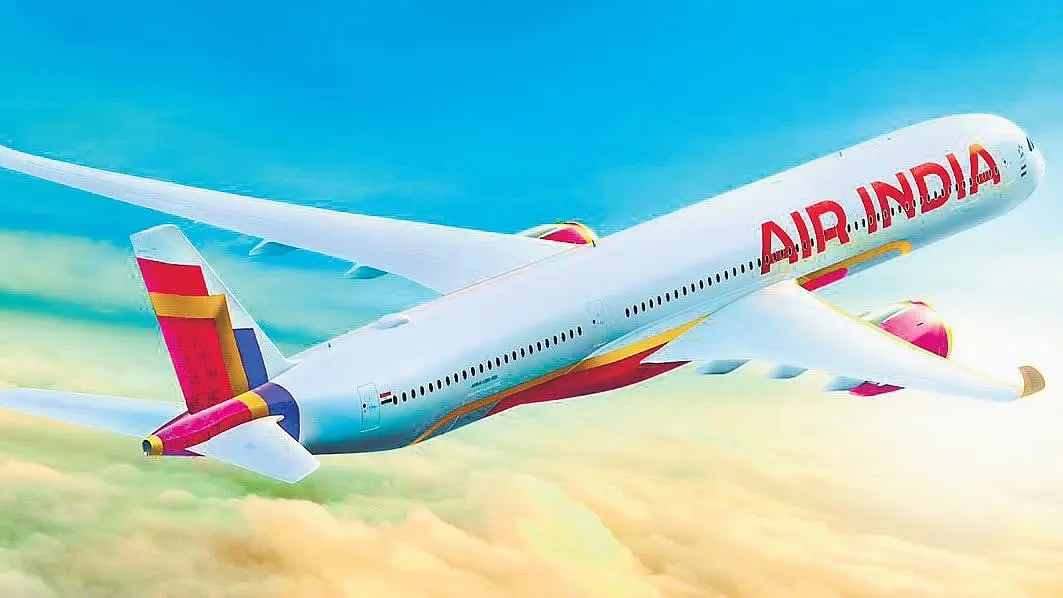
Air India Board Meets Amid Leadership Transition in Mumbai
Air India's board met in Mumbai to finalize a leadership transition as Tewolde Gebremariam takes over as CEO and MD to lead the airline's turnaround.
Boeing Finalizes 150 737 MAX Order for Turkish Airlines
Boeing is set to finalize a 150-aircraft order for Turkish Airlines, resolving a year-long dispute over engine maintenance terms for the 737 MAX.
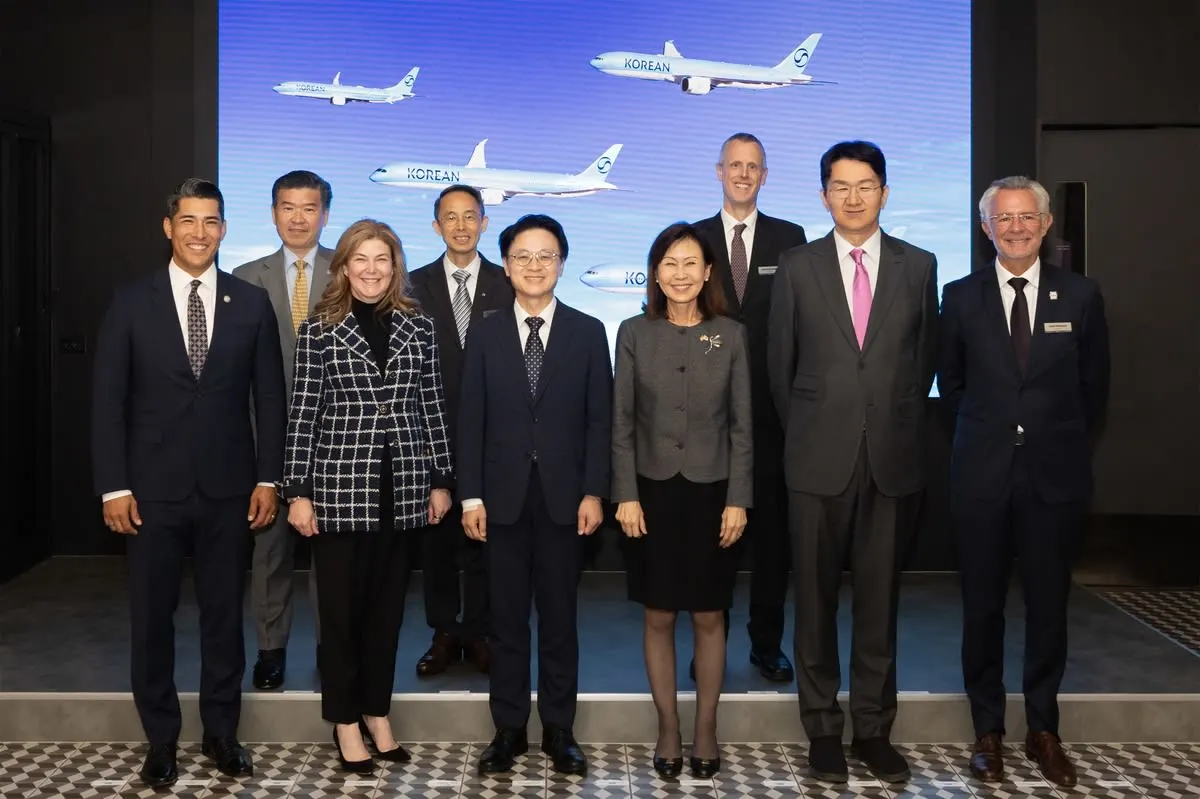
Korean Air Finalizes $44.8B Deal for 103 Boeing Jets
Korean Air finalized a $44.8 billion agreement for 103 Boeing aircraft and GE engines to modernize its fleet following the Asiana Airlines integration.
Airbus Raises India Growth Forecast to 9.3% for Aviation
Airbus projects India will need 3,480 new aircraft by 2045 as domestic air traffic growth outpaces China at a 9.3% annual rate.

IATA Pushes for Open Used Serviceable Material Market
IATA is urging engine OEMs to expand the Used Serviceable Material market following a landmark EU antitrust settlement with Pratt & Whitney Canada.

Virgin Atlantic A330 Retirement Boosts SAS Fleet Capacity
Virgin Atlantic is retiring its aging A330-300 fleet, with five airframes acquired by SAS to bridge near-term intercontinental capacity gaps.