Arkia Flight Triggers NATO Gripen Scramble Over Hungary

Co-Founder & CEOAviation News Editor delivering trusted coverage across the global aviation industry.
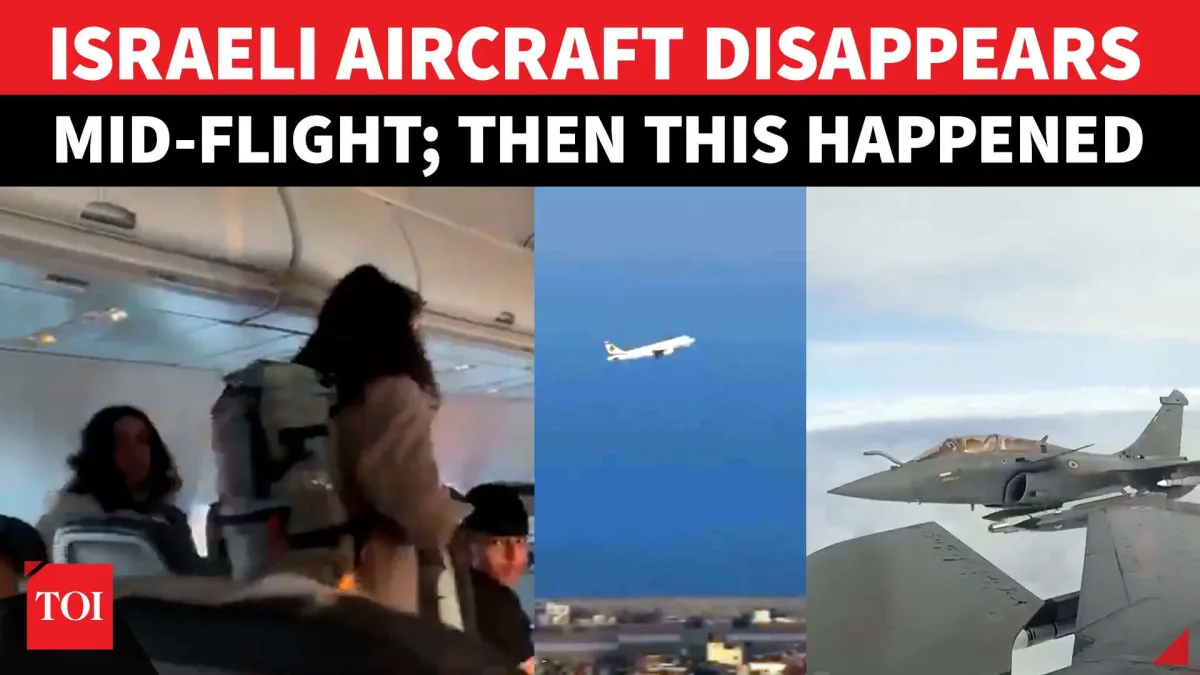
An Arkia Airbus A321neo triggered a NATO air policing response after a temporary communication loss during a flight from Tel Aviv to Prague.
Key Takeaways
- •Arkia A321neo lost radio contact over Hungary on June 14, 2026.
- •Hungarian JAS 39 Gripens performed a standard NATO air policing intercept.
- •Incident attributed to a temporary frequency fluctuation technical error.
- •Internal safety investigation by Arkia is expected to conclude by late 2026.
An Arkia passenger jet triggered a high-level NATO (North Atlantic Treaty Organization) security response on June 14, 2026, after experiencing a Prolonged Loss of Communication (PLOC) while transiting Hungarian airspace. The aircraft, an Airbus A321neo LR, was operating a scheduled service from Tel Aviv (TLV) to Prague (PRG) when it abruptly ceased radio contact with Air Traffic Control (ATC). This radio silence initiated an immediate activation of the Quick Reaction Alert (QRA) mission, a core component of NATO Air Policing protocols.
The Hungarian Interception
Within minutes of the loss of contact, the Hungarian Defence Forces scrambled two JAS 39 Gripen fighter jets to intercept the unresponsive airliner. The interceptors successfully located the aircraft and established visual contact, confirming the flight was maintaining its assigned path. Following the visual identification, the flight crew restored radio communication. The incident was attributed to a temporary technical malfunction, characterized by officials as a "frequency fluctuation," which effectively prevented the crew from hearing or transmitting on the designated ATC channels.
According to an official statement from Hungarian Prime Minister Péter Magyar, the nation's integrated air defense system "operated effectively" during the event. The Arkia flight was subsequently escorted through the remainder of Hungarian airspace before continuing safely toward Austria, exiting the sector at approximately 8:10 p.m. local time. The airline confirmed that at no point were the 220 passengers or the flight crew in physical danger.
Operational and Regulatory Context
This event underscores the rigorous enforcement of airspace security protocols across Europe. The International Civil Aviation Organization (ICAO) Annex 2, which governs the interception of civil aircraft, mandates that military units must intervene when an aircraft exhibits a PLOC. For lessors and operators of the Airbus A321neo family, such incidents highlight the critical nature of cockpit radio management systems. Arkia, which operates a highly concentrated fleet including two of these long-range narrowbody aircraft, is currently conducting an internal safety investigation into the incident.
Historical Precedents in European Airspace
This interception follows a established pattern of military responses to civilian radio failures. In March 2017, an Air India Flight 171 experienced an identical technical failure over Hungary, resulting in a similar scramble of Gripen fighters. That incident, like the current one, was attributed to a frequency-tuning error. Similarly, in February 2017, a Jet Airways Boeing 777 triggered a German Air Force interception during an ATC handover. These events demonstrate that European military authorities maintain a low threshold for scrambling QRA assets, with NATO recording over 500 such fighter scrambles in 2025 alone.
Technical Comparison: A321neo vs. 737 MAX 9
| Metric | Airbus A321neo LR | Boeing 737 MAX 9 |
|---|---|---|
| Maximum Range | 4,000 nm | 3,300 nm |
| Typical Seating | 220 seats | 193 seats |
Safety Analysis and Future Milestones
While communication losses are frequently dismissed as minor technical glitches, the Flight Safety Foundation has consistently argued that any failure to maintain radio contact presents significant mid-air collision risks, especially in the high-density European flight corridors. The current trajectory of European airspace security points toward even stricter, automated responses to PLOC events. Arkia is expected to conclude its internal safety investigation by late 2026, which will likely focus on cockpit radio procedures and potential hardware upgrades to prevent recurrence.
Why This Matters for Airspace Security
This incident highlights the seamless integration of NATO's air defense network, which relies on the rapid response capabilities of member states like Hungary. For the broader aviation industry, the event serves as a reminder that civil aviation in Europe operates under a strict security umbrella where even transient technical issues can trigger a military response. The successful resolution of the Arkia flight underscores the importance of the ICAO-mandated visual interception protocols in maintaining safety during periods of radio silence.
Frequently Asked Questions
- What caused the Arkia flight to lose communication over Hungary?
- The communication loss was attributed to a temporary technical malfunction described as a frequency fluctuation, which prevented the crew from hearing or transmitting on designated air traffic control channels.
- Why did NATO scramble fighter jets for this flight?
- NATO scrambled two Hungarian JAS 39 Gripen fighters as part of its standard air policing protocols, which mandate an immediate military response when a civilian aircraft experiences a prolonged loss of communication in member airspace.
Get breaking commercial aviation news and expert airline analysis at omniflights.com. Track policy changes, airspace rules, and global aviation governance in the Regulatory category at omniflights.com/regulatory.
Written by Hardik Vishwakarma
Co-Founder & Aviation News Editor leading initiatives that improve trust and visibility across the global aviation industry. Covers airlines, airports, safety, and emerging technology.
Visit ProfileYou Might Also Like
Discover more aviation news based on similar topics
Ryanair Flight RK514 Diverts to Birmingham After Emergency
Ryanair flight RK514 diverted to Birmingham Airport on September 13, 2026, following a medical emergency involving a passenger.

Amazon Suspends 21 Air After Fatal Miami 767 Runway Overrun
Amazon has suspended operations with 21 Air following a fatal Boeing 767 runway overrun at Miami International Airport that resulted in five deaths.
FAA Proposes A220 Fuel Line Inspections for US Operators
The FAA issued a proposed directive requiring inspection of motive-flow fuel lines on 13 US-registered Airbus A220s to prevent potential leaks.
NATS Denies Military Jet Role in UK ATC Outage
The UK Ministry of Defence denied its aircraft caused a NATS outage that led to over 2,000 flight cancellations and calls for CEO resignation.
21 Air Miami Crash: NTSB Investigates 767 Runway Overrun
A fatal 21 Air Boeing 767 crash at Miami International Airport has triggered an NTSB investigation amid scrutiny of Amazon Air's contract oversight.

Amazon Cargo Plane Crash: 5 Remembered After MIA Excursion
Five cleaning crew members died after an Amazon-contracted Boeing 767 overran the runway at Miami International Airport at 158 knots.