Arkia Airbus Intercepted by Hungarian Gripens Over Airspace

Co-Founder & CEOAviation News Editor delivering trusted coverage across the global aviation industry.
An Arkia Airbus A321neo triggered a NATO air policing alert after losing communication over Hungary, resulting in a successful fighter jet intercept.
Key Takeaways
- •Arkia Airbus A321neo triggered a NATO air policing alert over Hungary.
- •Two Hungarian JAS 39 Gripen fighters were scrambled from Kecskemét Air Base.
- •Communication loss was attributed to a temporary frequency fluctuation.
- •The aircraft exited Hungarian airspace safely at 20:10 local time.
An Arkia Airlines flight operating from Tel Aviv (TLV) to Prague (PRG) triggered a rapid NATO (North Atlantic Treaty Organization) security response on June 12, 2026, after the aircraft experienced a sudden loss of radio contact with ATC (Air Traffic Control). The incident, which occurred while the Airbus A321neo was transiting Hungarian airspace, activated the alliance’s high-level air policing protocols designed to address potential security threats in European skies.
NATO Air Policing Response
Upon losing contact, the CAOC (Combined Air Operations Centre) mandated an immediate response to ensure the safety of the aircraft and the integrity of the airspace. Two Hungarian Air Force JAS (Jakt, Attack, Spaning) 39 Gripen fighter jets were scrambled from Kecskemét Air Base to intercept the unresponsive airliner. The fighters successfully established visual contact with the Airbus, confirming the aircraft was following its flight plan. Following the visual identification, radio communication between the flight crew and ground authorities was restored.
According to the official NATO Air Policing portal, these procedures are a standard defensive measure. The aircraft was safely escorted through Hungarian airspace before continuing toward Austria. It exited the region at exactly 20:10 local time. Hungarian Prime Minister Péter Magyar confirmed that the integrated air defense system functioned as intended throughout the event.
Technical Context and Safety Protocols
Initial assessments from the flight crew and aviation authorities indicate that the communication loss was likely caused by a temporary technical malfunction, specifically described as a “frequency fluctuation.” Arkia Airlines issued a statement confirming that the crew adhered to the approved flight path and that passenger safety was never compromised. The airline is now conducting an internal safety review to determine the root cause of the radio failure, with findings expected to be reported to civil aviation authorities by late 2026.
Historical Precedents in Airspace Security
Modern airspace protocols, heavily influenced by post-9/11 security standards, treat any prolonged loss of communication as a potential emergency. This incident follows a established pattern of similar responses across Europe. In February 2024, SAS Flight SK4609 was escorted to Manchester by UK Royal Air Force Typhoon jets following a similar radio failure. While these interventions are now routine, they remain anchored in the lessons learned from the 2005 Helios Airways Flight 522 tragedy, where military aircraft were unable to intervene before a fatal crash caused by crew incapacitation.
Why This Matters for Regional Operations
For commercial carriers, these incidents represent the intersection of civil aviation reliability and national security mandates. The deployment of JAS 39 Gripen assets highlights the operational cost and complexity associated with minor technical failures in high-traffic corridors. For the 101st Air Brigade of the Hungarian Air Force, the successful execution of the Quick Reaction Alert (QRA) mission reinforces the readiness of the regional air defense network. As European airspace becomes increasingly congested, carriers are under pressure to ensure that communication equipment remains resilient against minor fluctuations, minimizing the need for expensive and disruptive military interventions.
Frequently Asked Questions
- Why did NATO fighter jets intercept an Arkia Airlines flight?
- The intercept was triggered after the Arkia Airbus A321neo lost radio communication with air traffic control while flying through Hungarian airspace, which mandated a standard NATO air policing response to ensure flight safety.
- What caused the Arkia flight's communication loss?
- Initial assessments suggest the loss of contact was caused by a temporary technical malfunction described as a frequency fluctuation.
Access up-to-date commercial aviation news and airline industry developments via omniflights.com. Follow aviation sustainability efforts, emissions research, and green initiatives in the Environmental section at omniflights.com/environmental.
Written by Hardik Vishwakarma
Co-Founder & Aviation News Editor leading initiatives that improve trust and visibility across the global aviation industry. Covers airlines, airports, safety, and emerging technology.
Visit ProfileYou Might Also Like
Discover more aviation news based on similar topics
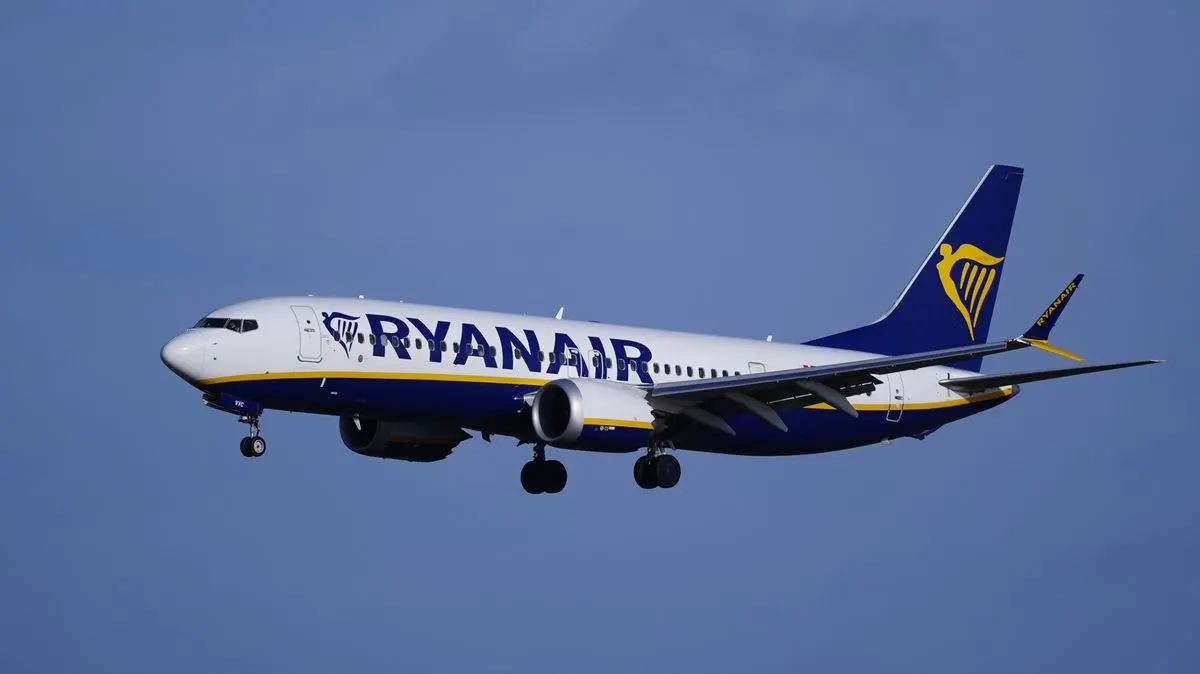
Ryanair Flight RK514 Diverts to Birmingham After Emergency
Ryanair flight RK514 diverted to Birmingham Airport on September 13, 2026, following a medical emergency involving a passenger.

Amazon Suspends 21 Air After Fatal Miami 767 Runway Overrun
Amazon has suspended operations with 21 Air following a fatal Boeing 767 runway overrun at Miami International Airport that resulted in five deaths.
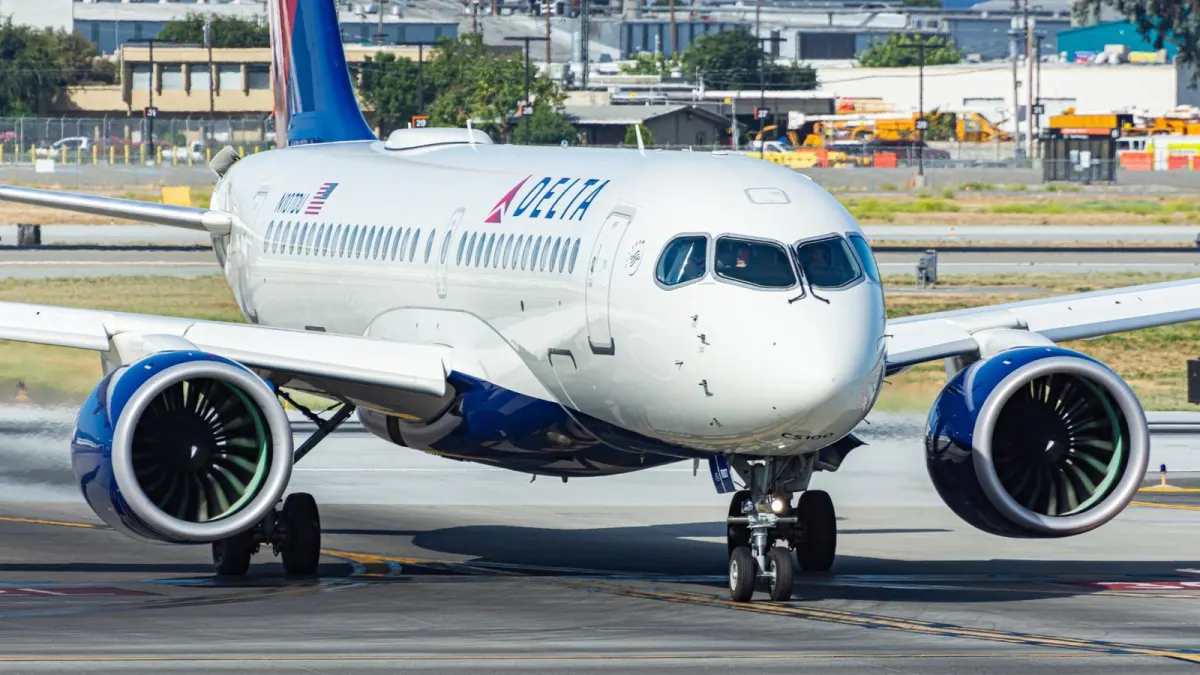
FAA Proposes A220 Fuel Line Inspections for US Operators
The FAA issued a proposed directive requiring inspection of motive-flow fuel lines on 13 US-registered Airbus A220s to prevent potential leaks.
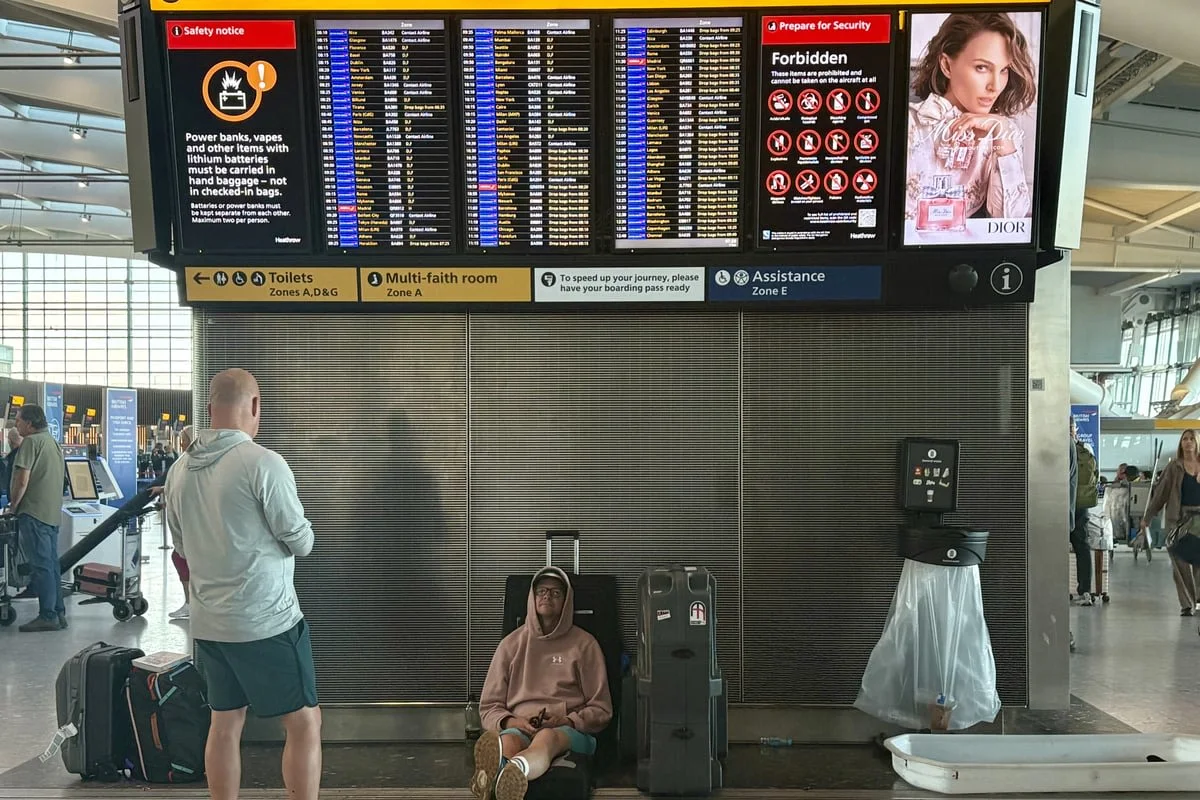
NATS Denies Military Jet Role in UK ATC Outage
The UK Ministry of Defence denied its aircraft caused a NATS outage that led to over 2,000 flight cancellations and calls for CEO resignation.
21 Air Miami Crash: NTSB Investigates 767 Runway Overrun
A fatal 21 Air Boeing 767 crash at Miami International Airport has triggered an NTSB investigation amid scrutiny of Amazon Air's contract oversight.

Amazon Cargo Plane Crash: 5 Remembered After MIA Excursion
Five cleaning crew members died after an Amazon-contracted Boeing 767 overran the runway at Miami International Airport at 158 knots.