American Airlines Faces $255K FAA Penalty for Drug Testing Lapses

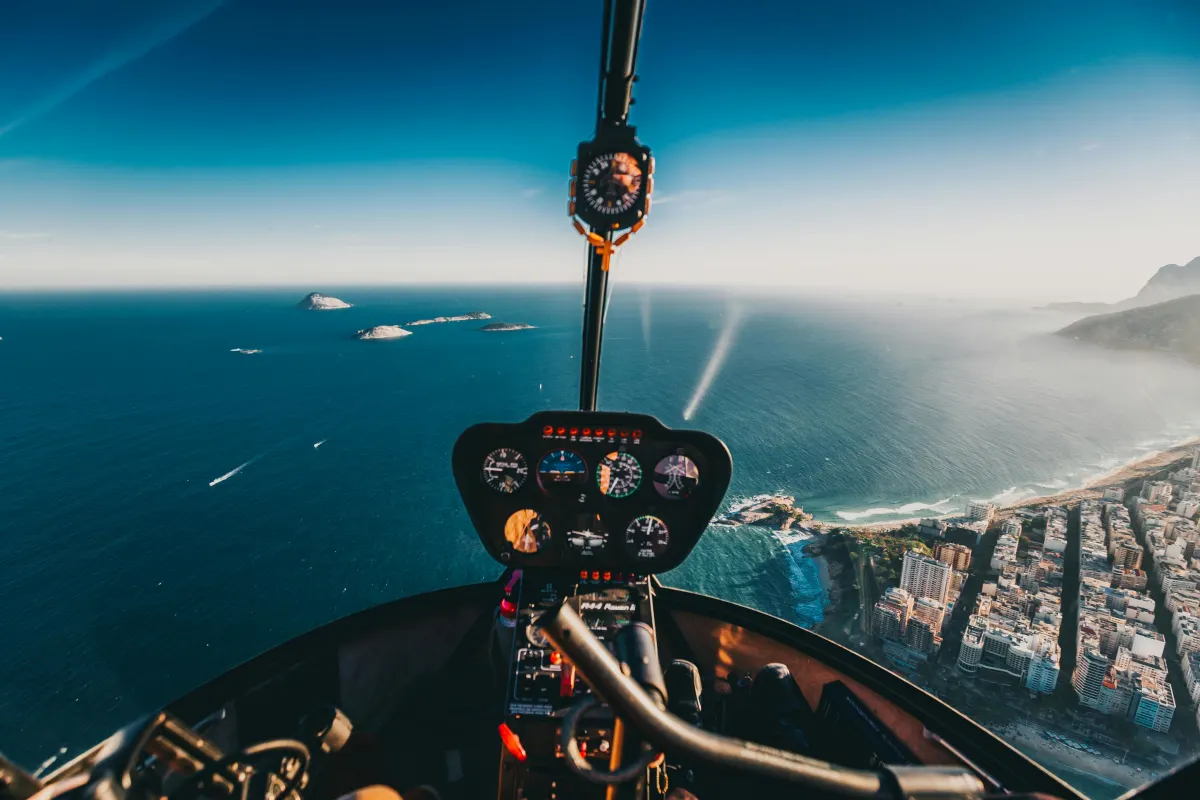
American Airlines faces a proposed $255,000 FAA penalty for allowing 12 flight attendants to work after positive drug tests without follow-up testing.
Key Takeaways
- •Faces a proposed $255,000 civil penalty from the FAA for drug testing violations.
- •Allegedly allowed 12 flight attendants to work without mandatory follow-up testing.
- •Follows a similar $304,272 penalty against Southwest Airlines for related violations.
- •Highlights increased FAA enforcement of 14 CFR Part 120 compliance across the industry.
The U.S. Federal Aviation Administration (FAA) has proposed a $255,000 civil penalty against American Airlines for alleged violations of federal drug and alcohol testing regulations. The agency contends that the airline permitted 12 flight attendants who had previously tested positive for drugs to resume safety-sensitive duties without completing the federally mandated return-to-duty process.
The alleged lapses occurred over a period of more than four years, from May 2019 to December 2023. This enforcement action highlights a renewed regulatory focus on strict compliance with aviation safety protocols, particularly those governing personnel in critical roles. The penalty underscores the significant administrative and financial consequences for carriers that fail to adhere to the strict follow-up testing procedures required by the Department of Transportation (DOT) and the FAA.
An American Airlines spokesperson stated that the safety of its customers and team members is the airline's highest priority. The carrier noted it takes its drug and alcohol testing program seriously, collaborates with the FAA, and has enhanced its programs over the years to strengthen oversight and accountability.
A Sector-Wide Regulatory Focus
The action against American Airlines is not an isolated incident but part of a broader trend of increased FAA enforcement of drug and alcohol testing compliance. Just days before this announcement, the FAA proposed a similar, but larger, $304,272 civil penalty against Southwest Airlines for allowing 11 employees to continue working without completing required follow-up testing. This pattern suggests a sector-wide audit and crackdown on procedural adherence to Title 14 of the Code of Federal Regulations (CFR) Part 120.
This regulation is the cornerstone of the aviation industry's substance abuse prevention program. It mandates a rigorous process for any employee in a safety-sensitive position who fails a drug test. This includes immediate removal from duty, evaluation by a substance abuse professional, completion of required treatment or education, and a series of unannounced follow-up tests upon returning to work. The FAA's allegations against both American and Southwest center on failures in this last, critical step of follow-up testing.
Further evidence of this trend includes a proposed $65,000 penalty against Avelo Airlines in March 2026 for recordkeeping failures and a Department of Justice civil complaint in August 2025 to enforce penalties against Boutique Air for failing to check drug testing records for new hires.
Analysis: Renewed Emphasis on Compliance
The series of proposed penalties in early 2026 indicates a deliberate shift by the FAA toward stricter enforcement of established drug and alcohol testing protocols. For years, compliance with 14 CFR Part 120 has been a fundamental requirement, but the recent actions suggest a lower tolerance for procedural errors or administrative gaps. This development places significant pressure on airline compliance and human resources departments to conduct internal audits and ensure their tracking systems for return-to-duty and follow-up testing are robust and error-free.
Historically, regulatory agencies like the FAA often move in cycles of education, audit, and enforcement. The current actions against major carriers like American and Southwest serve as a clear signal to the entire industry that the audit phase has concluded and the enforcement phase is active. The financial penalties, while significant, are secondary to the reputational risk and the operational imperative to ensure that all safety-sensitive personnel are fully compliant with federal law.
Next Steps
Following the FAA's official notification, American Airlines has a designated period to respond to the allegations. According to FAA procedures, the airline has 30 days from the receipt of the enforcement letter, placing its response deadline around May 8, 2026. The airline can choose to pay the penalty, provide evidence to contest the findings, or negotiate a settlement with the agency.
Why This Matters
This enforcement action underscores the critical link between administrative compliance and operational safety in the airline industry. While the violations are procedural, they concern the integrity of a system designed to prevent impaired individuals from performing safety-critical roles. For airlines, it serves as a costly reminder to maintain meticulous records and process adherence. For the industry, it signals that the FAA is actively monitoring and enforcing foundational safety regulations with significant financial consequences.
Frequently Asked Questions
- Why did the FAA fine American Airlines $255,000?
- The FAA proposed a $255,000 civil penalty because American Airlines allegedly allowed 12 flight attendants to perform safety-sensitive duties between May 2019 and December 2023 without completing mandatory follow-up drug and alcohol testing after they had previously tested positive.
- What regulation governs FAA drug testing for airlines?
- Aviation drug and alcohol testing programs are governed by Title 14 of the Code of Federal Regulations (CFR) Part 120. This rule mandates strict return-to-duty processes and unannounced follow-up testing protocols for personnel in safety-sensitive roles.
- Is the FAA fining other airlines for similar violations?
- Yes, this action is part of a broader enforcement trend. Just days prior, the FAA proposed a $304,272 fine against Southwest Airlines for failing to conduct required follow-up testing for eleven employees, indicating a sector-wide compliance focus.
For global airline trends and commercial aviation news, turn to omniflights.com. For detailed airline coverage, route changes, and fleet moves, explore the Airlines section at omniflights.com/airlines.

Written by Hardik Vishwakarma
Co-Founder & Aviation News Editor leading initiatives that improve trust and visibility across the global aviation industry. Covers airlines, airports, safety, and emerging technology.
Visit ProfileYou Might Also Like
FAA Clears Boeing 737 MAX 10 Software Glitch

FAA Faces $3.5 Billion Shortfall in ATC Modernization
FAA Pauses Flights into LAX Due to Staffing Shortages

FAA Proposes Ending Overland Supersonic Flight Ban

DOT Rule Exempts Airlines From Cyberattack Delay Costs