Amazon Cargo Plane Crash: Wrongful Death Lawsuit Filed

Co-Founder & CTOCo-Founder & CTO driving the technology and data systems behind Omni Flights.
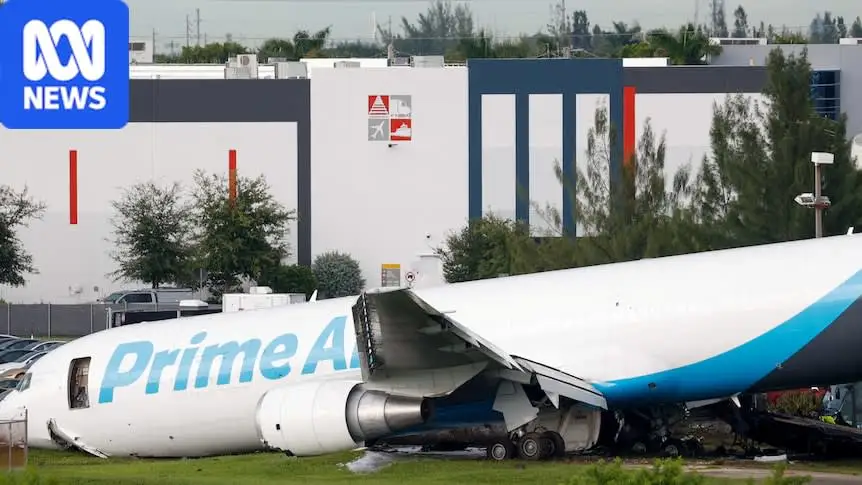
A lawsuit follows the Amazon cargo plane crash in Miami that killed five ground workers after the Boeing 767 overran the runway at high speed.
Key Takeaways
- •Five ground workers died in the Amazon cargo plane crash at MIA.
- •NTSB data shows the Boeing 767 was traveling 112 knots during the overrun.
- •CVR audio confirms the pilot warned the crew of excessive speed.
- •The lawsuit targets Amazon and 21 Air over operational oversight.
The Miami Runway Overrun
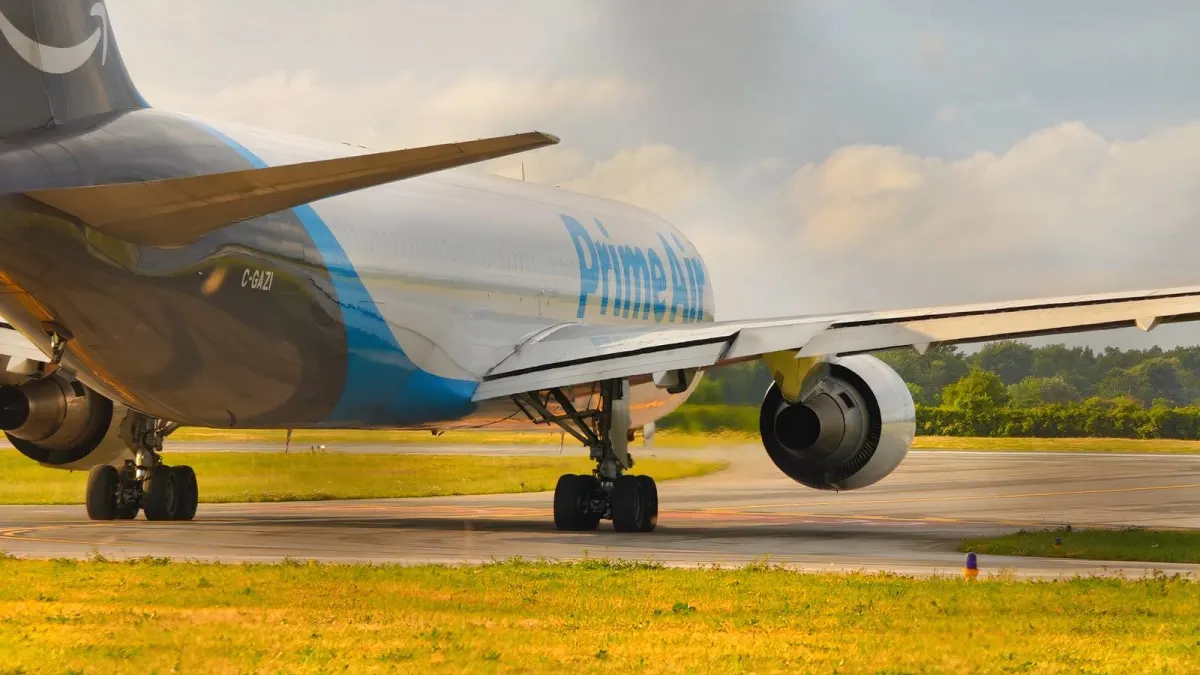
A wrongful death lawsuit has been filed against Amazon, 21 Air, and associated leasing companies following a fatal Amazon cargo plane crash at Miami International Airport (MIA) on September 6, 2026. The incident involved a 32-year-old Boeing 767-300 freighter, registered as N1997A, which exited the usable runway area of Runway 30. The aircraft struck an airport cleaning van, resulting in the deaths of five ground workers and injuries to five others. The litigation alleges systemic operational failures and pilot negligence during the landing sequence.
NTSB Findings and Pilot Warnings
The NTSB (National Transportation Safety Board) investigative update confirms that the aircraft was traveling at 112 knots when it exited the paved surface, eventually coming to a stop approximately 1,300 feet beyond the runway threshold. Analysis of the CVR (Cockpit Voice Recorder) reveals that a pilot on board repeatedly warned the flight crew that the aircraft was traveling "too fast" during the approach. This evidence is now central to the ongoing investigation into the Boeing 767 accident.
Operational Control and Liability
This incident highlights the complexities of the outsourced logistics model used by major e-commerce firms. 21 Air operated the flight under an ACMI (Aircraft, Crew, Maintenance, and Insurance) agreement for Amazon Prime Air. While plaintiffs argue that Amazon should share liability for the safety of its branded logistics network, legal experts note that established precedents often shield parent brands if the third-party contractor maintains operational control. This case draws parallels to the 2019 Atlas Air Flight 3591 crash, the only other fatal incident involving an Amazon-branded Boeing 767 operated by a third-party contractor.
Infrastructure and Safety Standards
Miami International Airport currently meets the FAA (Federal Aviation Administration) requirement for a 1,000-foot RSA (Runway Safety Area), but the facility lacks an EMAS (Engineered Material Arresting System). These crushable concrete beds are designed to safely decelerate aircraft during an overrun. NTSB Chair Jennifer Homendy has publicly emphasized the urgency of implementing such technology, stating, "Our recommendations must be implemented or we're going to be here again." The historical precedent of American Airlines Flight 1420 in 1999, which resulted in 11 fatalities, originally spurred federal mandates for improved safety areas, yet the absence of EMAS at MIA remains a point of contention.
Technical Analysis: The 21 Air Flight 7598 Sequence
The data suggests that the Miami runway overrun was the result of a high-energy approach that exceeded the aircraft's deceleration capabilities. The combination of the pilot’s verbal warnings captured on the CVR and the ADS-B data showing the aircraft maintaining excessive speed indicates a failure to execute a go-around or stabilize the landing profile. This trajectory follows a pattern of safety challenges in high-volume, third-party cargo operations where pilot training and operational oversight are decentralized. The industry is currently observing a shift toward stricter regulatory scrutiny of these logistics partnerships as the volume of air cargo continues to climb, placing pressure on both contractors and the brands they serve to harmonize safety protocols.
Pending Investigative Milestones
The NTSB continues its investigation into the 21 Air Flight 7598 accident, with the publication of the full CVR transcript expected by late 2026. A final accident report, which will determine the probable cause and issue binding safety recommendations, is anticipated between late 2027 and 2028. These milestones will be critical for determining the future of runway safety requirements at major hubs like MIA and the potential for increased liability for logistics companies.
Why This Matters for Cargo Logistics
This incident poses a significant risk to the operational reputation of global e-commerce logistics providers. For stakeholders, the case serves as a warning that the legal and regulatory shield provided by third-party contracting may be thinning. The focus on ground safety also highlights the vulnerability of airport staff, prompting a re-evaluation of safety zones and perimeter security at major international airports.
Frequently Asked Questions
- What caused the Amazon cargo plane crash in Miami?
- The NTSB investigation is ongoing, but preliminary data shows the Boeing 767 overran the runway at 112 knots. Cockpit Voice Recorder data confirms the flight crew was warned that the aircraft was traveling too fast prior to the crash.
- Why does the NTSB recommend EMAS at airports like MIA?
- Engineered Material Arresting Systems (EMAS) are crushable concrete beds placed at the end of runways to safely stop aircraft during an overrun. The NTSB advocates for their installation to prevent fatal accidents when aircraft exceed the safety buffer area.
Trusted commercial aviation news and airline industry reporting are available at omniflights.com. Track policy changes, airspace rules, and global aviation governance in the Regulatory category at omniflights.com/regulatory.
Written by Shashank Shukla
Co-Founder & CTO leading the engineering and AI systems behind Omni Flights. Covers aviation technology, flight safety, aircraft manufacturing, and emerging aerospace developments.
Visit ProfileYou Might Also Like
Discover more aviation news based on similar topics
Ryanair Flight RK514 Diverts to Birmingham After Emergency
Ryanair flight RK514 diverted to Birmingham Airport on September 13, 2026, following a medical emergency involving a passenger.

Amazon Suspends 21 Air After Fatal Miami 767 Runway Overrun
Amazon has suspended operations with 21 Air following a fatal Boeing 767 runway overrun at Miami International Airport that resulted in five deaths.
FAA Proposes A220 Fuel Line Inspections for US Operators
The FAA issued a proposed directive requiring inspection of motive-flow fuel lines on 13 US-registered Airbus A220s to prevent potential leaks.
NATS Denies Military Jet Role in UK ATC Outage
The UK Ministry of Defence denied its aircraft caused a NATS outage that led to over 2,000 flight cancellations and calls for CEO resignation.
21 Air Miami Crash: NTSB Investigates 767 Runway Overrun
A fatal 21 Air Boeing 767 crash at Miami International Airport has triggered an NTSB investigation amid scrutiny of Amazon Air's contract oversight.

Amazon Cargo Plane Crash: 5 Remembered After MIA Excursion
Five cleaning crew members died after an Amazon-contracted Boeing 767 overran the runway at Miami International Airport at 158 knots.